
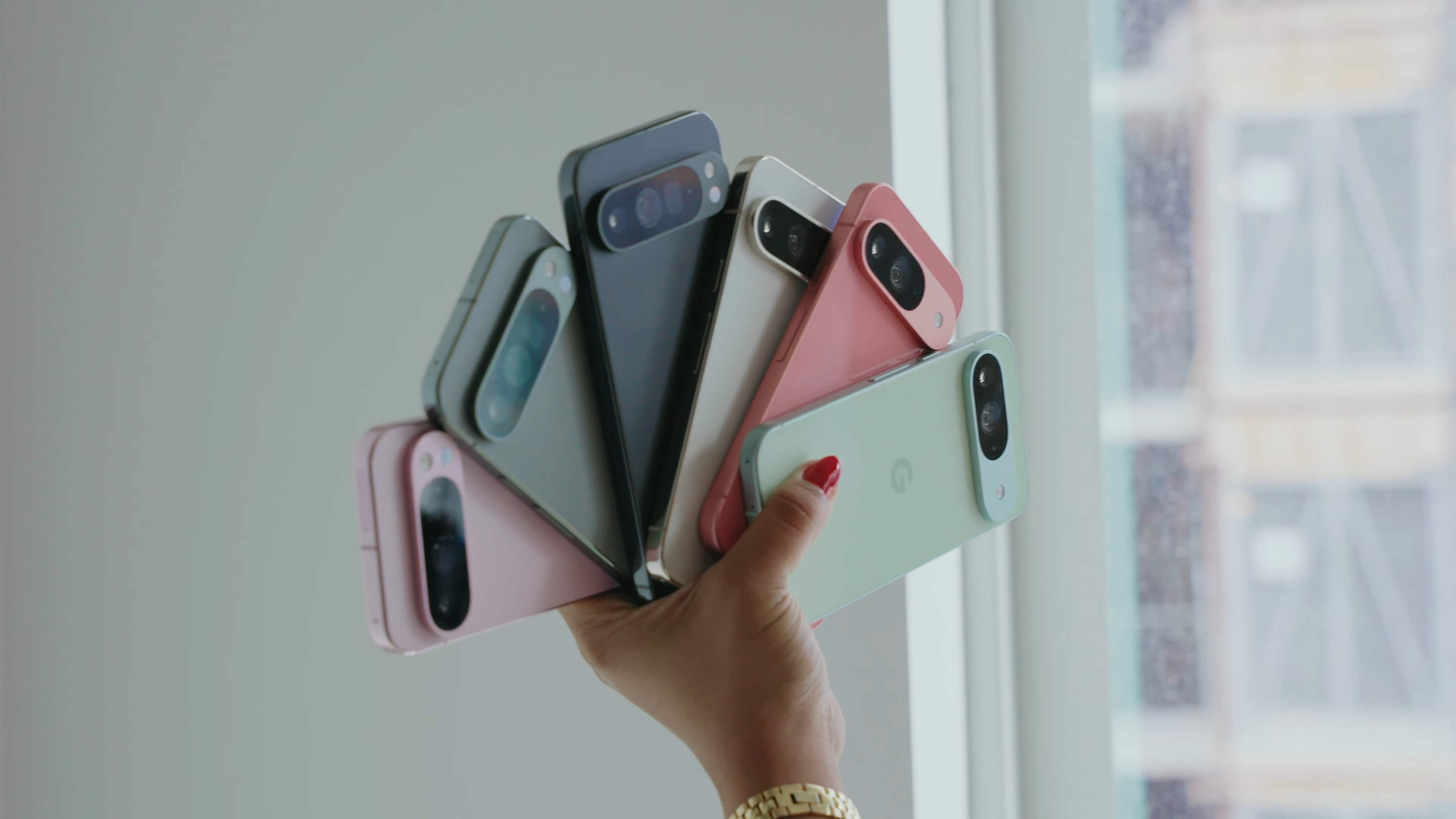
Every smartphone is impressive under showroom lighting. The screen is bright, storage is empty, the battery has completed almost no cycles and the demonstrator has carefully removed fingerprints. Reviewers then run benchmarks, photograph a potted plant and announce a winner. I am more interested in the same device after two Indian summers, a monsoon, several app updates and one argument with an authorised service centre.
Current launch lists, such as 91mobiles’ catalogue of recent Indian phones, show how rapidly new models replace one another. Manufacturer support promises can usually be checked on official product sites—for example, Google’s Indian phone store. Neither source can tell you exactly how your individual unit will age. They do, however, reveal the mismatch between a market organised around launches and ownership that lasts several years.
Battery health is the real processor upgrade
A fast chip feels wonderful for a week. A healthy battery feels wonderful every day. Most mid-range processors have been adequate for messaging, maps, payments, video and ordinary photography for years. What turns a capable phone into an irritation is degradation: the device that once lasted until bedtime begins searching for a charger at six, then heats while charging and throttles during navigation.
Brands should publish battery-replacement prices prominently beside launch prices. They should state how long parts will remain available and whether a replacement preserves water resistance. Instead, consumers must call service centres, compare contradictory quotations and hope the required part is in stock. A phone advertised with years of software support is not genuinely supported if its most perishable component becomes inconvenient or uneconomical to replace.
Indian heat matters. Fast charging is useful, but faster is not always better if the device repeatedly becomes hot. I would trade another marketing leap in wattage for transparent battery-health controls, an easy option to cap charging at eighty per cent and thermal management that works during navigation in May. The best charging feature is the one that leaves the battery useful in year three.
Software support is more than version numbers
Long update promises have improved the market. Yet counting Android versions is a crude measure of ownership. An update that arrives late, introduces battery drain or adds unwanted apps is not pure benefit. Some brands fill the notification shade with recommendations, duplicate system tools and promotional messages. The clutter is especially insulting on hardware the customer has paid for outright.
I want a clean initial setup with every promotional service off by default. Let users choose a theme store or app recommendation feed; do not disguise advertising as system maintenance. Security patches should arrive predictably, and brands should maintain public change logs written in language normal people can understand. “Optimised system performance” is not a change log. It is a shrug.
Update longevity must also include repair compatibility. Replacing a display or battery should not disable fingerprint readers, cameras or security features unless a technician runs proprietary software unavailable outside one network. Genuine concerns about component integrity exist, but companies can design calibration tools that protect security without turning every repair into a monopoly.
Service coverage beats one extra camera
Indian buyers do not all live near flagship stores in Bengaluru or Delhi. A brand’s ownership quality depends on tier-two and tier-three service coverage, turnaround time and access to parts. Pickup-and-drop service sounds elegant until a user must surrender the phone containing banking credentials, work authentication and family communication for ten days.
Before buying, I now search the nearest authorised centre, call it and ask the price of a display and battery. The response tells me more than a benchmark graph. If the number is unreachable or the employee cannot quote common parts, the brand has already reviewed itself. Buyers should also examine whether repairs are performed locally or shipped to another city.
Companies love announcing local manufacturing. I would like them to localise the less glamorous ownership chain too: batteries, screens, ports, trained technicians and recycling. Assembly creates value, but durable service turns a device into a product rather than a disposable import with an Indian invoice.
Camera comparisons have become theatre
Phone cameras are remarkably good. They are also reviewed through conditions chosen to produce visible differences: dark restaurants, extreme zooms and cropped brick walls. Most owners photograph people, documents, pets, food and holidays. Consistent skin tones, motion capture and quick access matter more than whether a distant sign remains legible at thirty times magnification.
Manufacturers add weak auxiliary cameras because a triple-lens island looks expensive. I would prefer one good main camera and a competent ultrawide. A useless macro sensor is not versatility; it is decoration connected to a specification table. The same restraint should apply to AI features. If a tool requires an account, sends data to the cloud or becomes paid after a trial, say so clearly.
Editing people out of backgrounds is occasionally helpful. Reliable call quality is helpful every day. So are a strong vibration motor, a visible screen outdoors, accurate proximity sensing and speakers that remain clear at medium volume. These details rarely headline launches because they are harder to summarise than megapixels. They dominate ownership.
Buy the boring configuration
Most buyers should avoid the top storage tier unless their present usage proves they need it. They should ignore tiny processor differences within the same price band and examine cases, chargers and repair costs instead. A mainstream model often receives better accessory and parts support than an exotic “Pro Plus Ultra” variant. Popularity can be an ownership advantage.
I also distrust launch discounts that depend on a specific credit card, exchange value and temporary coupon. The meaningful price is what an ordinary buyer can pay without financial choreography. Reviews should state that price first and separate it from conditional offers. Otherwise, a phone advertised at one figure becomes considerably dearer at checkout.
The ideal Indian phone is not the device with the longest specification sheet. It is one that remains cool, receives quiet security updates, holds enough charge, survives ordinary accidents and can be repaired within a reasonable journey. That sounds unexciting because ownership is mostly unexciting. Technology journalism should respect that reality.
I still enjoy new hardware. A smoother display or better camera can improve daily life. But the mature question is no longer whether a phone feels fast on Friday. It is whether, two Diwalis later, the owner still trusts it for a railway ticket, a UPI payment and a photograph that matters. Brands capable of answering that question deserve loyalty. The rest are selling launch events with batteries attached.