I keep meeting people who speak of small libraries in the past tense, as if the internet naturally made them obsolete. Then I visit one and find students revising for exams, older readers sharing newspapers, children arguing over comics and a volunteer repairing a book with the solemnity of surgery. Obsolete institutions rarely work this hard.
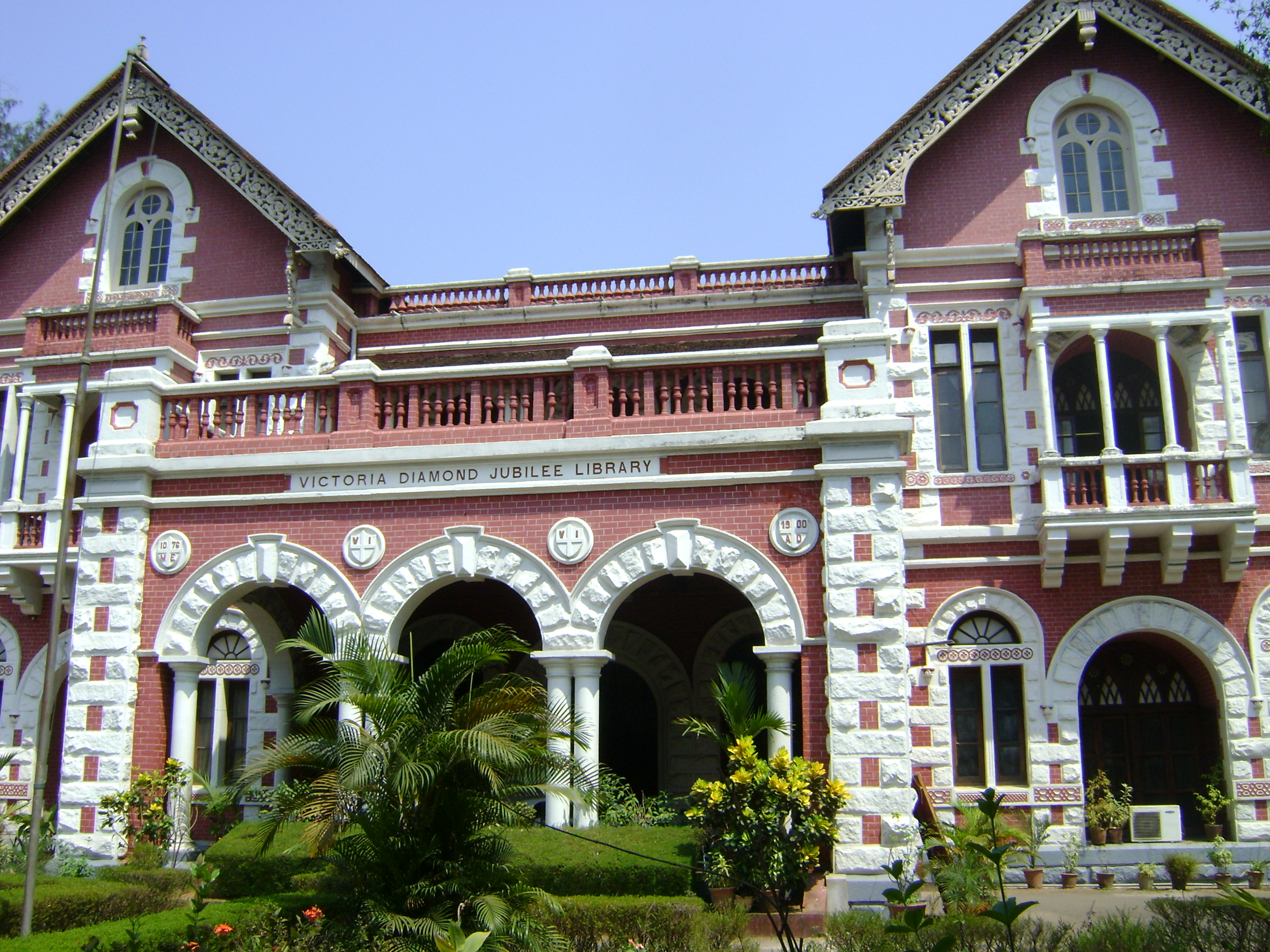
Kerala offers a particularly rich library culture. The Kerala State Central Library represents the formal public system, while the Kerala State Library Council documents the wider network. The human-interest story is not that people still read printed books despite modernity. It is that communities keep maintaining places where knowledge is shared without requiring a purchase.
A village or neighbourhood library may look modest beside a smartphone containing millions of texts. But availability is not access. The internet provides abundance alongside distraction, misinformation, paywalls and surveillance. A library gives form to attention.
The room is part of the service
For a student in a crowded home, a chair, fan and quiet table can matter as much as the book. For an older person, the newspaper room may provide routine and company. For a child, borrowing creates independence: a book selected without a parent’s algorithm or a company’s recommendation.
This social role became clearer whenever public spaces disappeared. India has malls, cafés and religious institutions, but too few indoor places where a person can remain without being expected to spend. Libraries are among the last respectable shelters from commerce.
They can also be democratic in the literal, untidy sense. Readers encounter opinions they dislike. Local meetings bring together people who would otherwise inhabit separate media bubbles. A library cannot guarantee civility, but it creates conditions for shared attention.
Digitisation should widen the door
I do not worship paper. Libraries should offer digital catalogues, e-books, accessible formats, internet terminals and training for people navigating government services. A librarian helping someone complete an online form is doing information work as surely as the librarian recommending a novel.
Digitisation fails when it becomes an excuse to stop buying books or maintaining buildings. A scanner cannot replace a reading room. Nor should digital collections depend on fragile proprietary platforms that disappear when contracts end. Public institutions need durable formats and clear preservation plans.
Language matters. Small libraries often protect regional writing that commercial platforms bury beneath bestsellers. Local history, little magazines and community archives may exist nowhere else. When such a library closes, a place loses part of its memory, not merely a lending counter.
What survival actually requires
Volunteer energy is beautiful and insufficient. Libraries need predictable public funding, trained staff, updated collections and buildings that are accessible to disabled readers. They should publish opening hours reliably and stay open when working people and students can visit.
Communities can help choose books and programmes, but participation should not permit ideological capture. A public library must contain disagreement. Attempts to remove books because they offend a party, faith or fashionable sensibility misunderstand the institution’s purpose.
Schools should partner with nearby libraries rather than treating reading as an annual costume event. Authors and publishers can donate intelligently—not unload unsold debris. Local businesses can fund furniture or connectivity without turning every wall into advertising.
What moves me is the ordinary persistence. Someone unlocks the door, dusts the shelves, records a return and helps a reader locate a book. None of this trends. It matters precisely because it is repeated.
A library is sometimes described as a temple of knowledge, which is too grand for my taste. It is better than that: a workshop, waiting room, refuge and argument with shelves. Its survival should not be treated as charming news from a slower India. It is evidence that public life can still be built around curiosity rather than extraction.