Indian sport loves an inauguration almost as much as it loves a medal. Fresh turf, bright floodlights, dignitaries in scarves, children waving flags: for a week, every camera angle suggests that an ecosystem has materialised fully formed. Then the tournament leaves and the harder questions begin. Who trains there on an ordinary Tuesday? Who pays to replace worn equipment? Can local girls enter without knowing an official?
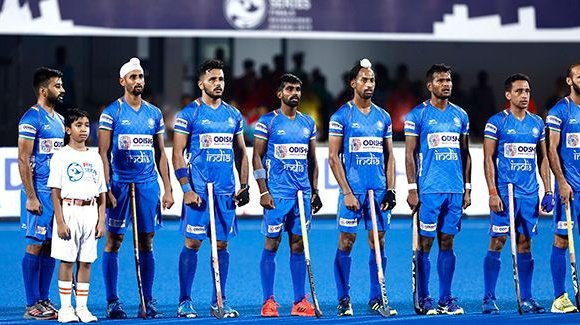
Bhopal’s Nathu Barkheda venue receiving international certification before the Women’s Asian Champions Trophy is genuinely encouraging. The report on its Category-1 status says it became only India’s second field with that certification. India then began its title defence by beating Malaysia, with the opening-match account noting a substantial local crowd. I am pleased by both facts. I am not yet persuaded by the story administrators want them to tell.
A venue is not a programme
Infrastructure is necessary. Elite hockey cannot be improvised on poor turf, and hosting international teams can give a city’s young players a tangible sense of possibility. But buildings are the nouns of sports policy; programmes are the verbs. Without coaches, competition, physiotherapy, transport and regular access, a certified pitch is expensive scenery.
The government of Madhya Pradesh should publish a post-tournament use plan. How many hours will be reserved for women and girls? Which academies and schools will play there? What are the fees? Who receives priority when elite camps clash with community use? How much has been budgeted annually for maintenance? These are not petty questions asked to dampen celebration. They determine whether public money produces athletes or photographs.
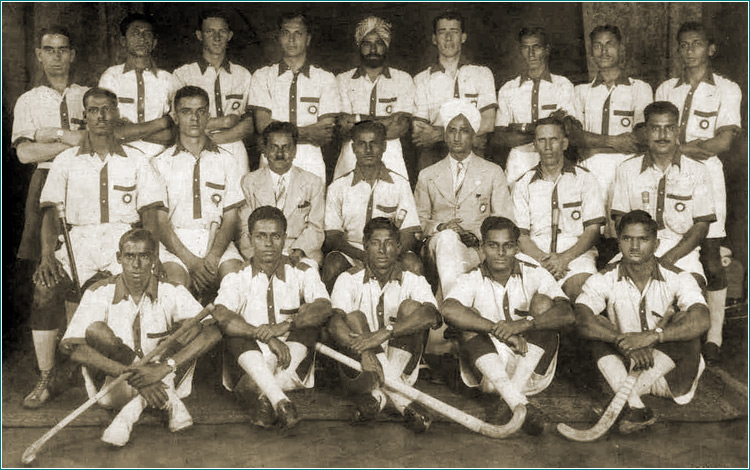
Bhopal has a genuine hockey tradition, which makes it better suited than a randomly selected showcase city. Tradition, however, can become a slogan used to avoid present work. A city does not remain a hockey centre by remembering past players. It remains one by ensuring that the next player has a safe bus home after evening practice.
The women deserve an event designed around them
Women’s hockey is too often promoted through borrowed language: the team is inspirational, gritty, brave and deserving. All true, and all inadequate. Elite athletes need professional conditions, not permanent gratitude. The Asian Champions Trophy should be sold as high-level competition with tactical stakes, not as a charitable opportunity to support women.
That means competent ticketing, useful match times, strong broadcast placement and analysis that treats viewers as intelligent. Tell us how India presses, where it struggles in transition and which young player is competing for a position. Stop reducing every athlete’s biography to adversity overcome. A difficult journey may explain how she arrived; it should not swallow the hockey she plays.
The large opening crowd is important because audience habits are built through repetition. One tournament will not secure them. Local leagues, national camps, exhibition matches and school finals should return to the venue. If Bhopal sees elite women’s hockey only when an Asian event brings flags and television, the relationship remains ceremonial.
Cricket’s shadow is an allocation choice
People say non-cricket sports cannot receive cricket’s attention because the audience is smaller. This is presented as a law of nature when it is partly the result of decades of distribution. Cricket receives prime slots, endless preview programming, familiar commentators and daily narrative. Hockey frequently appears at the moment of a major competition and is then asked to prove instant mass demand.
I am not blaming cricket for being successful. I am blaming sports institutions and broadcasters for using cricket’s success as an excuse for intellectual laziness. A broadcaster can build characters and rivalries without manufacturing melodrama. A federation can release reliable statistics, make players available and schedule consistently. Sponsors can support domestic competition rather than buying visibility only when India reaches a semifinal.
The women’s team has supplied compelling performances. What it lacks is continuity of public storytelling. Fans should know what happens between tournaments: selection changes, league performances, injury returns and tactical experiments. Without that bridge, every event begins with the same introductory package, as though the team disappeared after the previous medal ceremony.
Success must travel outward
A world-class pitch in Bhopal should improve hockey beyond Bhopal. State associations could rotate camps through the venue and invite coaches from smaller centres. Certification knowledge—drainage, turf care, lighting and safety—should be documented for other states. Equipment procurement should be transparent so that cities do not repeatedly pay consultants to rediscover the same specifications.
The venue can also become a centre for women coaches, umpires and sports-science staff. India’s infrastructure conversation focuses obsessively on athletes, but a sustainable sport requires skilled people around them. A young woman who does not become an international player should still see careers in coaching, officiating, analysis and administration. That broadens participation and reduces dependence on a narrow circle of former officials.
Access for spectators with disabilities, women travelling alone and families with young children should be assessed after the tournament. Public transport links matter. Safe last-mile mobility matters. Toilets matter. These details are not separate from sports development; they decide which citizens become repeat spectators.
There is a counterargument—and a warning
Officials may reasonably say that every ecosystem begins with an asset and that critics demand maturity on opening day. Fair enough. I do not expect one stadium to repair Indian sport. I also recognise that international certification imposes standards and that hosting can accelerate local investment. My warning comes from experience: temporary urgency routinely masquerades as long-term policy.
The test is what happens in six months. If the turf is busy, the women’s programme has a published calendar and local competitions receive modest but dependable support, Bhopal will have created something valuable. If access becomes opaque and maintenance awaits the next event grant, the certification will remain a line in a brochure.
India’s opening win over Malaysia should be enjoyed on its own sporting terms. A confident start at home matters, and athletes should not be made responsible for solving every governance problem while competing. My argument is directed at the adults in offices who will pose with them after victory.
Keep the ordinary days alive
I want Bhopal to become the place a twelve-year-old associates with regular hockey, not merely the city television mentioned during one November. I want the stadium’s success measured in hours used, girls retained, coaches trained and tournaments hosted. Medals are the spectacular outputs of thousands of ordinary days. Policy fails when it funds the spectacle and neglects the ordinary.
Indian women’s hockey no longer needs condescending promises that attention will arrive if the team wins one more match. The players have done enough to earn structures that do not vanish with the broadcast crew. Bhopal has the turf and, judging by the crowd, the appetite. Now the city and federation must demonstrate the rarest skill in Indian sports administration: staying interested after the final whistle.