Every four years, India becomes a nation of archery experts for approximately nine days. We debate wind, release, recurve technique and shoot-offs with the confidence of people who learned the rules during an advertisement break. If an Indian loses narrowly, we deliver a national seminar on pressure. Then the bow disappears from our screens, the athlete disappears from endorsements, and cricket resumes occupying every available square inch of attention.
I am tired of this ritual because Indian archery has long outgrown it. At the Hangzhou Asian Games, Indian archers won nine medals, including all five compound golds. The Olympics.com results account records a campaign led by Jyothi Surekha Vennam, Ojas Pravin Deotale, Aditi Gopichand Swami and their teammates. That was not one lucky arrow. It was evidence of depth, technical excellence and a system capable of producing international winners.
Compound success is not a consolation prize
The first dismissal I hear is that compound archery is not on the Olympic programme. This is technically relevant and culturally revealing. We have allowed the Olympics to become the only certification of sporting worth, then wonder why athletes in non-Olympic disciplines struggle for recognition. A world-class performance remains world-class even when the International Olympic Committee has not arranged a medal ceremony for it.
Compound archery demands precision so unforgiving that near-perfection can merely keep an athlete level. India’s success in the discipline should be celebrated on its own terms and used as institutional knowledge. Coaching, sports science, competition routines and athlete support developed there can strengthen the wider archery ecosystem. Treating compound champions as an amusing footnote wastes both achievement and expertise.
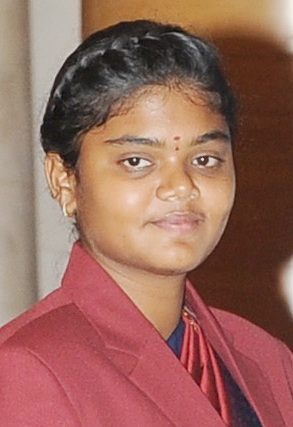
Jyothi Surekha Vennam’s longevity particularly interests me. She has accumulated major medals across seasons while operating outside the celebrity machinery automatically provided to a promising cricketer. Her career makes nonsense of the idea that Indian athletes outside cricket appear suddenly at a Games. They compete all year. It is our attention that arrives late.
Aditi Swami’s emergence as a teenager offered another familiar temptation: turn a young athlete into a miracle story, ask intrusive questions about sacrifice and load the next event with national expectation. I would prefer that we follow her competitive development, understand inevitable fluctuations and resist treating anything short of perpetual gold as decline. Young athletes need careers, not mythologies built before adulthood.
Recurve reveals the harder problem
Olympic recurve archery has produced flashes of Indian brilliance but also repeated disappointment at the Games. The standard response is to blame nerves. “Mental strength” is sports commentary’s favourite fog: broad enough to explain everything and vague enough to hold nobody accountable. Sometimes an athlete executes poorly under pressure. But pressure is shaped by preparation, selection stability, coaching relationships and the number of high-quality competitions an archer experiences.
India has changed personnel and expectations often enough that continuity itself should become a performance objective. Archers cannot be treated as replaceable parts whenever one tournament goes badly. Nor should federation politics dominate the months when athletes require calm. Transparent trials are necessary, but an endless trial culture can train athletes to peak for domestic selection rather than the championship that matters.
The Hangzhou campaign also showed what recurve teams can achieve, with medals in the men’s and women’s team events. Olympics.com’s broader record of India’s Asian Games milestones places archery within a historic multi-sport performance. The lesson is not that Olympic gold is now guaranteed. It is that the talent base exists and deserves sustained investment rather than quadrennial panic.
Coverage would help. Domestic tournaments should be streamed consistently with score graphics, competent explanation and athlete profiles. Archery is unusually suited to digital viewing: contests are compact, scoring is clear and slow-motion replay reveals technique. If federations and broadcasters think audiences will not watch, they should first attempt a presentation that does not resemble security-camera footage.
Attention is part of the sporting ecosystem
People sometimes accuse writers like me of asking fans to consume sport out of charity. I am asking for no such thing. Audiences cannot be ordered to love archery. They can, however, be given a fair opportunity to encounter it. Cricket’s dominance is not merely spontaneous preference. It is reinforced by schedules, marketing, studio discussion, highlights, fantasy products and the constant repetition of player narratives.
An Indian cricketer’s domestic innings becomes a breaking-news alert. An archer can win an international medal and receive a brief agency report below a transfer rumour. That imbalance affects sponsorship. Sponsors want visibility; visibility follows coverage; coverage follows presumed interest. The circle then presents itself as proof that nobody cares. Somebody must break it.
Public broadcasters have a special role. They need not chase every commercial trend. A reliable calendar of Olympic and non-cricket sport, promoted in advance and available online, would create habitual viewing. Federations must meet them halfway by publishing schedules, entries, results and usable media assets promptly. Too many Indian sports bodies communicate as if information were a private favour.
Schools and local clubs need access to equipment and qualified coaching. Archery is often imagined as either a rural tradition or an elite academy pursuit. A broader pathway would allow children to discover aptitude without families making an expensive leap. Equipment pools, district ranges and coach certification are less exciting than medal announcements, which is precisely why they matter.
Stop discovering athletes at immigration
My least favourite sports photograph is the airport welcome. Garlands, officials, cameras and exhausted athletes emerge after a medal, and the country acts as though support has been present throughout the journey. Recognition is deserved, but arrival ceremonies cannot substitute for physios, competition exposure, financial predictability and thoughtful journalism during ordinary months.
Archers should not have to become lifestyle celebrities to receive coverage. Tell us how they train, how equipment choices work, how wind is read, why qualification rankings matter and how team combinations are formed. Sportspeople become interesting when media treat their craft as interesting. The endless hunt for a tragic backstory or patriotic quote flattens them into medal-delivery devices.
I also want accountability without cruelty. A poor Olympic result should be analysed technically and institutionally. It should not trigger personal abuse, armchair psychoanalysis or the withdrawal of all attention. Cricket survives losses because another series and another narrative begin immediately. Other athletes are made to carry defeat for four years because we refuse to watch what happens next.
India’s archers have already supplied the evidence. Nine medals at one Asian Games, record-setting performances and champions across age groups are not a plea for sympathy. They are an invitation to cover a genuinely successful Indian sport with seriousness. The remaining failure belongs largely to broadcasters, federations, sponsors and editors.
I will still watch cricket. This is not a competition in which caring about one sport requires confiscating affection from another. It is an argument for proportion. A country of India’s size can hold more than one sporting conversation at a time. Our archers have learned to hit targets measured in millimetres. Surely our media can manage the less exacting task of finding them between Olympic ceremonies.