Every electric-car launch in India includes a map. Dots glow along highways, a presenter says “ecosystem,” and the audience is invited to imagine effortless long-distance travel. My map is less flattering. It begins in an apartment basement where a resident asks the association for a charging point, the electrician worries about sanctioned load, the committee demands an indemnity nobody can define, and three months later the owner is still using public fast charging as a substitute for the socket that should have existed at home. India’s EV transition will not be won on a stage. It will be won in parking bylaws.
The Union government has put substantial policy weight behind charging. The PM E-DRIVE guidelines portal includes operational rules for public charging, while the scheme’s charging-station FAQ explains eligible public locations and nodal responsibilities. This is necessary. Highways, transport hubs and urban public sites need coordinated capital because early utilisation may not justify purely commercial investment. But charger counts can become the EV equivalent of counting toilets without checking water. A dot is useful only when the unit works, accepts payment and is not blocked by a diesel SUV.
The car sleeps longer than it travels
Most private cars remain parked for many hours. That makes slow home or workplace charging the foundation of economical EV use. Fast charging should serve journeys and exceptions, not compensate for the absence of a domestic connection. Slow charging is gentler on batteries, cheaper to install and easier on the grid when scheduled. Yet housing societies often treat it as an exotic hazard rather than a manageable electrical load.
States and cities need model regulations establishing a resident’s right to install a compliant charger at an allotted parking space, subject to technical assessment and metering. Associations should not possess an indefinite veto, but neither should owners run improvised cables through common areas. Clear rules must assign costs for cabling, fire safety, load upgrades and restoration. Standard application forms and decision deadlines would prevent every basement from reinventing electricity law.
Older buildings present a harder problem. Their electrical rooms may lack capacity, parking may be unassigned and cable routes may be difficult. Here distribution companies should offer cluster solutions: shared load-management systems, separate EV meters and time-of-use tariffs. Smart charging can stagger vehicles rather than require every connection to draw maximum power simultaneously. The cheapest megawatt is often the one shifted away from the evening peak.
Public charging needs an uptime culture
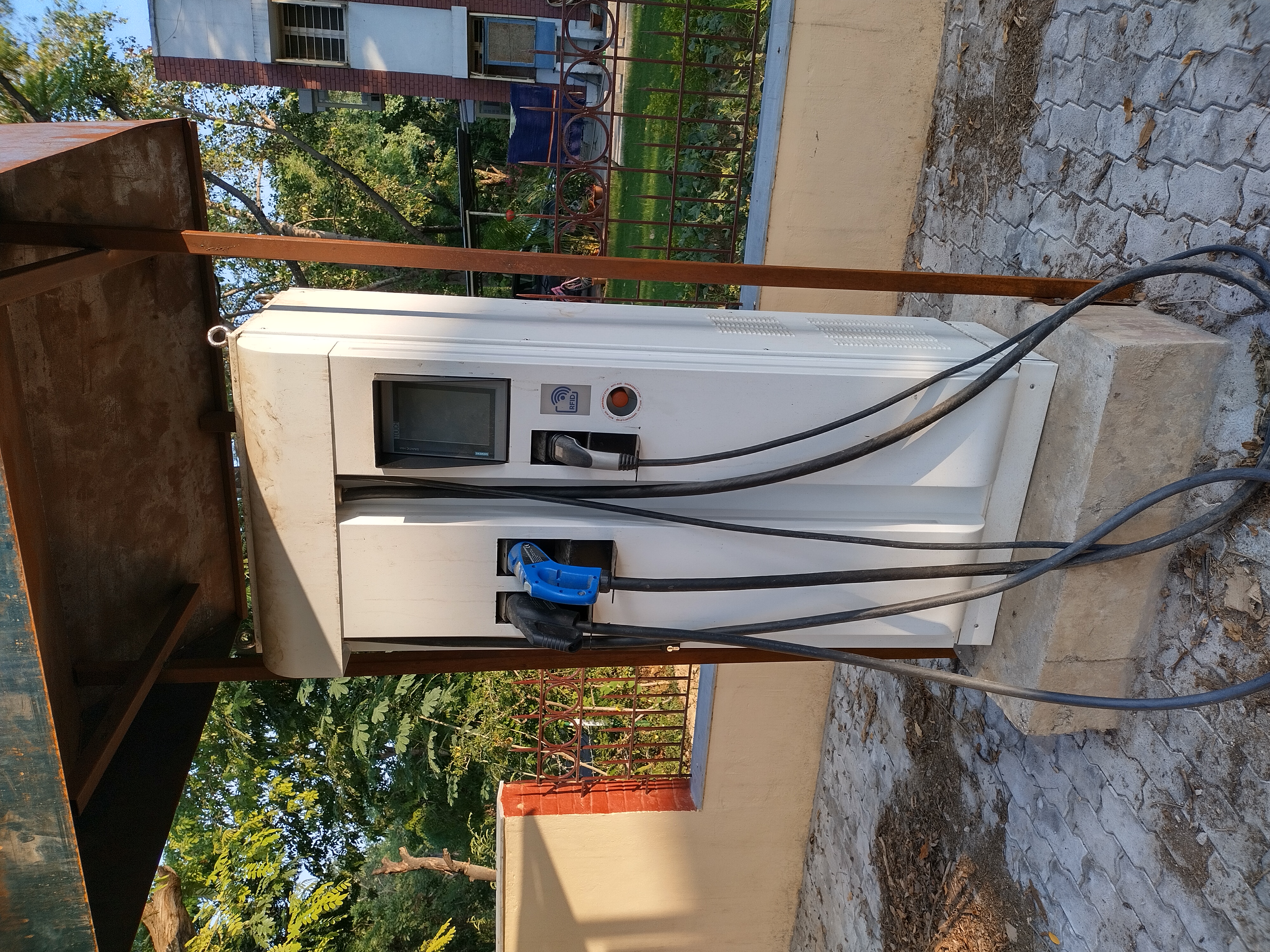
Operators like to announce installations; drivers care about availability. A station can be listed yet unusable because of a communication fault, broken connector, power outage, software error or occupied bay. Government-supported chargers should publish real-time status through open data standards so any navigation app can display availability and price. Subsidy should be tied partly to uptime and successful sessions, not merely commissioning.
Payment is another needless obstacle. Drivers should be able to tap a card, scan an interoperable QR code or use a common roaming arrangement. Requiring a different app, account and wallet balance for each network recreates telecom’s worst years. An EV charger is transport infrastructure, not a loyalty programme. Receipts and tariffs must be visible before the session begins.
Highway planning requires amenities as well as kilowatts. A charger located behind a closed gate or beside a dark, toilet-free patch is not family infrastructure. Sites need lighting, security, food or washroom access and enough bays to handle holiday peaks. Reliability matters more than theoretical speed. Two functioning medium-fast chargers can be more useful than one headline unit that overheats or queues three cars.
The grid is not the villain, but planning matters
Claims that EVs will collapse the grid are usually exaggerated at current adoption levels. The challenge is local: a transformer, feeder or apartment connection can face stress even when statewide generation is adequate. Distribution companies need visibility into new loads and incentives to upgrade before complaints arrive. Time-of-use pricing can encourage overnight charging, while fleets can schedule around depot capacity.
Renewable energy adds opportunity and complexity. Daytime workplace charging can absorb solar generation; overnight home charging may rely on a different mix. The environmental case for EVs should be evaluated across the evolving grid and vehicle life cycle, not through the childish claim that electricity appears without emissions. Even on a fossil-heavy grid, efficient electric drivetrains can reduce urban pollution and improve over time as generation cleans up. But battery production and vehicle size still matter. Electrifying a two-tonne fashion statement is less efficient than electrifying buses, two-wheelers and high-use fleets.
What showrooms should disclose
Every EV buyer should receive a site-readiness checklist before paying a booking amount. It should cover parking rights, cable distance, sanctioned load, earthing, charger rating and estimated installation cost. Dealers currently discuss claimed range with precision and home installation with optimism. The relationship should be reversed. A smaller-battery car with dependable overnight charging is often easier to own than a long-range model dependent on public infrastructure.
Dealers should also explain charging curves rather than quote peak rates. A vehicle may touch its maximum speed briefly and slow sharply as the battery fills. Journey planning depends on the time from a practical low state to roughly 80 per cent, under Indian temperatures, not the largest number printed beside “kW.” Owners deserve realistic data by battery condition and ambient heat.
The government’s infrastructure funding can accelerate deployment, and I give it credit for moving beyond purchase subsidies toward the ecosystem. But implementation should be audited publicly. How many supported chargers are commissioned, how many sessions occur, what is median uptime and how are sites distributed beyond affluent corridors? Spending is an input. A completed charge is the outcome.
India’s EV transition will advance unevenly. Two-wheelers, buses, taxis and private cars have different economics and charging patterns. Policy should resist a single glamorous narrative. The quiet victories will be a bus depot that manages overnight load, a petrol pump with dependable highway chargers and an apartment association approving a safe connection in two weeks.
When an EV salesperson tells me the car can travel hundreds of kilometres, my next question is where it will recover those kilometres while I sleep. If the answer depends on five apps and a committee meeting, the revolution remains unfinished. Build the highway network, certainly. But remember that most journeys begin and end in a parking space—and that is where India’s charging policy must finally arrive.