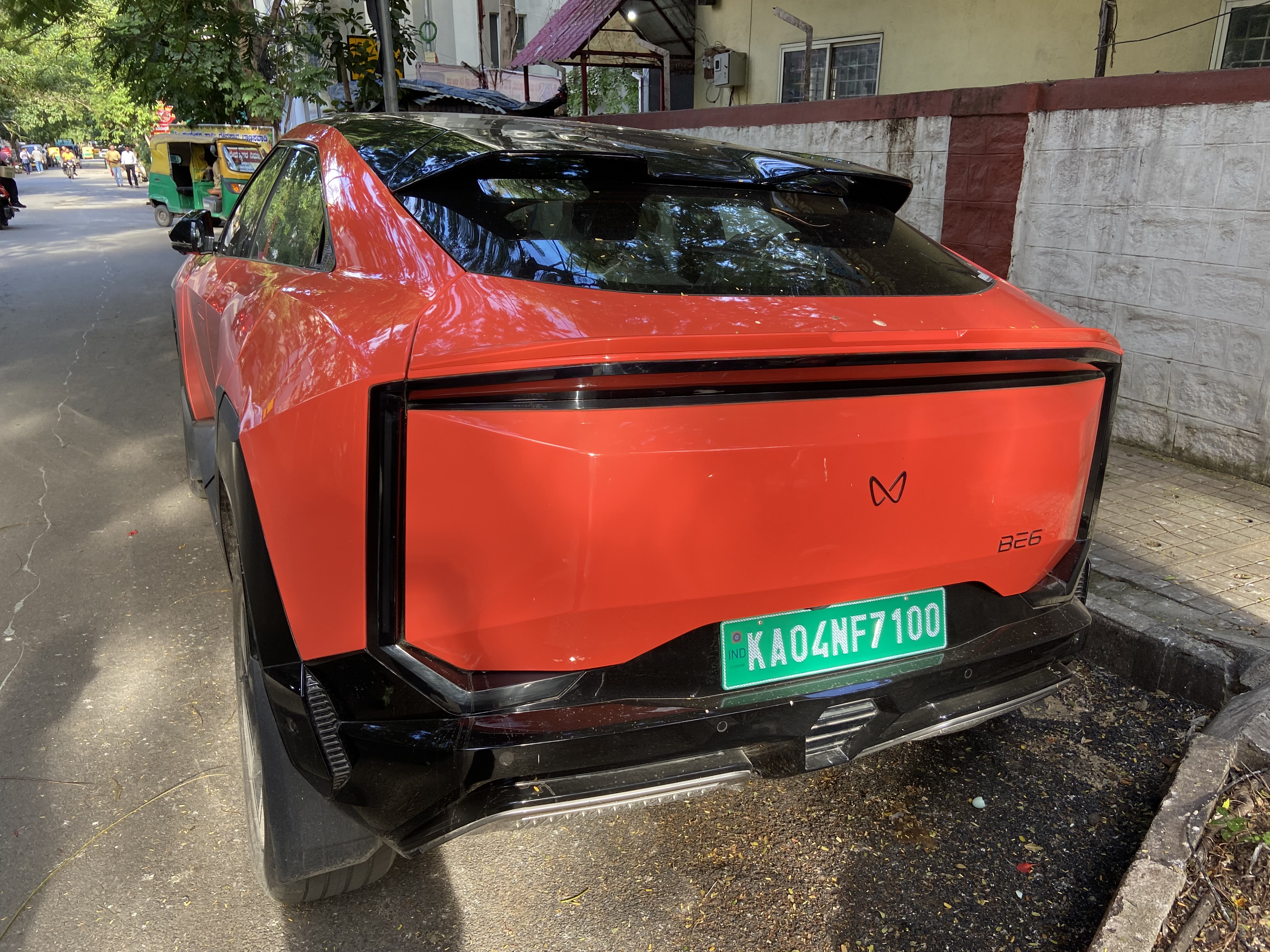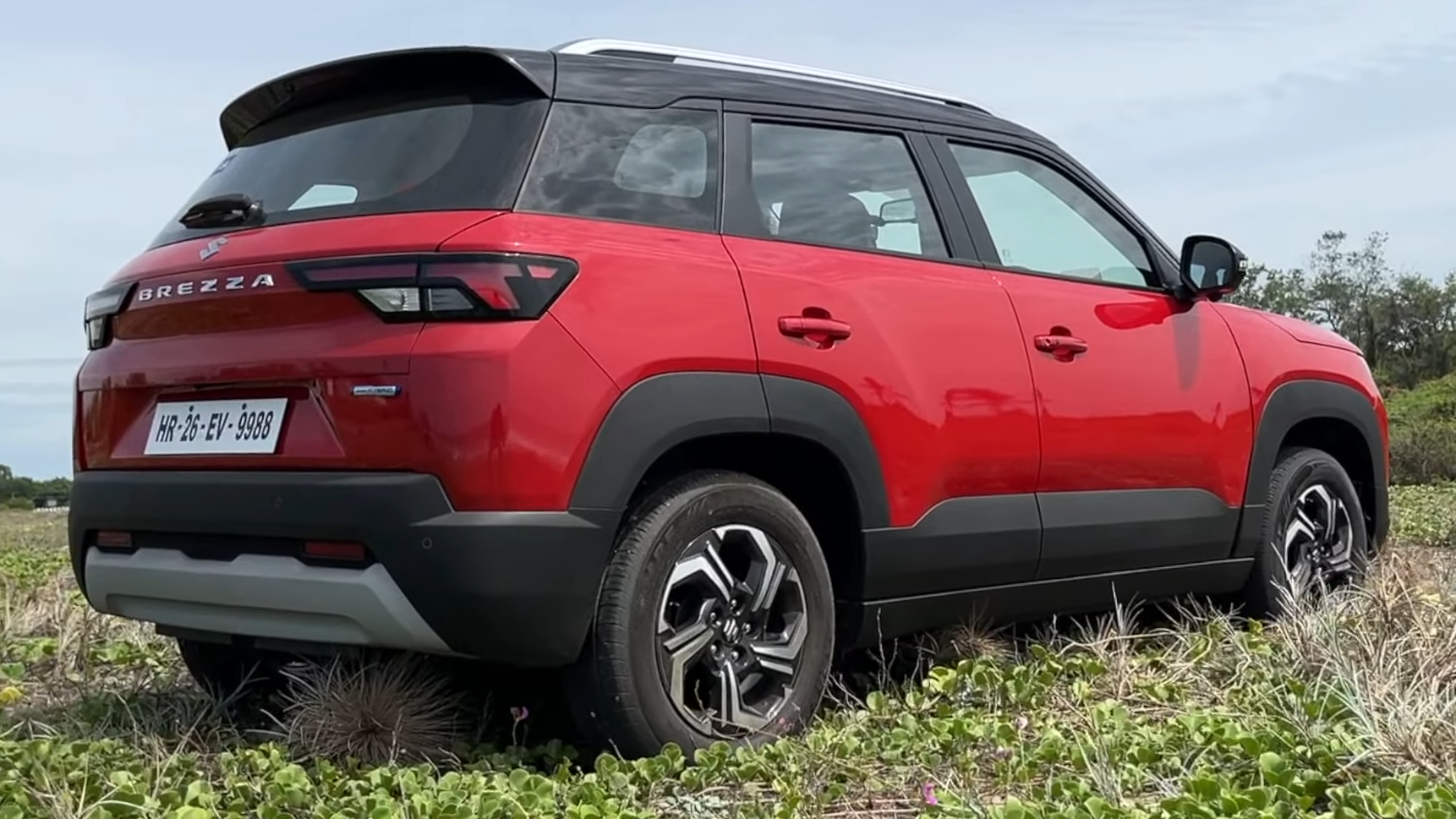

An electric-car showroom is a place of remarkable optimism. The range is sufficient, the app finds chargers, the highway network is expanding and every coffee stop apparently contains a functioning fast charger waiting exclusively for you. Then ownership begins. The charger is behind a locked hotel gate, the app balance will not load, the connector is occupied by a parked diesel car or the machine has been “under maintenance” since a date nobody can remember.
India has a national policy framework for expanding charging infrastructure. The official PM E-DRIVE notification provides for support across electric mobility and charging, while the Ministry of Heavy Industries’ scheme page explains the broader programme. The funding intent is welcome. My concern is that India still counts hardware more easily than it measures whether a driver can actually charge.
A charger exists only when it works
Official and industry maps often treat an installed charger as a permanent unit of capacity. Drivers experience something different. A charger may be offline, derated, inaccessible after business hours or incompatible with a vehicle. Payment may require a separate app with poor mobile reception. A station with four connectors may have insufficient power to operate all four at advertised speed.
Uptime should therefore be the central public metric. Operators receiving subsidy or public land should report availability, successful sessions, average delivered power, repair times and complaints. Data should be independently auditable and visible through open interfaces. A green dot on a map should mean more than “equipment was once commissioned here.”
Penalties must follow persistent failure. Public support should not finance metal monuments. Contracts can link a portion of payment to service availability over several years. Operators that maintain reliable stations should receive preference in future allocations. Maintenance is infrastructure, not an afterthought.
Home charging remains the hidden divide
The easiest EV ownership belongs to someone with a reserved parking spot and permission to install a charger. The car charges overnight, public networks become occasional support and fuel-station habits disappear. Apartment residents, tenants and street parkers face a different transition.
Housing societies can delay or reject installations because of wiring, fire fears, billing disputes or simple unfamiliarity. Model regulations should establish a right to request charging subject to technical safety, define cost responsibility and provide standard load-management options. Distribution companies need simple processes for additional connections and time-of-day tariffs.
Retrofitting older buildings will require shared chargers and power upgrades. Subsidies should not focus exclusively on highway fast charging. A modest number of dependable slow chargers where cars remain parked for hours can serve more daily energy at lower grid stress. Workplace and neighbourhood charging deserve policy attention.
Highways need networks, not dots
A highway corridor becomes usable when chargers are spaced with redundancy. One station every certain number of kilometres is inadequate if failure leaves no alternative within remaining range. Planning should consider traffic, weather, elevation and the real efficiency of loaded vehicles at speed.
Stations need lighting, toilets, food, security and room to queue without blocking access. Women travelling at night judge infrastructure through safety as much as kilowatts. A charger at an isolated corner of a closed compound may satisfy a map but not a family.
Signage is another neglected detail. Petrol stations announce themselves from the road. EV chargers are frequently hidden behind malls or hotels, forcing drivers to navigate service lanes while the battery estimate drops. Standard highway signs and accurate entry instructions would remove disproportionate stress.
Payment fragmentation is absurd
No petrol driver is expected to maintain balances with six oil companies before a journey. EV owners routinely download multiple applications, create accounts and prepay wallets. This fragmentation is defensible only from the operator’s perspective. For the public, it is friction masquerading as innovation.
Every subsidised public charger should accept an interoperable payment method: UPI, card or a roaming standard that settles between networks. An app may provide reservations and loyalty benefits, but it should not be the only door to electricity. Guest charging must be possible.
Price disclosure should also improve. Drivers need to know the energy rate, taxes, parking fees, idle fees and any session charge before plugging in. Comparing tariffs should not require interpreting four screens. Transparent pricing encourages competition and prevents unpleasant surprises.
The grid question is manageable but real
Critics sometimes invoke grid collapse as though every EV will fast-charge simultaneously at dinner. Smart charging, time-of-day pricing and distributed infrastructure can manage demand. The grid already handles new appliances and industrial loads through planning. EVs add complexity, not impossibility.
Distribution-level constraints are nevertheless local. A neighbourhood with many EVs may overload a transformer even when national generation is adequate. Utilities need visibility into charger deployment and incentives to shift demand. Managed charging can reduce peaks while ensuring vehicles reach required charge by morning.
Renewable integration offers opportunity. Workplace charging aligns partly with daytime solar production. Fleet depots can combine charging schedules, storage and rooftop generation. Policy should reward systems that reduce peak demand rather than merely installing the highest advertised power.
Dealers must stop outsourcing the truth
Sales staff should assess charging before accepting a booking. Where will the car park? Can a charger be installed? What sanctioned load exists? Which public stations on the buyer’s routes have demonstrated reliability? A sale made without these questions may become a dissatisfied owner who discourages ten neighbours.
Range claims should be translated into scenarios: city summer, highway summer, monsoon, full load and battery buffer. Buyers can handle honest variability. What destroys trust is discovering it after purchase. The same applies to fast-charging curves; peak speed is less useful than the time required across a common state-of-charge window.
Manufacturers should provide roaming support, live charger status and a helpline capable of resolving operator disputes. They benefit from public charging even when they do not own it. Selling the vehicle and pointing at third-party apps is not enough.
Count successful journeys
India’s EV transition is advancing because vehicles are becoming attractive on their own merits. The infrastructure conversation must catch up. Policy should track successful sessions, uptime, geographic redundancy, apartment access and consumer satisfaction. Charger counts are politically convenient but operationally shallow.
PM E-DRIVE can accelerate deployment if tenders reward reliability and interoperability. Public land can lower costs. Distribution companies can simplify connections. Municipal rules can unlock apartments. None of these interventions is glamorous, which is precisely why they require sustained administration rather than launch-event enthusiasm.
I remain optimistic about electric mobility. Most owners with home charging discover that daily use is easier than petrol refuelling. The problem is unequal confidence: some can rely on a private socket while others depend on a fragmented public network. A transition that works only for people with private garages is not yet a mass transition.
The next milestone should not be another impressive installation total. It should be the moment an Indian driver can travel across cities without carrying five apps, three backup plans and the phone number of a helpful hotel manager. Infrastructure succeeds when it becomes boring. Our chargers are still far too interesting.