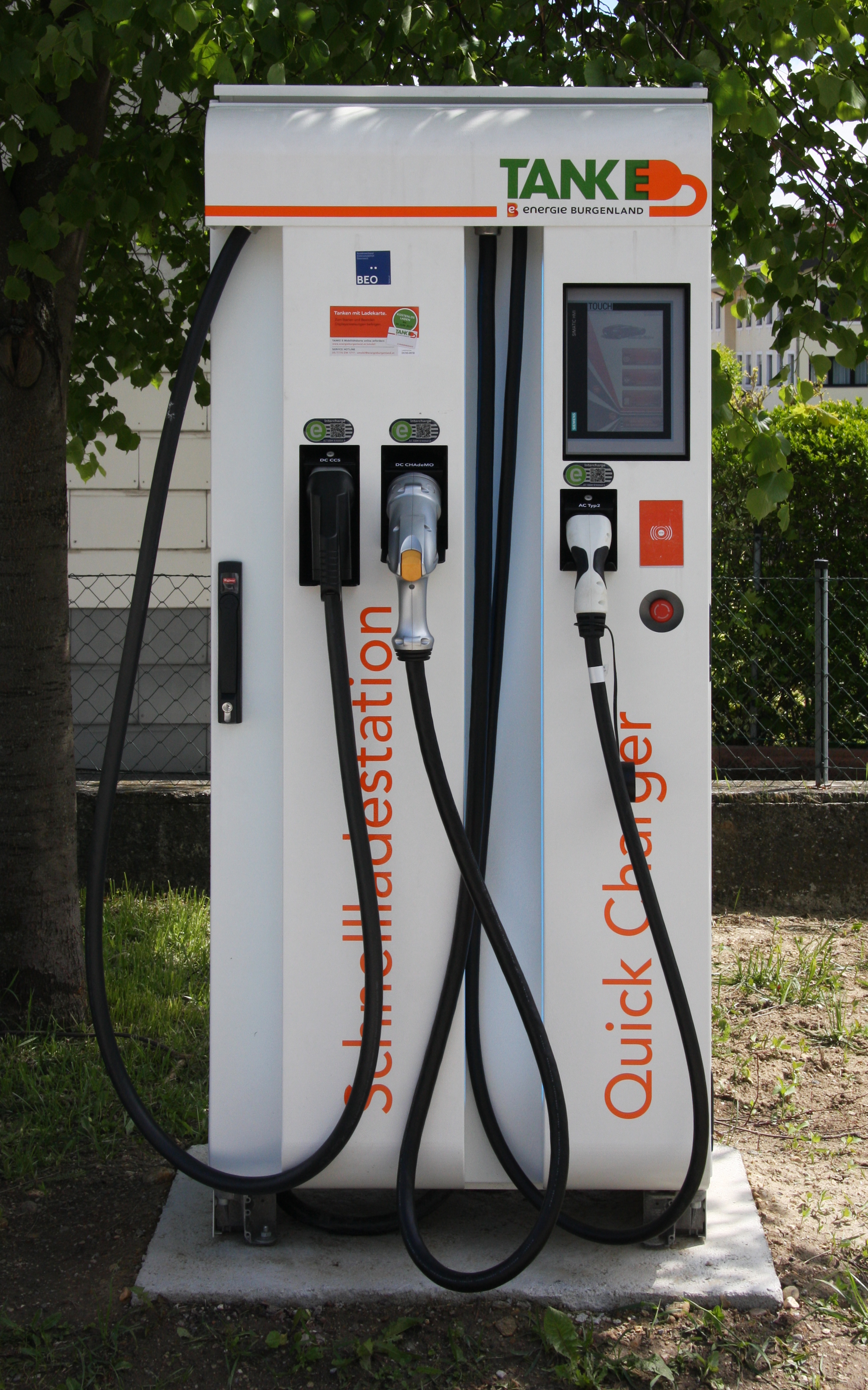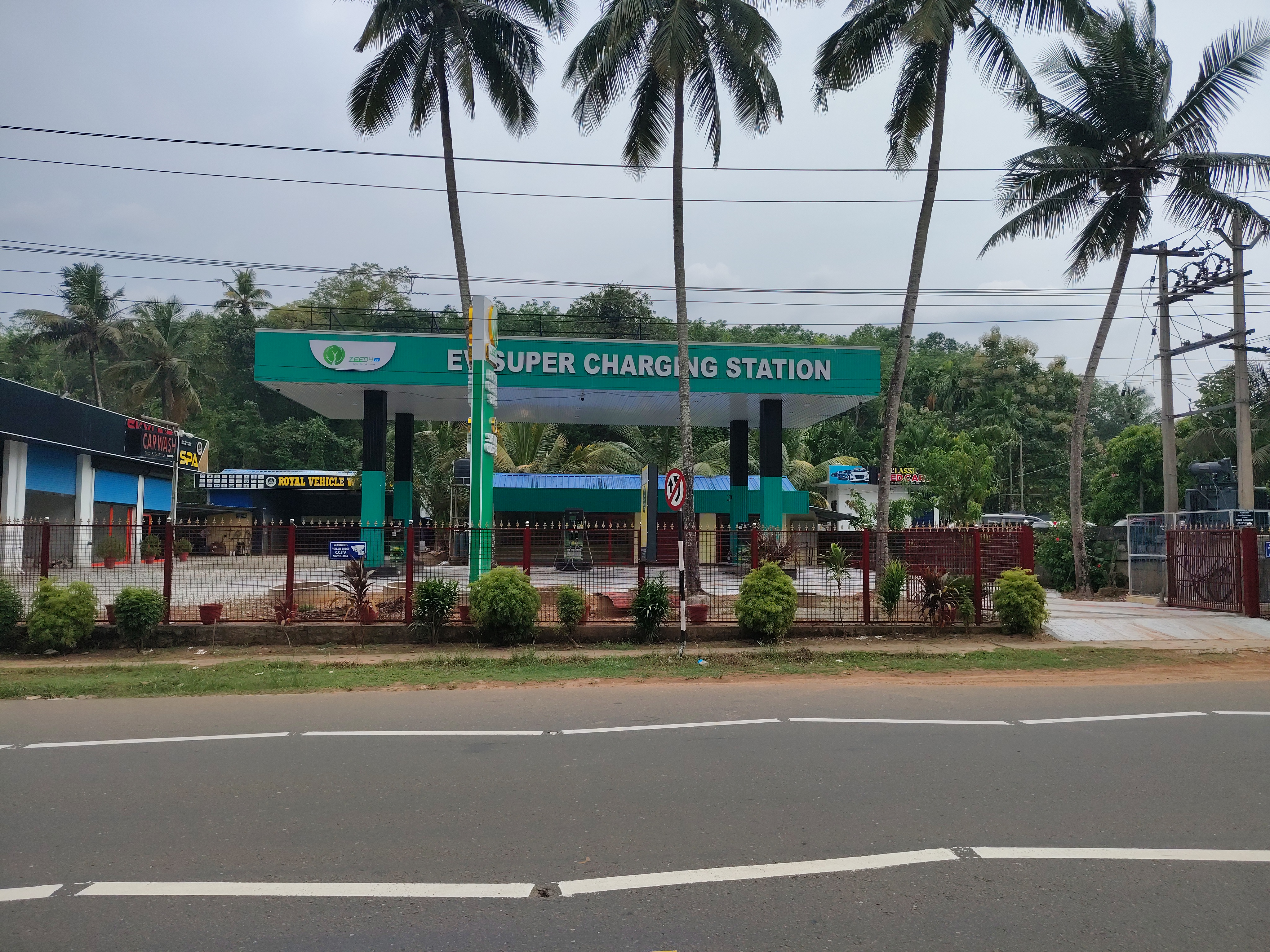
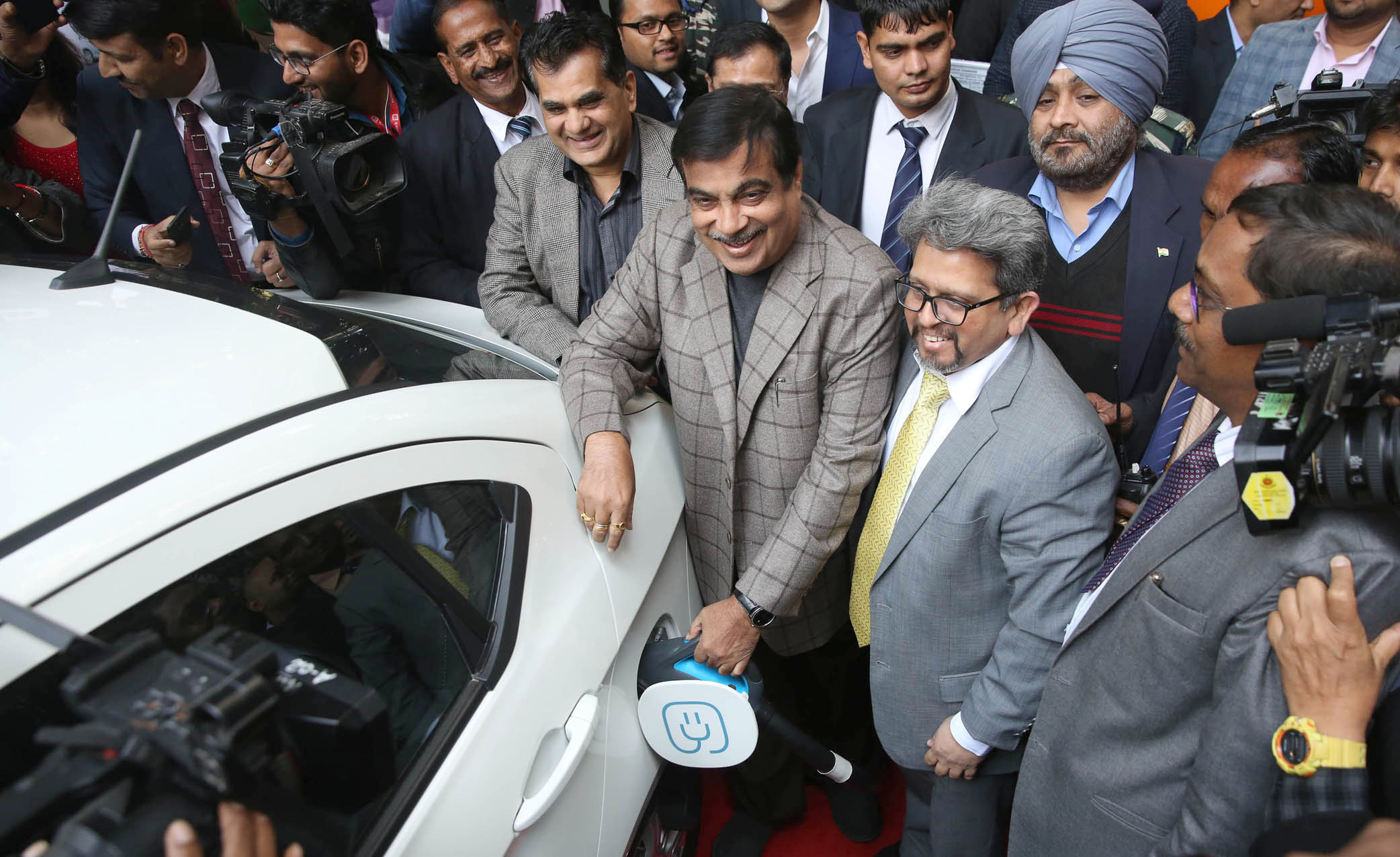
An electric-car salesperson will explain range, battery warranty and the speed of a fast charger with the serenity of someone who will not be stranded beside it at midnight. The missing question is whether that charger works, accepts your payment, has a safe approach road and sits near a usable toilet. India’s EV transition has moved beyond the stage when public charging could be treated as a map of pins. The government’s PM E-DRIVE programme assigns ₹2,000 crore to charging infrastructure; a July 2026 parliamentary reply said funding had been approved for thousands of chargers and reported EV penetration rising across recent years. The official reply is evidence of scale. It is not yet evidence of reliability. I want policy to count successful charging sessions, not metal boxes inaugurated.
Home charging hides the infrastructure gap
Early electric-car buyers are disproportionately able to park in a fixed space and install a charger. For them, the car begins each morning with predictable range. Public charging supports occasional trips. That ownership experience can be excellent: quiet driving, low running cost and no weekly fuel-station visit. But it does not describe apartment residents without assigned parking, tenants, street parkers or intercity commercial users. For them, charging is not backup infrastructure. It is the fuel system.
Housing societies remain an underestimated bottleneck. Committees worry about wiring capacity, fire risk, billing and unfair use of common space. Some concerns are reasonable; others become indefinite vetoes. States need model rules defining the right to install compliant chargers, load assessment, metering and cost allocation. Distribution companies should offer standard processes and time limits. New building codes must require conduits and electrical capacity before parking floors are finished. Retrofitting later costs more and invites dispute. An EV-ready building need not place a charger at every bay on day one; it should make expansion technically and legally routine.
A sanctioned charger is not a service
The government earlier announced an ambition to support roughly 72,000 public charging points under the scheme, described in a May 2025 infrastructure release. Ambition is useful because networks require coordinated scale. Yet procurement metrics can distort behaviour. Operators may place chargers where connection and land are easiest rather than where drivers need them. Equipment may be commissioned and then poorly maintained. Apps may show availability that bears no relationship to reality. A charger blocked by an internal-combustion vehicle is statistically installed and practically absent.
Every publicly supported site should report uptime, successful-session rate, average repair time, utilisation and tariff through an open standard. Government dashboards can show anonymised performance. Contracts should tie part of payment to several years of service, not installation alone. Penalties need teeth, while operators serving difficult low-utilisation corridors may require availability payments. The objective is not to maximise immediate energy sales at every location. It is to create a dependable network whose existence unlocks vehicle demand.
Interoperability is the real super app
Drivers currently collect charging apps like restaurant menus. Each demands registration, location permission, wallet balance or a new payment ritual. The proposed unified experience should not become one more compulsory app. India already has a universal payment culture. A charger should display its price, accept UPI or common cards and issue a receipt without requiring a relationship with the operator. Roaming between networks can support memberships and fleet billing, but ad hoc charging must remain simple.
Data should be interoperable too. Vehicles and maps need real-time connector status, power, queue information and tariff. Standards must prevent operators from marking broken units available. Drivers should be able to report faults, with a public ticket number and resolution time. Connector standards and power categories need clear labelling. None of this is futuristic. It is the basic usability petrol stations provide without asking a customer to download the fuel company’s lifestyle platform.
Where chargers belong
Highway charging needs a corridor approach. Place reliable clusters at intervals matched to real-world vehicle range, terrain and detours. A cluster is better than a single unit because one fault should not end a journey. Sites need lighting, surveillance, weather protection, food, toilets and 24-hour access. Highway amenities and oil-marketing-company forecourts are obvious partners, but power connections and transformer capacity must be planned. Fast chargers create substantial loads; a press release cannot energise a weak distribution feeder.
Cities require a different mix. Taxis and delivery fleets benefit from hubs near operational zones, with queuing and rest facilities. Retail destinations can host slower chargers where vehicles naturally dwell. Kerbside solutions may serve dense neighbourhoods, but enforcement and cable safety are crucial. Public buses need depots designed around routes and grid capacity, not merely vehicle procurement. Each use case has its own duty cycle. A uniform target of “chargers per city” hides whether the network matches behaviour.
Reliability includes the electricity source
EVs reduce urban tailpipe pollution and can lower lifecycle emissions, especially as the grid becomes cleaner. We should not pretend electricity arrives without environmental cost. Smart charging can shift demand toward periods with spare capacity or renewable generation. Fleet depots and large hubs can combine storage and solar where economics work. Time-of-use tariffs should encourage flexibility without confusing ordinary consumers. Grid planning must anticipate concentrated loads instead of responding after queues form.
Battery health also interacts with infrastructure. Drivers forced to rely exclusively on high-power charging may face higher costs and potentially greater degradation depending on chemistry and thermal management. A healthy network includes abundant slower destination charging, not only headline-grabbing ultra-fast units. Automakers should disclose charging curves and battery recommendations plainly. Peak kilowatts advertised for a few minutes tell less than the time from a realistic state of charge under Indian heat.
Do not leave smaller cities behind
EV adoption will not remain a metropolitan project. Two-wheelers and three-wheelers already make electrification relevant in towns where public charging and trained service are thinner. Battery swapping may suit high-utilisation fleets, provided safety, interoperability and financial responsibility are clear. Smaller cities need technicians, emergency response training and safe recycling channels alongside chargers. Otherwise, defective packs and informal repairs will create the backlash poor implementation invites.
I support PM E-DRIVE’s infrastructure emphasis and the government’s willingness to extend the programme. Demand subsidies helped create a market; dependable charging can make it self-sustaining. But policy must now grow suspicious of its own big numbers. Installed, sanctioned and operational are different words. Operational and dependable are different experiences. The Indian EV transition will succeed when a driver stops planning a charging halt as a minor expedition. The showroom has already sold the future. The charger operator, power utility, housing society and highway authority must make it boring enough to live with.