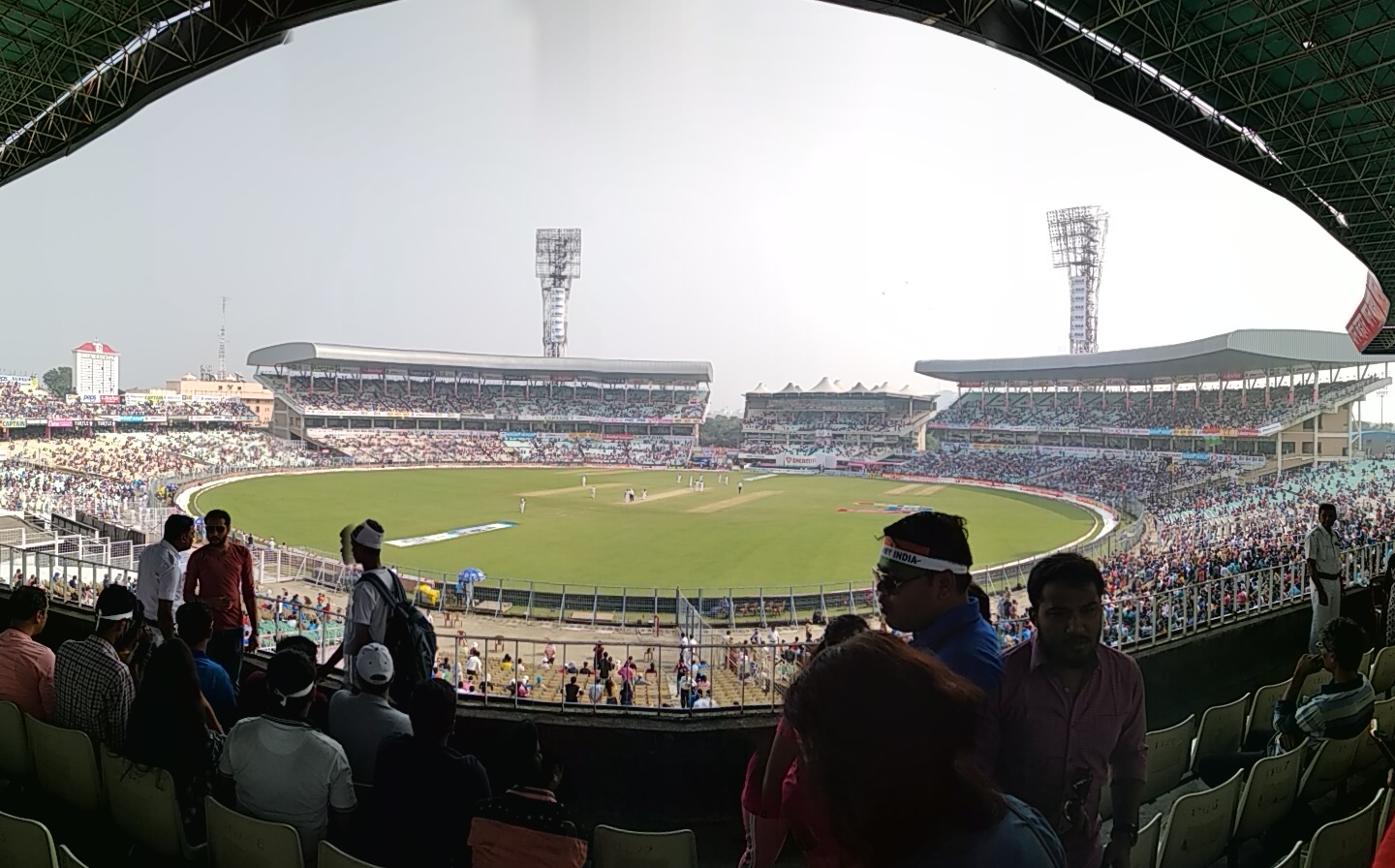

I looked at India’s long tour of New Zealand and felt the old Test-cricket supporter’s mixture of gratitude and suspicion. Gratitude, because two Tests still exist at the far end of the itinerary. Suspicion, because they sit there like elderly relatives invited after the DJ has been paid: respected in speeches, accommodated in practice. The tour runs across formats, cities and commercial windows, with limited-overs cricket doing most of the early work. The Tests arrive last, after white-ball habits, squad changes and the inevitable fatigue have already shaped the journey.
The basic itinerary is not conjecture. The ICC match page for the ODI leg records the tour’s one-day component, while New Zealand Cricket’s description of the broader sporting festival places the series within a large, multi-format programme. Administrators will say this is how modern tours must be packaged. They are partly right. My objection is not that T20s and ODIs exist; it is that Test cricket is continually praised as the pinnacle while being treated as the residual category.
The itinerary reveals the hierarchy
Scheduling is policy expressed as a calendar. Administrators can deliver a hundred speeches about tradition, but the order, spacing and promotion of matches reveal what they actually value. Short-form games offer predictable evening inventory, sponsor slots and broadcast-friendly conclusions. Tests demand daytime attention, uncertain duration and patience from viewers. Commercial logic therefore pushes one way unless governing bodies deliberately push back. At present, they mostly issue tributes while allowing the market’s easiest incentives to decide.
A Test series of two matches is particularly unsatisfactory. It can produce excellent cricket, but it rarely develops the narrative architecture that makes a contest memorable. One bad toss, one injured bowler or one rain-ruined match can dominate the result. Three Tests permit adjustment. A batter can solve a technical problem; a captain can rethink fields; a touring spinner can learn the pace of the surface. The series becomes an argument rather than a pair of disconnected examinations. Yet two-Test assignments proliferate because they fit around the more lucrative material.
I know the defence: calendars are crowded, players need rest and boards must finance the entire system. Fair enough. But crowding is not weather. It is the accumulated outcome of choices—additional bilateral T20s, franchise windows, expanding events and an unwillingness to remove low-stakes fixtures. When every product is declared indispensable, the least immediately profitable product loses. Test cricket is then blamed for failing to thrive in the conditions administrators created for it.
Preparation cannot be improvised
New Zealand is not a place where a touring batter can switch from limited-overs rhythm to Test judgment by changing the colour of his kit. The ball moves, the wind matters, grounds have unfamiliar dimensions and patience is tested differently. White-ball cricket can sharpen reaction and confidence, but it also rewards strokes and lengths that become traps with a red ball. A serious Test campaign needs proper first-class preparation, not a ceremonial net session between sponsor obligations.
India’s bench strength often disguises this problem. Because talented players keep arriving, structural neglect can be mistaken for resilience. A debutant may succeed spectacularly and allow everyone to congratulate the pathway. We hear less about the technically sound domestic player who cannot secure meaningful red-ball preparation on tour, or the fast bowler asked to move across formats until workload management becomes a euphemism for absence. Depth should permit specialisation. Instead, it sometimes enables administrators to consume players more freely.
The BCCI has the resources to establish a better model. Send a red-ball group early. Arrange substantial first-class matches on representative surfaces. Keep Test specialists out of disposable limited-overs fixtures. Coordinate workloads with domestic cricket rather than treating the Ranji Trophy as a reservoir that can be tapped without consequence. None of this is revolutionary. It simply requires believing that preparation affects quality and that quality affects the long-term value of the format.
Broadcasters cannot be the only imagined audience
Administrators often speak as though the fan exists solely as a unit of concurrent television consumption. The Test audience is more varied. Some watch long passages; others follow on radio, scorecards, highlights or office screens. Many build attachment through the accumulated rhythm of a series rather than every live delivery. That audience is commercially less tidy but culturally valuable. It produces memory, debate and loyalty that spill into every other format. Indian cricket’s enormous white-ball market did not emerge from nowhere; it inherited generations of narrative capital built by the longer game.
This is why promotion matters. If boards market Tests as austere heritage obligations, younger viewers will receive the message. Schedule them well, price grounds intelligently, create useful highlights, explain tactics and make players available for thoughtful discussion, and the format becomes legible rather than antique. The Ashes receives narrative investment months in advance. Many other Test series are announced, played and cleared away like administrative appointments. Prestige does not survive on reputation alone.
The counterargument is that spectators themselves choose T20 cricket. Of course they do, and often with good reason. It is convenient, vivid and skilful. But consumer preference is shaped by availability, promotion and habit. If the best players are rested from Tests, if series contain only two games, if start times and venues receive little thought, then weak engagement becomes a self-fulfilling forecast. No entertainment business launches a product apologetically and then cites modest demand as proof that investment was unnecessary.
India carries a special responsibility
The BCCI’s financial power means its choices influence everyone else. When India agrees to longer series, hosts can plan around meaningful revenue. When India treats Tests as negotiable, smaller boards receive the signal that the format’s strongest market will not defend it. This does not mean India must subsidise every sentimental fixture or accept absurd workloads. It means the richest board should help design a calendar in which Test cricket has protected space, coherent series and context beyond a points table.
The World Test Championship has provided some context, but its uneven schedules remain difficult to defend. Teams do not play identical opponents or equal numbers of matches. Percentage calculations give the table a mathematical air while concealing commercial asymmetry. A championship should gradually move toward clearer divisions, minimum series lengths and central support for less wealthy boards. Otherwise it risks becoming a decorative frame placed around the same bilateral inequalities.
Players also need a stronger collective voice. The modern elite cricketer is well compensated, but money does not create extra joints or concentration. If boards want stars available for major Tests, they must stop regarding every bilateral short-form match as sacred inventory. Rest should be planned, not announced after breakdown. Contracts can reward Test participation and specialisation without punishing players who pursue franchise opportunities. Moral lectures about loyalty are unconvincing when institutions themselves optimise every decision for revenue.
I will watch the New Zealand Tests whenever they finally arrive, probably with the unreasonable attention of someone who still remembers sessions rather than clips. My complaint is not nostalgia for a vanished monoculture. Cricket has changed, and much of that change is exhilarating. I simply refuse to accept that the oldest format must survive on compliments while everything else receives protected windows, marketing budgets and strategic urgency. Put three Tests at the centre of a tour, prepare for them properly and tell the audience why they matter. If administrators will not make those choices, they should at least stop pretending the decline is an act of nature.