I grew up believing a cricket season had a shape. There was preparation, a first-class rhythm, a Test series that accumulated tension, and enough silence between matches for an innings to remain in the mind. Indian cricket now resembles an airport departure board during fog: fixtures flashing, formats changing, players redirected, and nobody certain whether the delay matters because another sponsored contest begins tomorrow. The abundance is profitable. It is also consuming the very Test team whose excellence gave Indian cricket much of its authority.
The BCCI can point to a formal commitment to red-ball cricket. The Ranji Trophy continues, India plays marquee Test series, and central contracts acknowledge format specialists. Yet incentives are revealed by calendars, not speeches. The international itinerary listed by Wisden’s compilation of India’s post-IPL fixtures shows how white-ball series can fill the road between major Test assignments. Players travel, recover, appear in promotions and switch skills repeatedly. A Test tour then arrives carrying the expectation that muscle memory will obediently change uniforms.
Technique needs an appointment
Test batting is not simply slower T20 batting. The front shoulder, judgement outside off stump, response to lateral movement and willingness to leave are habits built through long exposure. A batter who spends months training to create boundary options cannot flick a switch and become patient against a new Dukes or Kookaburra ball. Nor can a fast bowler prepare for repeated spells by bowling four overs at maximum intensity, however elite the tournament.
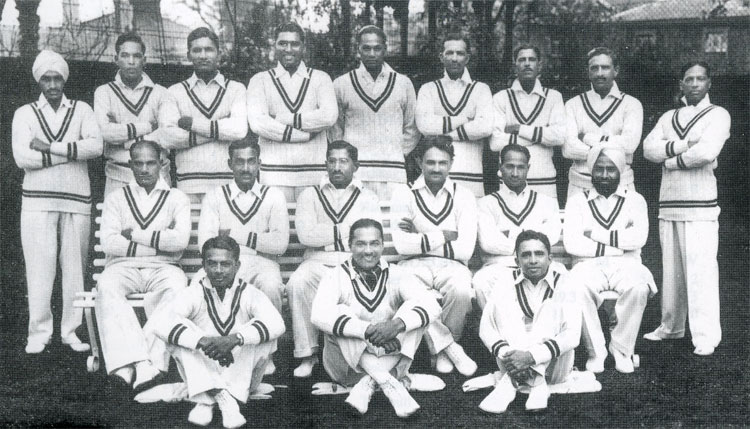
India’s great overseas successes were not accidents of talent. They came from an ecosystem that produced bowlers fit for sustained pressure, batters hardened by first-class cricket and a leadership group that treated twenty wickets as the centre of planning. When that system works, Test cricket is India’s most impressive sporting product: technically varied, psychologically demanding and internationally meaningful. When preparation is compressed, we discover familiar weaknesses and describe them as mysterious collapses.
The BCCI would rather supporters think only about supply. India has so many players, the argument goes, that different squads can serve different formats. There is truth in that, but depth is not infinite at the highest level. A fringe T20 player may be replaceable; a proven Test fast bowler or top-order batter is not. The same people are often selected because they are exceptional, and exceptional players are precisely those sponsors, broadcasters and bilateral partners most want on screen.
The Ranji Trophy cannot be ceremonial
I want selectors to treat first-class participation as preparation, not punishment. The BCCI’s own domestic fixtures portal demonstrates the scale of Indian domestic cricket, but the existence of matches is not the same as their integration into national planning. Senior players should have protected windows to play meaningful red-ball games before demanding Test tours. State teams need advance clarity, and pitches should produce contests that last long enough to test decision-making rather than merely generate scorecards.
There is a counterargument I respect. Players already carry brutal workloads, and ordering them into domestic cricket can add strain rather than readiness. Correct. That is why the answer is not more cricket; it is prioritised cricket. Drop an ornamental bilateral T20 series. Rest the Test core from white-ball assignments that teach selectors little. Use sports science to allocate workloads. A player cannot be everywhere, so the board must say which destination matters.
Money complicates this because the IPL funds much of the system and improves skills, livelihoods and global relevance. I am not asking India to return to a sepia age before franchise cricket. The IPL is a superb competition. My complaint is with the inability to distinguish a crown jewel from every imitation surrounding it. A great annual league does not require twelve months of international T20 clutter.
What the board owes supporters
The BCCI should publish a four-year format-priority plan. It should identify Test preparation blocks, limit format changes for core players and explain when domestic red-ball appearances are expected. Selection meetings should disclose the cricketing logic, without revealing private medical details. If a senior batter skips first-class preparation and fails repeatedly in similar conditions, reputation should not become an exemption from accountability.
Broadcasting also shapes memory. Test cricket needs consistent start times, affordable tickets, usable stadium facilities and promotion that treats the match as an event rather than filler between league auctions. Administrators often blame audiences for drifting toward short formats after designing the calendar and coverage to push them there. Give people a five-Test series with context, strong opposition and proper access; they still respond.
Women’s Test cricket deserves the same seriousness. Occasional one-off matches produce celebration but not a format. Skills, narratives and rivalries require repetition. India has the player base and market to lead rather than wait for reluctant boards elsewhere. A coherent Test programme for women would be an investment in sporting depth, not an act of nostalgia.
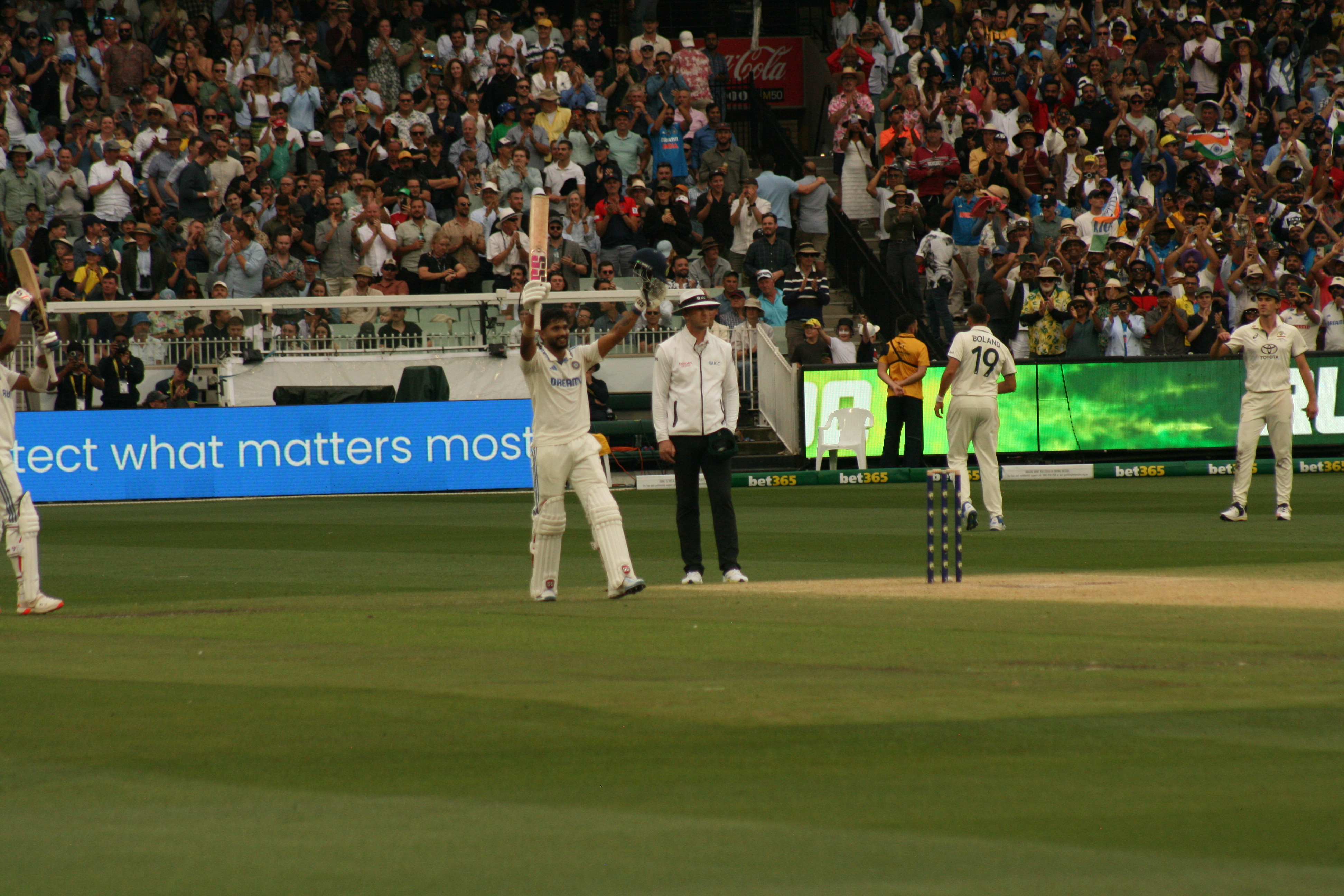
I admit my bias. A fourth-innings chase on a wearing pitch still matters to me more than another bilateral six-hitting exhibition. But my argument is not based only on taste. Formats interact. Test cricket develops problem-solving, defensive control and bowling endurance that strengthen players elsewhere. It also gives India international sporting prestige that no domestic franchise trophy can supply.
The danger is gradual. There will be no meeting where administrators vote to diminish Test cricket. Instead, a preparation week disappears here, a first-class game there, a tired bowler is managed after rather than before injury, and a bilateral series is inserted because the rights contract needs inventory. Each choice looks rational alone. Together they hollow out excellence.
India’s Test side became formidable because a generation refused to accept that overseas defeat was natural. The board must show the same refusal toward calendar drift. Protect preparation, reward first-class performance and stop pretending abundance eliminates trade-offs. The T20 economy is valuable. It should finance Indian cricket’s ambition, not quietly define its limits.