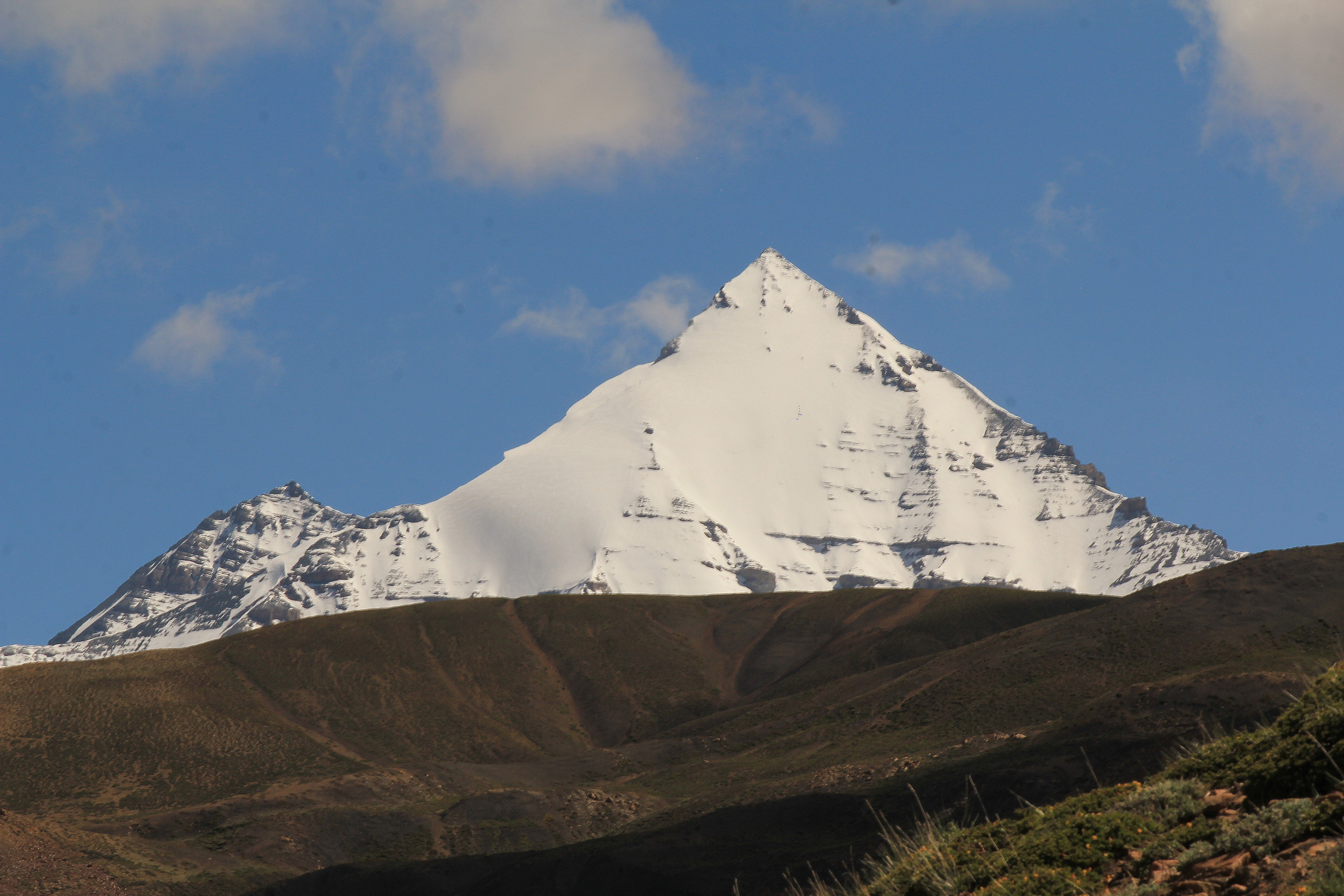
Komic enters most screens from above. A drone crosses brown mountains, prayer flags move in the wind and a caption announces an altitude high enough to make sea-level viewers inhale theatrically. The village becomes a collection of superlatives: among the world’s highest motorable settlements, extreme cold, scarce oxygen, remote life.
An NDTV account recently used a viral video to describe daily survival at roughly 4,587 metres. The wider regional context is available through Himachal Tourism’s Spiti guide. I understand why altitude leads the story. It is measurable, dramatic and easy to place on a thumbnail. But people do not experience their home primarily as a record.
Komic matters because it asks what citizenship means where roads close, winter reorganises time and a minor service failure can require a long journey. Its residents should not have to perform resilience before the rest of us consider reliable healthcare, communications, education and transport legitimate needs.
Remoteness is produced as well as inherited
The mountains create real constraints. Snow, landslides, distance and thin air limit construction and access. Yet remoteness is not only topography. It is also the result of decisions about road maintenance, staffing, telecommunications, emergency planning and budgets.
When a clinic lacks personnel, we often describe the village as remote as though geography made the staffing decision. When a network fails, the landscape receives blame. This language naturalises administrative choices. It allows the state to treat unreliable service as part of the scenery.
Providing urban-level infrastructure everywhere may be impossible and environmentally foolish. The standard should be appropriate access, not identical form. Telemedicine can reduce travel if connectivity works and medicines are available. Seasonal transport planning can anticipate closures. Local health workers can receive expanded training and support. Solar systems can provide resilience if maintenance and storage are designed for winter conditions.
Adaptation requires listening to residents. A solution imported from the plains may fail because batteries behave differently in cold, pipes freeze or repair technicians cannot arrive. Mountain knowledge is not picturesque tradition appended to technical expertise. It is technical expertise.
Tourism changes the equation
Road access and social media bring income to remote settlements. Homestays, guiding, food and transport can help families remain where earlier generations faced pressure to leave. Visitors may support crafts and create demand for better connectivity.
They also bring waste, water demand, traffic and expectations shaped elsewhere. A village that carefully manages scarce water cannot absorb unlimited bathrooms because travellers consider a bucket inconvenient. Plastic packaging arrives more easily than it leaves. Vehicles compress fragile land and turn silence into a consumable backdrop.
Responsible tourism is not achieved by telling visitors to respect local culture in decorative lettering. Accommodation capacity should reflect water and waste systems. Operators need enforceable disposal plans. Tourists should understand altitude illness, carry reusable supplies and avoid demanding urban menus at every stop. Pricing should reflect the real cost of operating responsibly.
The influencer economy adds a peculiar pressure. A resident becomes interesting when framed beside hardship: the highest post office, the coldest classroom, the last house. These labels can bring business, but they can also reduce a community to content infrastructure. Consent should mean more than smiling after a camera has already entered the courtyard.
Children should not have to inherit a dilemma
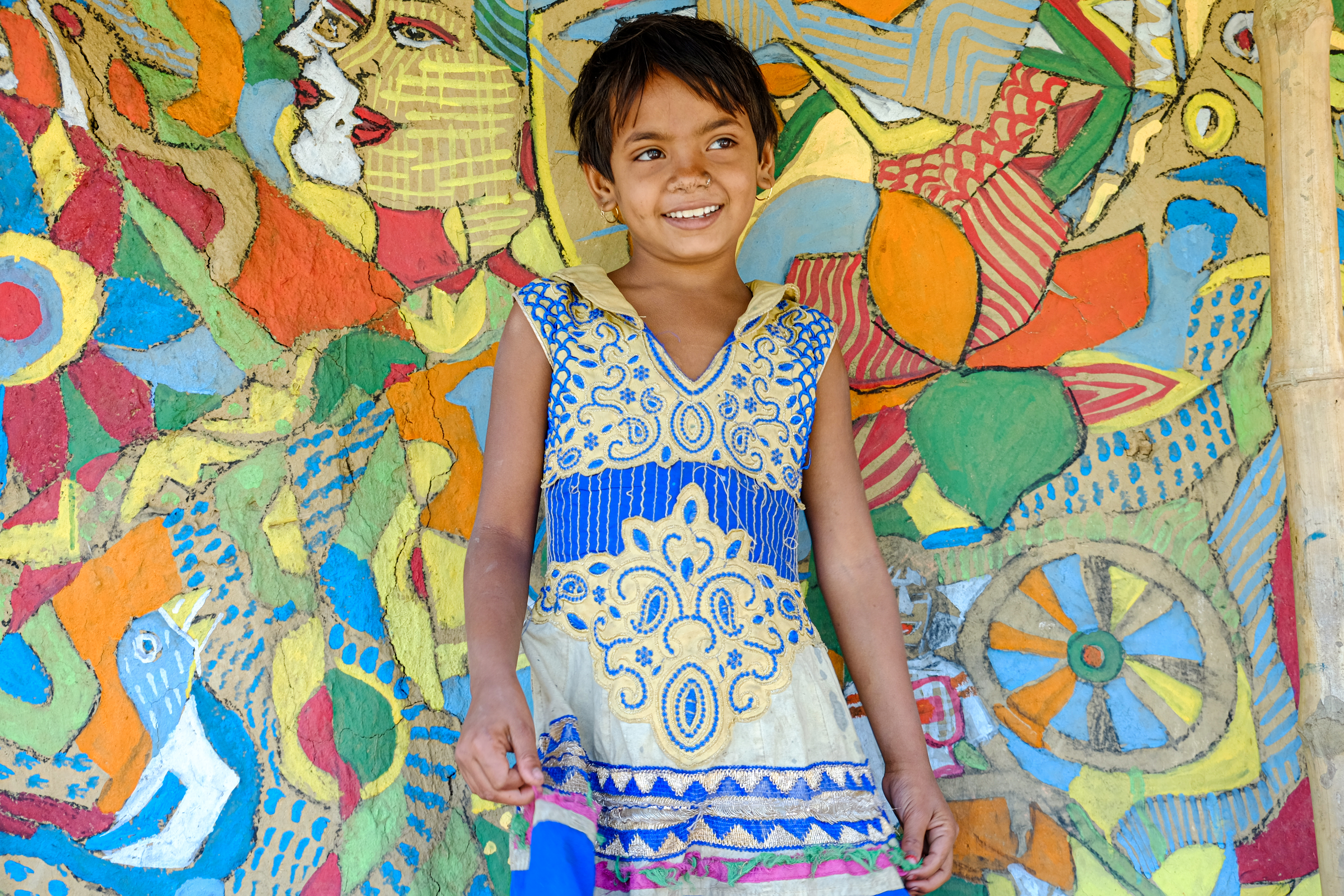
Education in remote communities is discussed as a choice between leaving and falling behind. That is too crude. Children need capable local schools, digital resources that work and pathways to further education. They should be able to encounter the wider world without being taught that success requires permanent departure.
At the same time, romantic calls to preserve village life can become coercive. Young residents may want careers unavailable locally. Migration is not cultural betrayal. The goal should be genuine choice: the ability to leave, return or maintain connections without essential services determining the decision.
Language and local history belong in education, not as festival material but as knowledge. Climate patterns, agricultural practices and Buddhist cultural traditions can coexist with science, mathematics and digital literacy. A school serving Komic should not be a poorer copy of a plains school. It should be a strong school designed for Komic.
Teachers need housing, incentives and professional support. Temporary posting should not mean temporary commitment. Technology may connect classrooms to specialist instruction, but it cannot replace a stable adult who knows the children and community.
Climate change removes the margin
High-altitude communities have always managed uncertainty, but climate disruption can alter snowfall, water availability, landslide patterns and agricultural timing. Infrastructure designed from historical averages may no longer be adequate. The cost of error is higher where alternate routes and supplies are limited.
Development should therefore be cautious. A road can improve access and destabilise slopes if cut carelessly. Concrete construction can provide comfort and undermine thermal practices suited to the region. Tourism can diversify income and consume the resources on which residents depend.
Climate adaptation funding should reach local institutions with technical assistance and public accounting. Villagers need authority in decisions about water, waste and land use. Consultation conducted after a project design is complete is an announcement wearing democratic clothing.
Researchers and officials should return findings in accessible form. Too often remote communities supply data to studies whose conclusions circulate elsewhere. Knowledge extracted from Komic should help Komic plan.
Resilience should not become an excuse
I am moved by the ingenuity with which people build ordinary lives in difficult conditions. But the word resilience is dangerous when applied from a comfortable distance. It can praise people for enduring failures we have decided not to fix.
A mother arranging care during a road closure may be resourceful; she should still have emergency support. A student studying through weak connectivity may be determined; the network should still work. A household conserving water may possess generations of knowledge; tourists and construction should still be regulated.
The humane story is not that residents survive with less oxygen. Human bodies acclimatise, communities organise and daily routines become normal. The humane story is that a place so frequently described as near the sky remains connected to institutions on the ground.
I want coverage of Komic to follow a child through a school year, a health worker through winter or a homestay owner through waste disposal after tourist season. Those stories would be quieter than a drone shot and more revealing. They would show relationships, compromises and the practical intelligence that superlatives hide.
Komic does not need our amazement as much as our attention. Amazement arrives, films and leaves. Attention asks whether the road was repaired, the clinic staffed and the spring protected. One turns a village into a destination. The other recognises it as a home.