
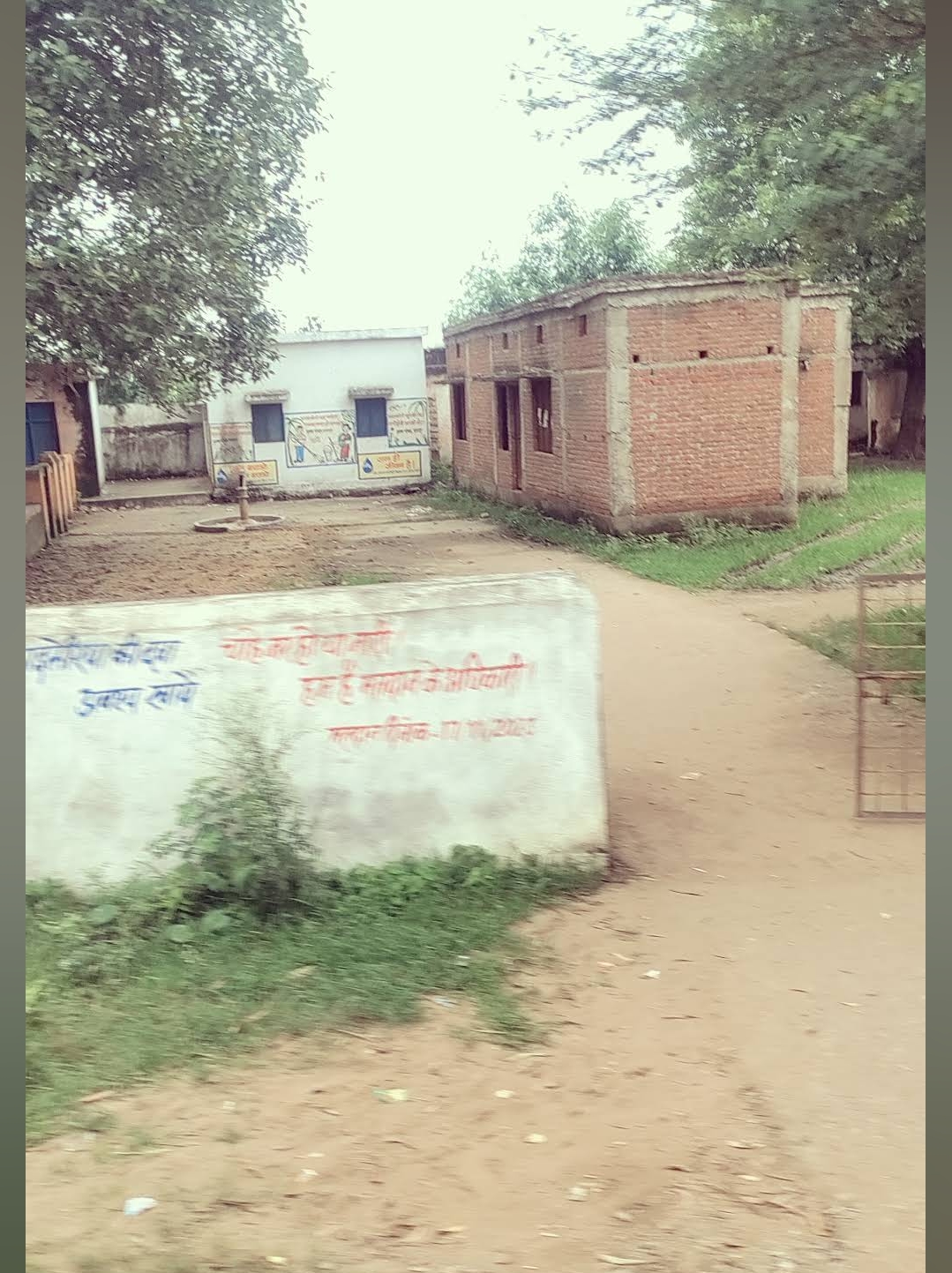
Streaming platforms keep telling me I have never had more choice. This is technically correct in the same way that standing in a warehouse means one has never had more furniture. Every Friday delivers rows of thrillers, adaptations, true-crime documentaries and “edgy” comedies that appear designed for a thumbnail before they are designed for memory. Then there is Panchayat, a show that can make an argument over a road, chair or water tank feel more consequential than another international conspiracy.
I return to Phulera because the series understands duration. Abhishek Tripathi’s reluctant posting as a panchayat secretary was initially a comic premise, but the show gradually made reluctance itself evolve. He does not suddenly discover that rural life is spiritually pure. The village does not exist to cure an urban man. Attachment accumulates through irritation, routine and responsibility. Prime Video’s official series page presents the seasons as a single product; watching them feels more like revisiting people whose relationships have thickened while we were away.
Phulera is not a content backdrop
Indian streaming has discovered the small town so enthusiastically that it risks turning every district into production design. Add a dialect, a motorcycle, faded paint and local corruption; declare authenticity. Panchayat avoids this because Phulera is organised by relationships rather than props. Who may sit where, who can ask a favour, who resents whose influence and who arrives uninvited—these details create social geography.
Neena Gupta’s Manju Devi begins within an arrangement in which her husband, Brij Bhushan, informally exercises the authority attached to her elected office. A lesser show would turn this into a weekly lecture or a clean empowerment arc. Here, competence grows unevenly. The marriage contains affection and hierarchy at once. Raghubir Yadav makes Brij Bhushan neither a cartoon patriarch nor a secretly perfect progressive. That ambiguity is the show’s political intelligence.
Faisal Malik’s Prahlad demonstrates the same patience. Comedy establishes him as part of a familiar group; grief later changes how he occupies space. The series does not treat sorrow as a single prestige episode after which normal programming resumes. It allows bereavement to alter posture, speech and friendship. That continuity is possible only when writers regard characters as more than delivery systems for plot.
I resist calling the show “simple.” Simplicity is often praise bestowed by urban viewers upon stories whose social negotiations they do not have to navigate. Phulera’s politics can be petty, strategic and emotionally costly. The series is accessible because its writing is clear, not because its world lacks complexity.
The algorithm hates patience
Streaming economics rewards immediate hooks and completion. The first minutes must promise danger; the end must solicit the next episode. This produces shows that are constantly happening and rarely living. Panchayat can spend time on preparations, embarrassment or a conversation that changes no external fact. Those moments build the trust that later allows drama to land without manipulation.
The show’s popularity proves that audiences are not universally afflicted by shrinking attention spans. We become impatient with work that has not earned patience. A slow scene containing observation feels shorter than a frantic sequence assembled from cliché. Platforms should distinguish between pace and engagement instead of treating silence as a technical fault.
TVF’s background in compact, character-led digital series matters. The company learned to work without the inflated grammar of film and without traditional television’s endless extension. Public accounts of the series, including its cast and episode record on IMDb, reveal how a relatively stable ensemble has become central to its identity. Continuity is not glamorous, but it lets tiny shifts carry meaning.
The danger now is success. A beloved streaming property becomes an asset to be extended, promoted and mined. Seasons grow because a platform needs retention, not because the story has found new pressure. Panchayat must be allowed to end before Phulera becomes a theme park populated by catchphrases. Affection can be exhausted by management.
Comfort is not the same as innocence
Some viewers treat the series as comfort television, and I understand why. Its friendships, humour and recognisable rhythms offer relief from streaming’s catalogue of serial killers. But comfort can obscure the show’s sharper observations. Rural aspiration, bureaucratic weakness, gendered authority, electoral competition and unequal access are always present. The characters survive institutions through improvisation because institutions frequently arrive incomplete.
The series occasionally softens those realities. Charm can make patronage look harmless, and the warmth of the central group risks dividing the village into beloved insiders and inconvenient others. I would like future storytelling to give rivals interior lives rather than using them only as obstruction. Political competition becomes more interesting when the opposing side wants something intelligible.
Nor should every rural problem be solved by the educated urban protagonist’s common sense. Abhishek is useful precisely because he is sometimes vain, impatient and wrong. The show’s strongest scenes allow local knowledge to correct him without romanticising every local practice. India’s urban-rural conversation needs more of that mutual irritation and less moral tourism.
The casting remains a major strength. Nobody appears polished into generic desirability. Faces register weather, work, status and private calculation. This should not be remarkable, yet on Indian screens it is. Too many streaming shows cast actors who look as though they share a single personal trainer even when their characters supposedly inhabit different classes and regions.
What platforms should actually learn
The wrong lesson would be to commission ten village comedies. Streaming executives love a replicable surface. The correct lesson is structural: fund specific worlds, maintain ensembles, allow relationships to change slowly and stop demanding that every episode manufacture a viral scene. A series becomes rewatchable when viewers miss the people, not when marketing repeats the meme.
Platforms also need to release enough information for cultural discussion to mature. Viewership numbers remain selectively disclosed and conveniently defined. A show is announced as a global success without comparable data; a cancellation arrives without explanation. This secrecy makes criticism dependent on corporate adjectives. If streaming is now a major cultural institution, it should tolerate basic transparency about reach, completion and renewal.
I want Indian streaming to recover confidence in ordinary scale. Not every story requires a cinematic universe, a foreign location or a final shot setting up season five. The household, office and village council contain power struggles as revealing as any intelligence agency. Writers need time to observe them, and performers need scenes that are not chopped into trailers.
Panchayat matters because it gives attention a moral and artistic value. It asks us to notice who pours tea, who is permitted to decide, who sits silently and who turns up when grief makes speech useless. The show’s gentleness is not emptiness. It is discipline.
When I close most streaming apps, individual titles blur into a menu. Phulera remains spatially and emotionally legible. I remember the office, the water tank, the roads and the awkward pauses between people who cannot say exactly what they mean. That endurance is what platforms claim to want when they speak of franchises and engagement. They might achieve more of it by commissioning fewer warehouses and more worlds.