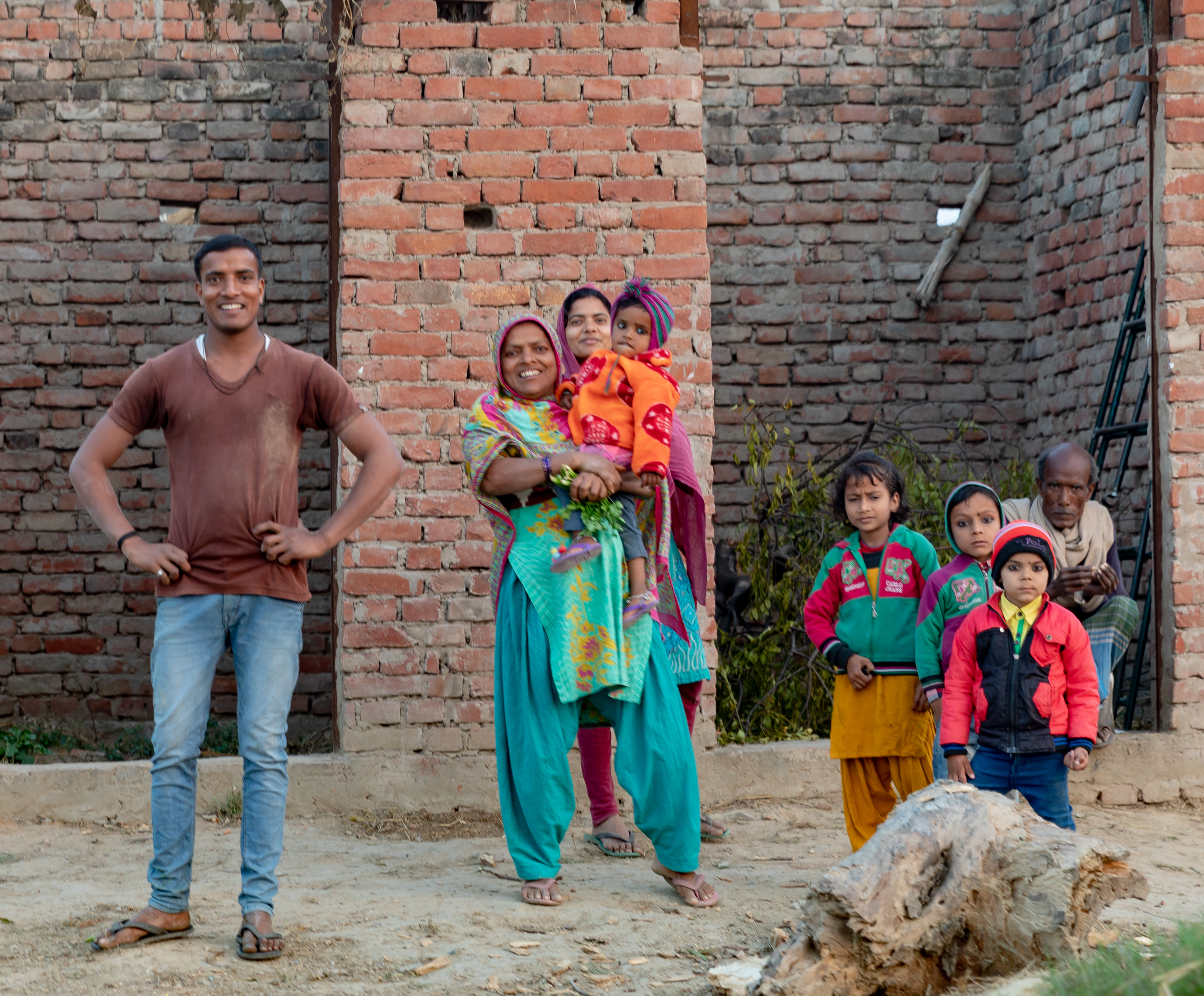

The modern headline has an incurable weakness for placing software in the hero’s chair. When an elderly Punjab pilgrim who had wandered onto a train and reached Gaya was reunited with his family, reports naturally highlighted the young helper’s use of ChatGPT and internet searches. NDTV’s original account and India Today’s follow-up describe the essential facts: Chaman Lal became separated from his pilgrimage group, travelled far from home, and could remember little beyond a village name. Neeraj Kumar, a young construction worker in Gaya, fed and sheltered him, searched for the location and personally accompanied him back to Punjab.
The AI did not notice a hungry man at a station. It did not invite him home, negotiate a language barrier, continue searching for days or buy a ticket. Most importantly, it did not decide that identifying a village created an obligation to complete the journey. Neeraj did. This distinction may appear pedantic in a cheerful story, but it matters because technology coverage continually erases the human chain that makes a tool useful. We call the result an AI rescue because “young worker behaves with extraordinary decency” sounds insufficiently futuristic.
A village name is not an address
India is full of repeated, variously transliterated place names. A person saying Fatehgarh Gujran without district, state or pin code presents a search problem more difficult than typing one clean query. Language adds uncertainty; memory trouble adds more. A chatbot can suggest possibilities, but somebody must test them against speech, geography and local recognition. Search tools compress information. They do not eliminate judgment.
Neeraj’s most impressive act was not finding a plausible result. It was refusing to treat plausibility as completion. He travelled with Chaman Lal rather than placing a vulnerable elderly stranger on another train and hoping the railway would finish the story. That choice converted information into care. Our digital culture is very good at forwarding a location pin and calling the task done. Neeraj understood that navigation and responsibility are different services.
There is a dry institutional question beneath the warmth. How did an elderly man with reported memory problems become separated from an organised pilgrimage group, reach a station and travel such a distance before a formal system intervened? Free pilgrimage programmes can bring joy and access, but organisers accepting responsibility for older participants need head counts, emergency contacts, identification cards and clear missing-person protocols. Celebrating a rescue should not prevent examination of the gap that made rescue necessary.
The station as India’s accidental welfare desk
Railway stations repeatedly become places where lost children, distressed adults, migrants and people with mental-health difficulties surface. They are open, crowded and connected to everywhere. Staff and police cannot identify every vulnerable traveller, but basic systems can improve: trained help desks, multilingual signage, rapid coordination with local shelters and privacy-respecting ways to circulate verified photographs. The public often fills these gaps through tea sellers, porters, passengers and people like Neeraj. Informal compassion is valuable; relying on it as policy is not.
A searchable emergency identity card for willing elderly travellers could help, provided consent and data protection are taken seriously. A simple printed card with family contacts may work better than an elaborate app when the person is distressed and the phone is missing. Technology policy has an embarrassing habit of designing for the device while forgetting the human who cannot unlock it.
ChatGPT’s role is still worth noting. General-purpose language tools can help users explore uncertain spellings, translate fragments and generate search variations. For someone without specialist access, that is meaningful. But reporting should avoid implying that the system verified identity or located the family autonomously. The reliable process involved cross-checking, travelling, showing a photograph and obtaining recognition from local people. AI accelerated a search; a social network completed it.
Why the story travelled
The tale became popular because it offers relief from the usual relationship between strangers and risk. Neeraj brought an unknown man into his home when the safer personal choice was to keep walking. Many readers imagine themselves displaying equal generosity, although our collective behaviour at stations suggests otherwise. Viral human-interest stories let us borrow virtue briefly. The better response is to notice how small the first action was: asking a distressed person whether he needed food.
There are dangers in romanticising private rescue. Vulnerable people can be exploited, misidentified or moved without proper safeguards. Helpers should involve police and welfare authorities where possible, document communication and avoid broadcasting sensitive details. Kindness does not exempt anyone from caution. The reports indicate that Chaman Lal’s family had alerted police and circulated his image, which helped local recognition. Formal and informal efforts can reinforce each other.
I am also struck by the economic asymmetry. The hero was not a technology executive demonstrating a product. He was a nineteen-year-old construction worker using publicly available tools and several days of his own life. Innovation rhetoric often celebrates founders while treating ordinary users as adoption statistics. Here the user supplied the creativity, persistence and moral purpose. The software company provided a box.
The correct moral
The obvious conclusion is that AI can be used for good. True, and bland. Hammers can build ramps; phones can call ambulances. The more useful conclusion is that tools amplify an intention they do not create. Give an indifferent person a perfect map and he may still walk away. Give a responsible person an imperfect search result and he may cross the country to test it.
Pilgrimage organisers should strengthen safeguards. Railway authorities should improve protocols for vulnerable travellers. Families caring for relatives with memory loss should use simple identification measures without stripping them of independence. Those are the practical lessons. The cultural lesson belongs to Neeraj: responsibility can begin before authority assigns it.
When Chaman Lal reached home, the family reportedly welcomed the young man who brought him. That image is more interesting than the chatbot prompt because it contains costs a machine cannot bear—time, uncertainty, hospitality and trust between people who began as strangers. The AI helped with a noun: the village. Neeraj supplied all the verbs.