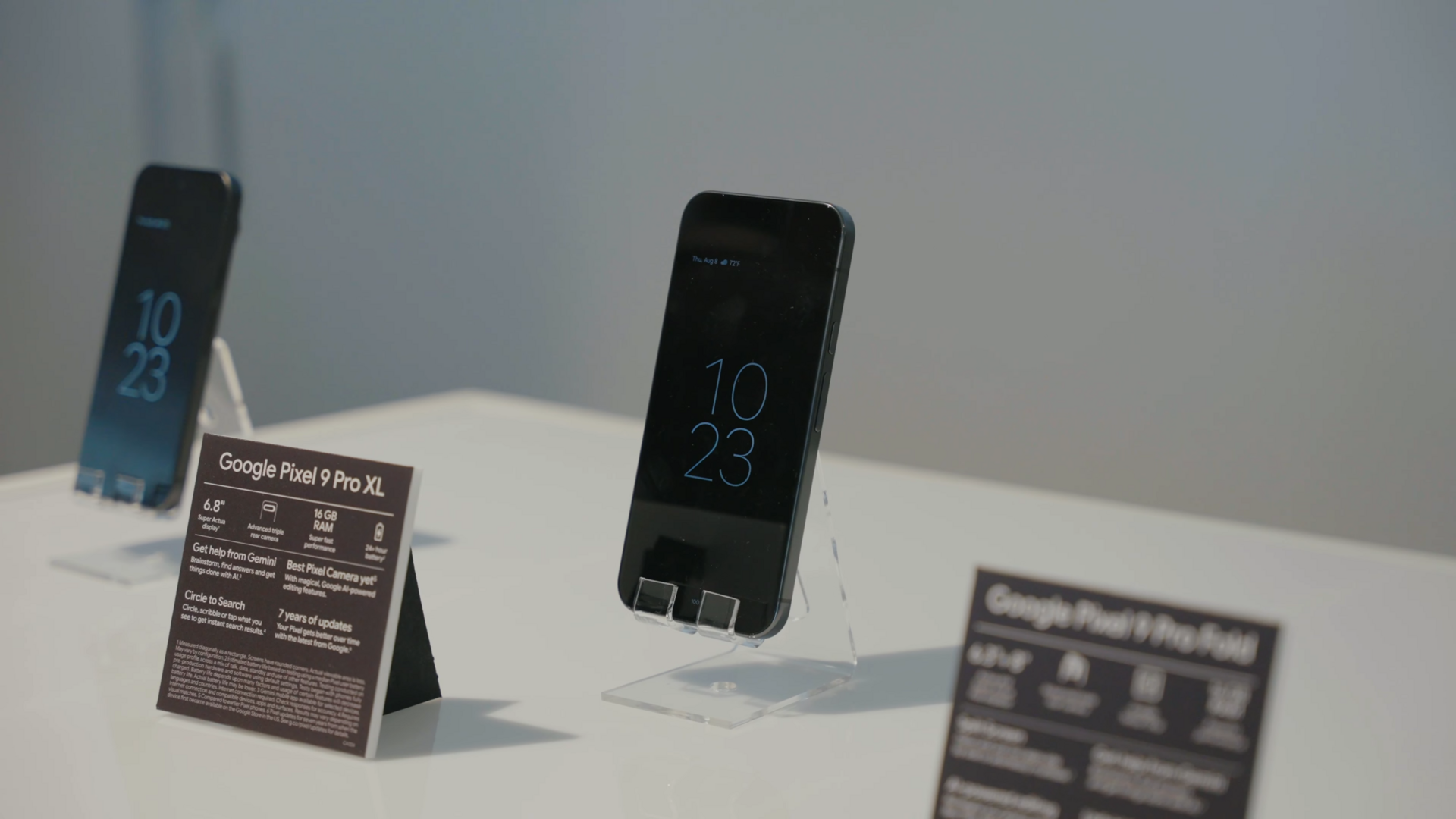
A phone launch is a ceremony at which companies explain how inadequate your perfectly functional phone became overnight. The new device is brighter in sunlight, more intelligent about photographs and able to summarise messages you could have read during the presentation. Reviewers borrow it for a week. Indian buyers may live with it for four years.
That difference in time horizon changes my recommendation. I increasingly think the sensible premium purchase is a previous-generation flagship bought after discounts, provided the manufacturer offers long software support and credible repairs in your city. Google’s published Pixel update policy and Samsung’s security-update scope illustrate how support has become a genuine product feature. Neither page can tell you how pleasant a service visit will be, but both matter more than another camera macro mode.
Indian ownership begins after the review embargo
Our climate is hard on batteries. Many users navigate, stream and hotspot through heat while charging opportunistically. Dust enters cases and ports. Phones are dropped on tile, carried through monsoons and repaired in cities where official parts may require travel or waiting.
A launch review can measure charging speed. It cannot fully measure how the battery behaves after five hundred cycles, whether an update introduces drain, or how long a replacement display remains available. That is why I read owner forums months later and ask service centres about parts before admiring benchmark charts.
A discounted older flagship has an advantage: its faults are known. Battery behaviour, modem quality, camera bugs and update history have accumulated evidence. The newest phone offers possibility; the older one offers data.
Performance headroom has exceeded ordinary need
Premium processors are astonishing, but most Indian users spend their time in WhatsApp, Instagram, banking apps, maps, video and the camera. Last year’s flagship handles these tasks without moral strain. Even demanding games are more affected by sustained thermals and network quality than a brief benchmark victory.
The meaningful differences are mundane: does the phone keep mobile data stable inside a concrete building, does it remain comfortable during navigation, can it capture a moving child without blur, and does the battery reach bedtime on a bad network? Spec sheets treat these as footnotes because they are harder to dramatise.
AI features deserve particular suspicion. Some are useful—call screening, transcription and photo search can save time. Others are keynote confetti that depends on cloud availability, language support or a subscription introduced later. I will not pay a large launch premium for a feature whose business model remains a future surprise.
Repairability is part of the price
A ₹70,000 phone with an expensive, slow repair channel is not necessarily better value than an ₹55,000 phone supported by a nearby service network. Buyers should price a likely battery replacement and accidental screen damage before purchasing. Insurance terms should be read, not admired in a checkout banner.
Brands also need to publish longer parts-availability commitments. Software support without hardware support is a half-promise. Seven years of updates are not useful if an original battery becomes difficult to obtain in year four.
I recognise the counterargument: buying the latest model maximises remaining support and may bring meaningful efficiency gains. Correct. If a new generation fixes a poor modem, weak battery or major durability problem, pay for the correction. My objection is to automatic novelty, not improvement.
My two-year checklist is deliberately boring
I would prioritise stable connectivity, battery health controls, a bright but efficient display, dependable cameras, water resistance, update history and a service centre I can actually reach. Storage matters more than a small processor upgrade because Indian families accumulate years of photographs and WhatsApp media. A good case matters more than a titanium adjective.
I would then compare the outgoing flagship, the newest upper-midrange model and a new flagship. Often the older premium phone still provides better cameras, haptics, speakers and build, while its discount absorbs the cost of a future battery replacement. Buy from an authorised seller, verify the warranty and avoid suspiciously old stock.
Launch-day excitement is harmless entertainment. It becomes expensive when mistaken for ownership advice. The phone you enjoy after two summers, three major updates and one repair is the better product. Everything before that is lighting.