A year is when a phone stops being an event and becomes an object you blame for things. The case has yellowed, the battery no longer inspires graphs, the camera roll is full, and the launch keynote feels like footage from another civilisation. That is the moment I trust. I have lived with the iPhone 17 through Indian summer heat, monsoon humidity, unreliable 5G handovers, crowded trains, banking apps and the daily abuse of being the device used for everything. My verdict is boring, which is praise: it has remained consistently good.
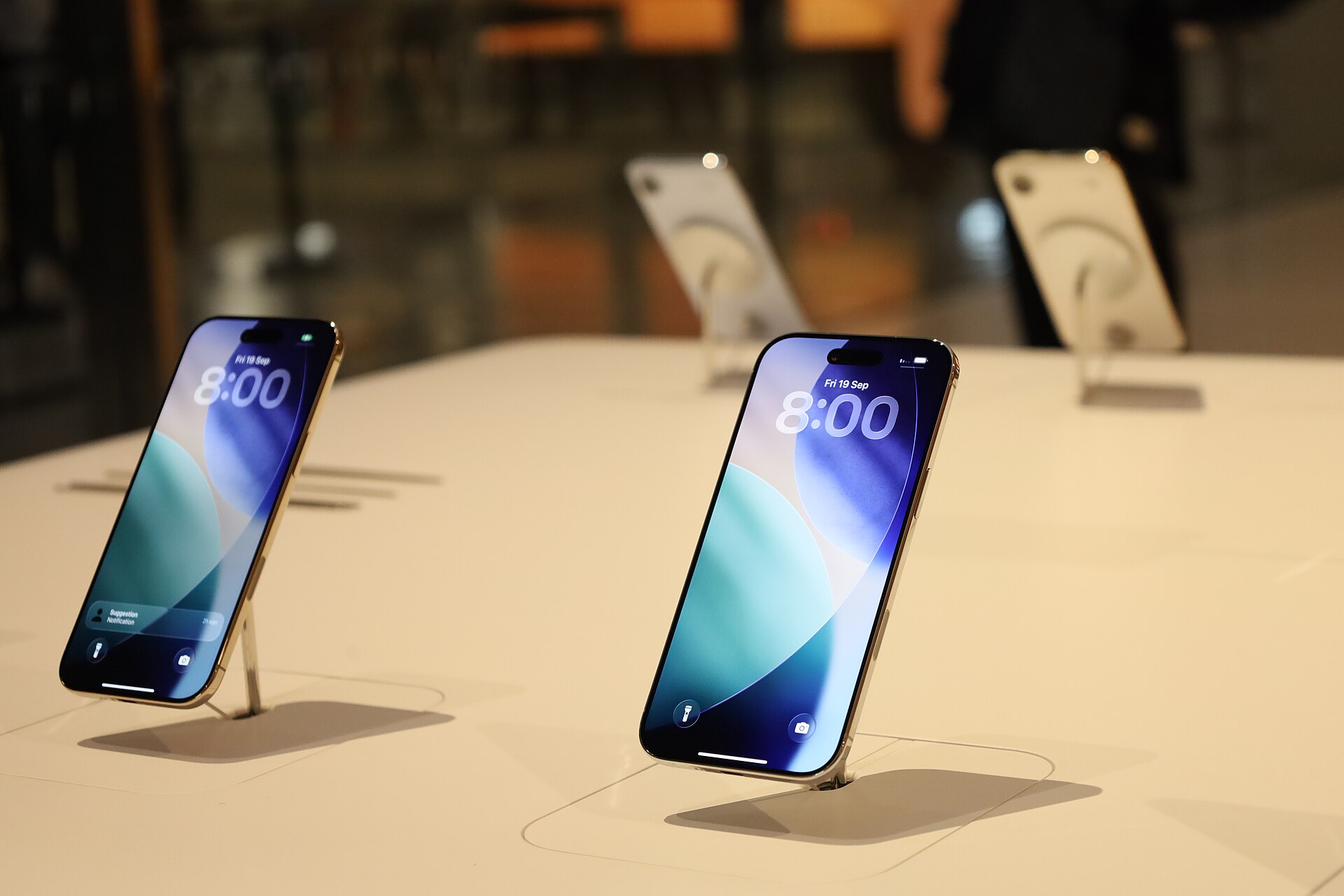
Apple launched the base iPhone 17 with a 6.3-inch high-refresh-rate display, 256GB starting storage and its A19 chip; the company’s original announcement lists the launch configuration and Indian price. The detailed technical page records its dimensions, display and resistance rating. Those facts mattered when buyers compared boxes. After a year, what matters is whether the screen remains readable outside, whether battery anxiety begins before dinner and whether the phone survives the repair counter without requiring a minor loan.
The display upgrade changed daily use, not my personality
Apple’s decision to give the ordinary model a 120Hz display removed one of the most irritating examples of premium segmentation. For years, far cheaper Android phones scrolled more smoothly while Apple reserved fluidity for Pro buyers. The iPhone 17 corrected that without turning scrolling into a spiritual experience. It simply made a costly phone feel appropriately responsive. After twelve months, I notice the benefit most when reading long pages and moving through maps, not while admiring animations for their own sake.
Outdoor visibility has held up well in harsh light, though peak-brightness claims remain laboratory theatre if the phone dims under sustained heat. Indian ownership repeatedly exposes the difference between maximum and maintainable performance. Leave navigation running on a dashboard in May and every phone negotiates with physics. The iPhone 17 manages heat better than some slim rivals I have used, but it is not exempt. Brightness falls, charging slows and the camera can become reluctant during prolonged use. That is normal; marketing should admit it.
The A19 chip is excessive for messaging, payments and social media, which is precisely why it ages comfortably. I have not experienced meaningful slowdown in normal use. Games run well, photo processing remains quick and app switching is dependable. Yet chip performance is no longer the decisive ownership difference at this price. Network stability, storage, battery health and service access shape daily satisfaction more than a benchmark victory. Buying a flagship solely for processor headroom is like buying a commercial kitchen to make toast.
Battery life is good; battery economics are less charming
The phone reliably completed my day when new. A year later, heavy navigation, camera use and 5G can require an evening top-up. That decline is not scandalous. Lithium-ion batteries age, hot climates accelerate stress and my usage is unfriendly. What annoys me is the industry’s habit of treating battery replacement as an embarrassing afterthought. If a phone receives years of software support, a reasonably priced, widely available battery replacement should be part of the product promise rather than a service-centre adventure.
Apple’s authorised network is broader than it once was, and service procedures are generally more predictable than those of small brands. Predictability does not mean affordability. A damaged display or back can transform a satisfied owner into an amateur insurance analyst. AppleCare changes the calculation but adds another upfront cost. Buyers comparing an iPhone with a ₹40,000 Android should compare three-year ownership, including protection, battery and likely repairs, not merely discounted festival prices.
The shift to 256GB as the base capacity was overdue and useful. In India, families keep phones longer, share videos constantly and cannot assume cheap, fast connectivity everywhere. More local storage delays the monthly cloud conversation. Yet Apple’s upgrades remain priced to push buyers toward subscriptions or painful upsells. Storage is not decorative luxury in a device marketed for high-resolution video. It is working space. I would rather lose a colour option than pay an extravagant premium for ordinary memory.
Battery charging remains conservative compared with Android flagships. I understand Apple’s preference for longevity and thermal control, but there is a sensible middle between cautious charging and the three-digit-wattage circus. A quicker thirty-minute refill would materially help commuters and travellers. Wireless charging is convenient at a desk and inefficient in a hot room. I use it sparingly because convenience that produces extra heat is not automatically kindness to the battery.
The camera wins through consistency, not zoom mythology
The base iPhone’s cameras remain dependable for people, pets, documents and video. Skin tones are usually restrained, autofocus is trustworthy and different apps handle camera access predictably. Android rivals may produce more dramatic night images or offer stronger zoom hardware. I have missed a telephoto lens, especially at school events and performances where walking closer is impossible. At this price, Apple’s continued use of camera count to separate base and Pro models feels calculated rather than technically inevitable.
Video remains the reason I recommend the iPhone to people who record work rather than merely collect photos. Stabilisation, audio and exposure transitions are consistent, and files move cleanly through common editing workflows. But the camera’s greatest advantage is social: accessories, apps and collaborators expect it. Ecosystem convenience can look like technical superiority even when competing hardware is excellent. Buyers should recognise what they are paying for—reliability and compatibility, not magic.
Software has been stable, though Apple’s intelligence features have not transformed my life. The useful improvements are smaller: transcription, search, call handling, privacy controls and the way devices hand tasks to one another. AI marketing wants every phone to appear newly sentient. In practice, I value a phone that identifies text, cleans up a note and does not invent confidence. Apple is neither uniquely brilliant nor uniquely behind here. The entire industry is shipping demonstrations faster than dependable habits.
iOS still imposes unnecessary friction if you live across platforms. File management is better but not natural, notification handling remains less flexible than Android, and some defaults seem designed to remind you whose garden you entered. On the other hand, app quality, accessibility and long software support remain strong. I would not tell an Android power user that the iPhone is objectively simpler. It is simpler when your preferences resemble Apple’s. Otherwise, the simplicity can feel like a locked cupboard with elegant hinges.
The strongest counterargument to buying an iPhone 17 now is the Android market. Phones costing substantially less offer bright high-refresh displays, huge batteries, rapid charging and capable cameras. Some provide longer stated update commitments than they once did. If your budget is stretched by the iPhone, do not buy it for status or imagined productivity. A phone cannot justify financial discomfort through resale value alone. The best device is the one you can repair without postponing rent.
After a year, the iPhone 17 succeeds because it rarely demands attention. Its display is finally appropriate, performance remains effortless, cameras are dependable and the base storage is humane. It disappoints through familiar Apple economics: repairs, storage tiers, accessory costs and calculated camera omissions. I would recommend it to someone already invested in Apple’s ecosystem who plans to keep it four or five years. I would not recommend upgrading from a healthy recent iPhone. The most mature response to launch hype is often to replace the battery and go outside.