
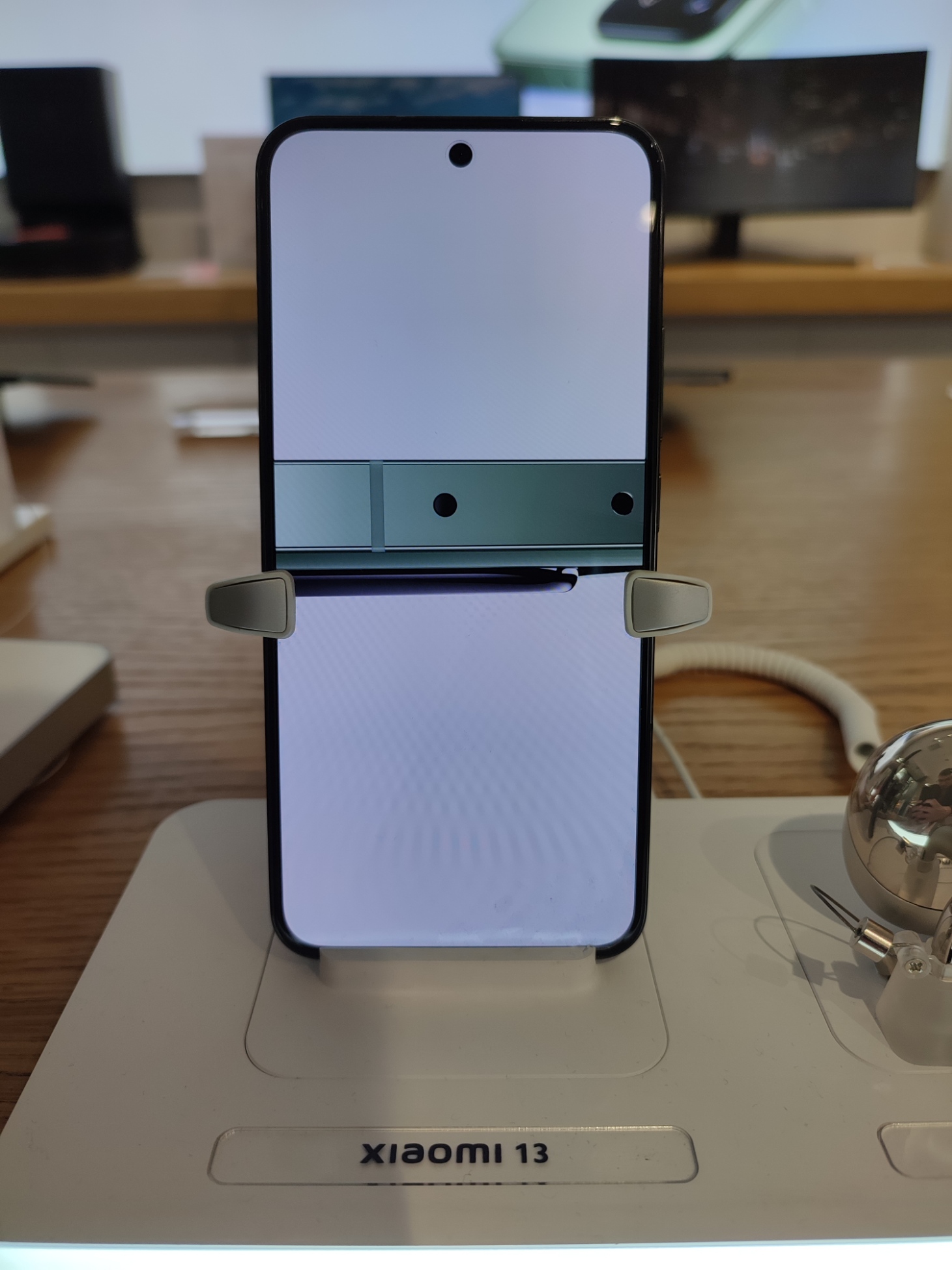
The Mivi One 5G arrives carrying a burden no specification sheet can display. It is not merely another affordable Android phone; it is an Indian audio brand asking buyers to trust it with the device that holds their payments, photographs, work messages and family arguments. Public reports, including India Today’s launch coverage, describe familiar attractions: a large battery, 5G connectivity and a mainstream Qualcomm platform. Fine. Those details tell me what the phone is on day one. They do not tell me what it is like on day 600.
I have no patience for launch-event patriotism. Buying an Indian brand can be a reasonable preference, but a ₹10,000 or ₹15,000 phone is not a flag pin. For many buyers it is a significant household purchase expected to last years. They deserve the same hard questions we ask of Samsung, Xiaomi, Vivo or Motorola: How quickly are security patches delivered? Can a cracked screen be replaced in a small city? Does the camera app become unstable after updates? Is the battery available after eighteen months?
Mivi’s entry is interesting precisely because the budget market needs competition. Chinese brands became dominant by combining aggressive hardware, distribution and increasingly competent service. An Indian challenger will not displace them by printing “designed in India” on a box. It must outperform their ownership experience where they have become complacent.
The temptation will be to treat first-sale numbers as proof that the bet has worked. I would resist that conclusion. Discounts can move inventory and curiosity can create a queue, but neither reveals whether buyers will remain satisfied once the launch offers disappear. Mivi should publish useful operating evidence over time: the share of repairs completed within its promised window, the age of the oldest model still receiving patches and the availability of common spares. I am not asking for a victory lap or a confession. I am asking for the ordinary evidence by which a new phone brand becomes a dependable one.
Hardware is now the easy audition
The modern affordable phone supply chain allows brands to assemble a respectable package from known components. A Snapdragon chip, high-refresh display, large battery and multiple cameras can produce an impressive comparison table. The differences emerge in integration: thermal management, modem tuning, standby drain, camera processing, touch response, microphone quality and software stability. These are difficult to evaluate during a forty-eight-hour review cycle.
A budget processor may feel smooth in a clean unit and struggle after months of app updates, WhatsApp media and background services. A 6,000mAh battery can still disappoint if software prevents deep sleep or the cellular radio hunts constantly for signal. A nominally high-resolution camera can ruin skin tones indoors. None of this is unique to Mivi. That is the point: it must be judged as a phone company, not indulged as a national project.
I would like Mivi to publish the practical details prominently. State the number of Android version upgrades and years of security support. Explain whether updates are monthly, quarterly or aspirational. List service locations, repair turnaround targets and indicative prices for the display, battery, charging port and back panel. A buyer should not discover after an accident that the replacement screen costs half the phone or must travel across states.
Brands often resist repair-price publication because parts costs change. Publish a range, then. Transparency itself builds confidence. Nothing makes a new entrant look less prepared than a support agent asking the customer to wait indefinitely while the company “checks availability”.
I would also want the warranty process tested in the open. Does a customer receive a written diagnosis, a firm estimate and a record of the parts used? Is water damage assessed consistently rather than invoked as a convenient excuse? Can a buyer escalate a disputed repair without spending days on calls? These questions sound mundane only to people who have a spare handset and free time. For everyone else, predictable procedure is part of the hardware. Mivi can earn an advantage here precisely because it is building the system now, without having to defend years of bad habits.
Clean software must remain clean
Indian budget phones have historically been tempted by preloaded applications, promotional notifications and dubious utilities because margins are thin. I understand the economics and reject the experience. A buyer should not subsidise a handset through lock-screen advertisements or apps that cannot be removed. If Mivi wants a differentiator, it should offer restrained software and keep it restrained after updates.
That last clause matters. Some phones launch clean, receive praise and later acquire recommendations, shopping widgets and extra app stores. Consent becomes a box hurriedly tapped during setup. Mivi should separate essential system components from commercial additions, make optional apps removable and provide clear controls for notifications. Trust is easier to lose through one spammy update than to rebuild through ten advertisements about privacy.
Security is especially important because affordable phones are central to India’s digital-payment ecosystem. Patch delays are not an enthusiast complaint. UPI, banking and identity documents live on these devices. The company need not promise flagship-level longevity at a budget price, but it must make a credible commitment and meet it. Two years of reliable, scheduled support is worth more than a decorative macro camera.
Reviewers have a role after launch too. I would rather read a six-month follow-up on battery drain, call quality and patch delivery than another article comparing camera megapixels. Keep a retail unit, fill its storage, use it on a weak mobile network and report what changes. If an update fixes a fault, say so. If it introduces advertising or breaks a feature, say that too. A young brand deserves a fair test, but fairness means sustained scrutiny rather than a burst of attention while the affiliate links are fresh.
The service network is the product
Large brands have service weaknesses, but they possess networks, logistics and parts systems developed over years. Mivi’s audio business gives it some consumer-support experience, yet smartphones are more complex and more urgent. A failed earbud is irritating; a failed phone can interrupt work and payments. The company needs walk-in support or a dependable pickup system with loaner options for lengthy repairs.
Quality control will determine the workload. A small defect rate applied to large sales can overwhelm a young service operation. Mivi should expand gradually, monitor recurring failures and communicate openly if a batch has a problem. New brands sometimes fear that acknowledging faults will damage them. Silence damages them more, because online communities fill the vacuum with anecdotes that persist for years.
The useful measure of a service network is not the number of dots on a map. It is whether the nearest listed centre actually accepts the phone, has trained technicians and can obtain parts without vague delays. Mivi should let customers check those details before buying and should remove inactive listings quickly. It should also disclose what happens when a centre cannot repair a device: who pays for shipping, how data is protected and when replacement becomes the proper remedy. I would trust a smaller network with honest capacity more than a grand national claim that collapses at the first counter.
Retail availability also matters. Many budget buyers want to hold a phone, test the camera and purchase from a known shop. Online-only launches generate headlines and control inventory but can limit trust beyond metropolitan enthusiasts. Mivi should use regional retailers without allowing sales staff to promise imaginary features. Training a shopkeeper to explain update policy may do more than hiring another celebrity.
Patriotism cannot replace resale value
A phone’s true cost includes what happens when the owner upgrades. Established brands enjoy stronger resale value because second-hand buyers understand their reliability and parts availability. Mivi begins with little smartphone resale history. It can improve that by offering trade-in guarantees, affordable official refurbishment and battery replacement. A three-year-old phone with a fresh battery and current security patch remains useful; one without parts becomes electronic waste.
The environmental case aligns with the consumer case. Longer support, repairable construction and available spares reduce waste. If an Indian brand wants to speak about national value, it should address India’s repair economy rather than imitating sealed-device disposability. Independent repair shops need parts and documentation, with appropriate safeguards for data and warranty.
I want the One 5G to succeed because a competitive Indian brand could pressure the entire affordable segment. But success is not a sold-out first batch. It is the owner who recommends the phone after two monsoons, a battery cycle count nobody advertised and one painless repair. Mivi has completed the easy part: launching a device that appears competent on paper. Now comes the long examination, conducted not under stage lights but at service counters.
No comments yet -- be the first to weigh in.