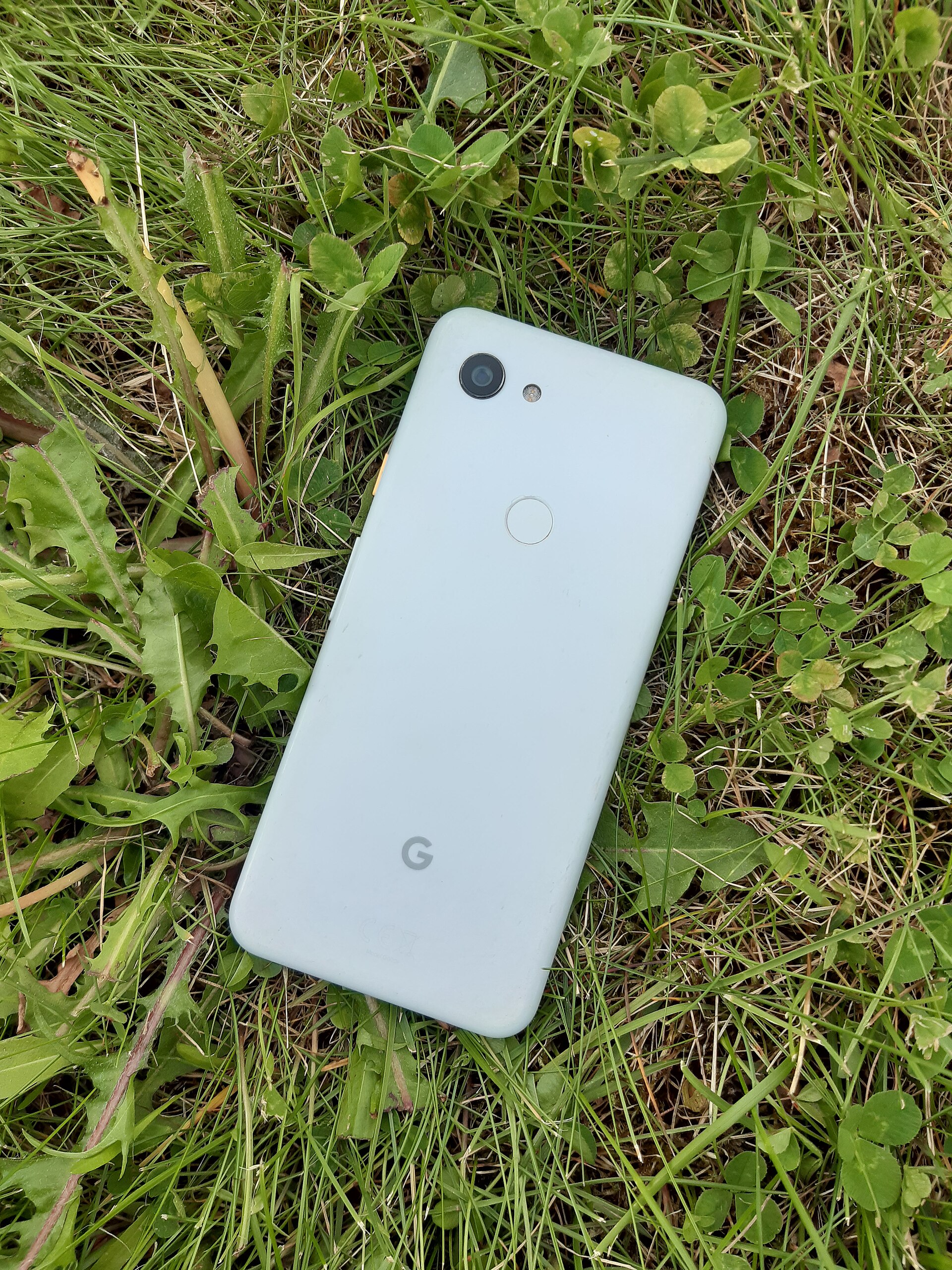
The Pixel 10 is the sort of phone reviewers enjoy for two weeks. The camera produces flattering evidence, the software contains small acts of intelligence, and Google’s version of Android feels coherent beside interfaces that arrive carrying a casino of duplicated apps. None of that tells me whether an Indian buyer should own it for two years.
Google’s official specification page lists a 6.3-inch display, 12GB of memory, 256GB of storage and a 4,970mAh typical battery. More revealingly, Google now offers an Indian mail-in repair estimator. I am glad the tool exists. I am also amused that the least glamorous page in the store tells us more about long-term ownership than the keynote did.
A specification is a promise under ideal conditions
Peak brightness is measured under conditions most people do not reproduce. Battery claims depend on usage mixes no two owners share. Camera rankings compress colour preference, motion handling and reliability into a score. Launch coverage then compares devices as though ownership were a spreadsheet tournament.
In India, the meaningful test includes summer heat, patchy mobile networks, dust, long navigation sessions and chargers borrowed from relatives. A phone constantly searching for signal can consume power very differently from one living on office Wi-Fi. A bright screen is useful outdoors, but heat management decides whether performance and charging remain consistent.
The Pixel’s attraction is still software. Call screening, spam protection, clean transcription and excellent computational photography can improve ordinary use. Google often understands the difference between a feature demonstrated on stage and a feature encountered daily. The problem is that intelligence does not exempt hardware from physics or service logistics.
Repairability is part of the purchase price
A ₹75,000-class phone is not merely expensive on the day it is bought. It creates a future exposure: display damage, battery replacement, charging-port failure and accidental water ingress. If the authorised repair route requires shipping the device away, the owner must plan for downtime, data backup and uncertainty.
Google has expanded its Indian presence, and that deserves acknowledgment. Pixel ownership is no longer the enthusiast import adventure it once was. But Samsung and Apple spent years building service familiarity, parts channels and resale confidence. Google cannot benchmark itself only against its own weaker past.
The repair estimator should show parts, labour, taxes and expected turnaround clearly. Service centres should diagnose without treating every fault as a board replacement. Battery replacement must become routine and reasonably priced because long software support is meaningless if the consumable component is inconvenient to renew.
Seven years of updates do not guarantee seven useful years
Long support is good policy. It reduces the absurdity of capable hardware becoming insecure because the vendor grew bored. But buyers should not confuse update eligibility with enjoyable longevity. Storage fills, batteries degrade and newer software can become heavier. Accessories disappear from shops once the next model arrives.
Google should publish a long-term performance commitment: security support, parts availability, battery-service duration and minimum repair coverage. If the company wants environmental credit for extended updates, it must support the hardware required to receive them.
I would also like reviewers to revisit phones after twelve and twenty-four months. Has battery life changed? Did updates introduce modem issues? Are replacement screens available? What price does the phone command used? These questions would embarrass the launch industry, which is precisely why they matter.
The camera is excellent, but consistency beats spectacle
Pixels remain unusually good at producing usable photographs without negotiation. Skin tones, motion and difficult indoor light are more important to me than photographing the moon. The best camera phone is the one that handles a child moving in a poorly lit room, not the one that wins a landscape comparison after five attempts.
Yet camera excellence has become table stakes in the premium segment. Google cannot charge flagship money and ask buyers to forgive slower charging, uncertain thermal behaviour or a thinner service network because portraits look lovely. The entire device must be judged at the price paid in India, not against Google’s design philosophy.
There is also a privacy tension. Many intelligent features require users to trust the company that already sits at the centre of their search, mail, maps and advertising life. On-device processing is welcome where available, but Google should explain plainly which data leaves the phone and how optional features can be disabled. Intelligence without legibility becomes surveillance by ambience.
Who should buy it?
I would recommend the Pixel 10 to someone who values camera reliability, clean software and Google’s call-related tools, keeps good backups and lives within reach of a dependable service route. I would not recommend it automatically to a buyer whose priority is maximum battery endurance, very fast charging, gaming performance or the easiest walk-in repair.
Discounts complicate the verdict. A Pixel bought substantially below list price can be excellent value; the same phone at launch pricing faces brutal competition. That is another reason reviews should state the price at which their recommendation holds. “Good phone” is not an economically complete sentence.
Ownership should replace unboxing as the industry’s unit
Indian technology coverage remains addicted to first impressions because launches are frequent and affiliate links reward urgency. Consumers, however, do not replace a premium phone every fortnight. They live with small annoyances long after the embargo lifts.
Google has done the difficult work of making the Pixel desirable and the necessary work of extending support. It must now do the boring work of making ownership predictable. Parts, batteries, repair time, trade-in value and communication during failure are not after-sales footnotes. They are the product continuing to exist.
I like the Pixel 10. That is not the same as trusting it blindly for two years. Trust will be earned not by another AI feature but by the day an owner drops the phone, receives a transparent estimate and gets it back without drama. The real review begins when the promotional wallpaper is gone.