Indian festivals produce an industrial quantity of adjectives. Every idol is magnificent, every pandal iconic and every decoration unprecedented until the next lane. A quieter Ganpati displayed at the Pune Festival carried a more interesting distinction: it was made by prison inmates. The Indian Express report described inmates shaping an idol that would be welcomed into a major public celebration. The symbolism is obvious enough to make a public-relations officer levitate. People separated from society created an object society received with devotion. But symbolism is cheap unless it changes what happens after the photographs. The important question is whether the project treats incarcerated people as craftspeople capable of work and reintegration, or merely as moving content for everybody else.
Redemption photographs easily
Institutions love rehabilitation stories because they are emotionally efficient. A craft workshop, a smiling official and a finished object imply transformation without requiring the public to examine prison conditions, wages, training quality or post-release employment. I do not dismiss the workshop. Making something well can restore routine, concentration and pride. Learning a marketable skill can reduce the brutal discontinuity between custody and release. But an isolated object cannot carry the entire moral weight of rehabilitation.
The programme should be judged by mundane details. Did participants choose to join? Were they paid fairly? Did they receive recognised certification? Can they continue the craft after release? Are tools, mentors and markets available? Did the prison protect their identities where necessary? These questions are less photogenic than the idol. They determine whether the effort changes a life or decorates an institution’s annual report.
We want reformation without re-entry
Public rhetoric insists that prisons should reform people. Public behaviour often ensures that anyone with a record remains permanently marked. Employers reject applicants, landlords refuse tenants and documentation gaps make ordinary administration difficult. Families may have fractured. A person can complete a sentence and discover that society has quietly added another one with no fixed end.
Skill programmes matter because they create evidence of competence, but stigma does not disappear before competence alone. Governments and industry associations should build placement partnerships, apprenticeships and small-business support for released prisoners. Records must be handled according to law, safety and the nature of the offence, yet blanket exclusion is intellectually lazy. If we believe no person can change, rehabilitation budgets are theatre. If we believe change is possible, re-entry must have institutional doors.
Craft is labour, not therapy alone
Calling craft therapeutic can accidentally erase its economic value. Sculpting an idol requires design, material knowledge, patience and manual control. The maker is producing an object for a market and should be compensated as a worker, with transparent deductions if law permits them. Earnings can support families, victim compensation where applicable or savings for release. Payment also conveys a crucial message: society values the work, not merely the moral lesson observers extract from it.
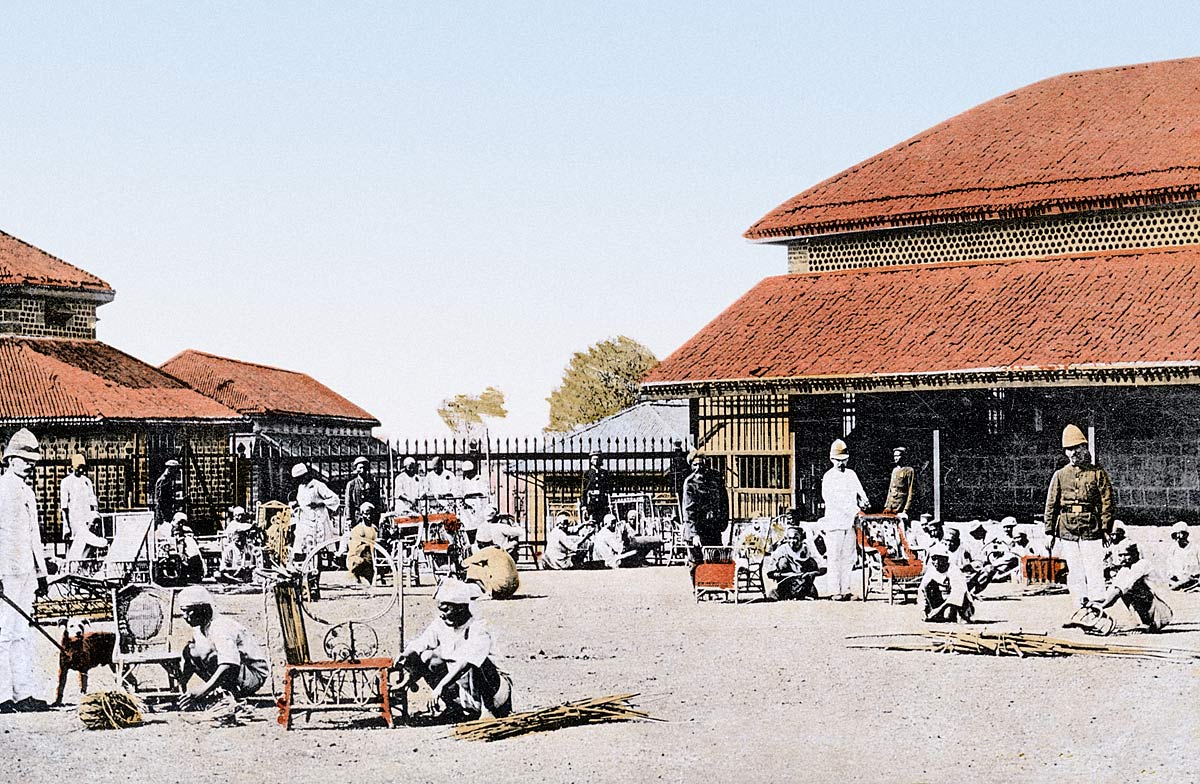
India has a long tradition of prison industries, from textiles to furniture and food. Quality varies, as do working conditions. Public procurement can create stable demand, but captive labour must not become cheap labour used to undercut outside workers. Independent inspection, voluntary participation and clear wage rules are essential. Rehabilitation should not acquire a business model that depends on powerlessness.
The idol complicates purity
Religious objects are often surrounded by ideas of purity, worthy hands and prescribed processes. A prison-made Ganpati gently disrupts those instincts. The object asks whether a maker’s legal status contaminates creation or whether creation can participate in repair. I favour the second answer. Devotion that cannot accommodate human fallibility has very little use for humans.
This does not mean sentimentalising crime or erasing victims. Public discussion frequently behaves as if concern for rehabilitation insults those harmed. In fact, a system that reduces reoffending protects future victims. Accountability and reintegration are not opposites. A sentence can express condemnation while education and work prepare someone to live lawfully afterward. The hard moral position is to hold both ideas; the easy positions are vengeance without future or compassion without responsibility.
What festivals could do
Festivals command money, networks and public attention. Organisers could commission work from rehabilitation programmes throughout the year, not as a single novelty. They could provide training briefs, quality feedback and direct sales channels. Labels should credit makers collectively without turning individual histories into spectacle. Audited proceeds and wage information would prevent charitable language from hiding free labour.
Environmental standards matter too. Idol-making programmes can teach natural materials, safe pigments and responsible disposal, creating skills aligned with changing regulation and consumer preference. The Pune story can therefore connect rehabilitation with sustainable craft rather than relying only on sentiment. A good programme solves several practical problems modestly.
The public likes a completed arc
News stories favour neat endings: inmate learns craft, idol reaches festival, hope restored. Real re-entry is untidy. Someone may struggle, relapse into instability, change jobs or need years of support. Programmes must survive outcomes that do not fit inspiration. Counselling, housing, identification documents, substance-use treatment and family mediation may matter more than the ceremonial moment.
The Indian Express account of the Dastkari Haat Crafts Bazaar shows how markets, demonstrations and organisations sustain handmade traditions through continued relationships. Prison craft requires the same ecosystem logic. Skill without a buyer is a pastime; a buyer without fair terms is exploitation.
Look past the uplifting caption
I am moved by the prison-made idol, though movement is not policy. Its value lies in making a harder claim visible: people in custody remain capable of discipline, imagination and contribution. Society benefits when that capacity is cultivated. We should not reduce the makers to either their offences or our redemption narrative.
The loudest festival installation will be dismantled and forgotten. This smaller story could matter longer if it produces certified skills, fair wages and employment after release. Ask those questions the next time an institution offers an uplifting photograph. Hope is admirable. Payroll records, placements and lower reoffending are better.