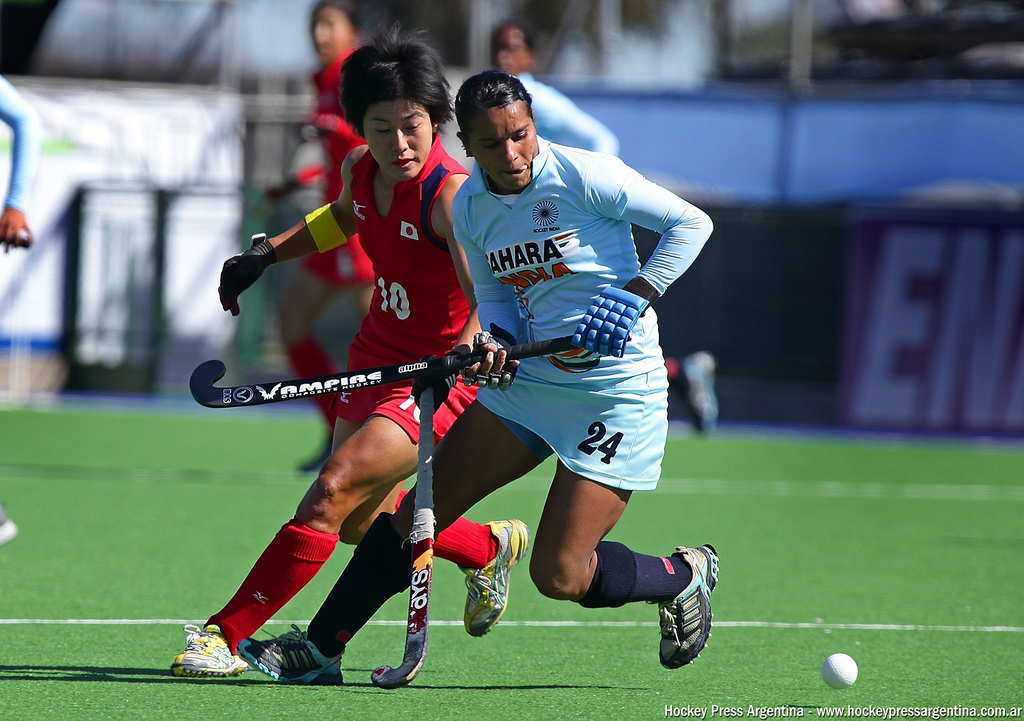
India’s women defeated China for Asian Games gold and secured a place at Los Angeles 2028. I wish I could simply enjoy that sentence. Instead, experience makes me suspicious of the applause. We are very good at loving non-cricket athletes during medal ceremonies and exceptionally poor at building the ordinary weeks that make those ceremonies possible.
The result was historic. The International Hockey Federation reported that India returned to the top of the Asian Games podium after 44 years, beating the Paris Olympic silver medallists and earning direct Olympic qualification. This was not a decorative gold in a weak field. It was a high-pressure victory with an enormous practical prize.
Qualification changes the next two years
Direct entry to LA28 removes the danger of a late qualifying tournament in which one poor quarter can erase years of preparation. Coaches can periodise workloads, test combinations and give younger players serious minutes without every experiment being interpreted as a crisis. Administrators can schedule tours around development rather than panic.
That advantage must not become complacency. India’s wider Asian Games campaign produced 85 medals, according to the Indian Olympic Association’s summary. The breadth is encouraging, but medal totals conceal uneven ecosystems. A successful national camp can carry a hockey team for a tournament. It cannot replace a deep domestic competition that produces the next twenty international players.
I want Hockey India, broadcasters and sponsors to use this gold as leverage for a durable women’s league with meaningful match volume. A short carnival is better than nothing, but it cannot be the entire domestic architecture. Players need contracts long enough to plan their lives, coaches need full seasons, and younger athletes need visible routes from state hockey to paid competition.
Cricket’s dominance is often described like monsoon weather: regrettable perhaps, but beyond human control. That is convenient for everyone who allocates airtime. Cricket earned much of its audience through decades of broadcasting, storytelling and repeated access. Women’s hockey is usually offered to viewers at the end of a tournament and then blamed for lacking a permanent fan base.
Do not market these players as miracles
I dislike the language of miracle because it erases systems and labour. The women did not appear spontaneously in the final. They came through academies, state units, national camps, international tours, injury rehabilitation and countless matches watched by tiny crowds. Calling victory miraculous allows administrators to enjoy credit without explaining the pipeline.
Coverage should make players familiar before the Olympics. Tell us who takes penalty corners and why. Explain the press, substitutions and goalkeeper rotations. Follow selection contests without turning every omitted player into a scandal. Sport becomes compelling when audiences understand its details and recognise its protagonists.
The men also won Asian Games gold, completing a remarkable double. I celebrate that. Yet history tells me the men’s result will more easily enter the national sporting memory, partly because the male game has stronger inherited visibility. Equality does not mean ignoring that difference. It means spending deliberately to close it.
Public-sector employers once gave Indian athletes stability, but modern elite sport also needs private sponsorship, sports science and professional competition. The federation should publish a four-year women’s programme: international windows, domestic league dates, junior camps, coaching appointments and injury protocols. Transparency would let everyone judge whether gold produced structural change.
Pay and welfare are performance issues
When a player worries about delayed allowances, insecure employment or rehabilitation costs, those are not sentimental side stories. They affect performance. Central contracts and insurance should extend beyond the small group certain to make every squad. A national programme needs a broad bench, and a broad bench cannot live indefinitely on promises.
State governments will announce cash rewards. Good; athletes have earned them. But one-off cheques should not be mistaken for policy. Spend on safe pitches, women coaches, strength facilities, nutrition and travel for junior teams. A photograph with a medallist is cheaper than maintaining a district programme, which is precisely why politicians prefer the photograph.
I would also invest in regional hubs rather than assuming every talented girl can relocate permanently to one centre. Families are more likely to support sport when training and education can coexist. India loses athletes not only to selection but to distance, safety concerns and the cost of continuing.
The counterargument is commercial: broadcasters cannot manufacture demand. True, but they routinely manufacture familiarity. Schedule matches predictably, promote them across major cricket telecasts, make highlights freely shareable and put players in studios as analysts. Demand grows through repetition, not moral lectures.
A medal is a starting gun
Direct Olympic qualification gives India something scarce: time. The team should play leading European and Oceanian opponents often enough that their speed no longer feels unfamiliar in Los Angeles. Results in experimental series should be tolerated if the purpose is clear. Our sports culture must learn the difference between preparation and failure.
The gold also offers a model for other women’s sports. Invest across a cycle, secure high-quality competition, retain coaching knowledge and provide athletes with financial stability. None of that guarantees a medal. It does make success less accidental and disappointment more instructive.
I have no interest in arguing that hockey should receive cricket’s exact share of attention. Markets do not divide themselves according to fairness. I am arguing for a credible share: enough broadcast time to build characters, enough league play to build livelihoods and enough reporting to hold the federation accountable.
The players have already supplied the difficult part. They beat a formidable opponent, ended a 44-year wait and removed the qualification obstacle. If India forgets them until 2028, that will not be evidence that audiences do not care. It will be evidence that institutions never gave caring a routine.