Launch-day phone reviews are weather reports written from inside an air-conditioned studio. The battery is new, the storage is empty, the screen has no scratches and the reviewer has not yet spent forty minutes on hold with a service centre. Real ownership begins later. It begins when WhatsApp occupies an indecent amount of storage, the charging cable is borrowed permanently by a relative, and a summer cab ride turns navigation, mobile data and heat into a stress test no keynote mentions.
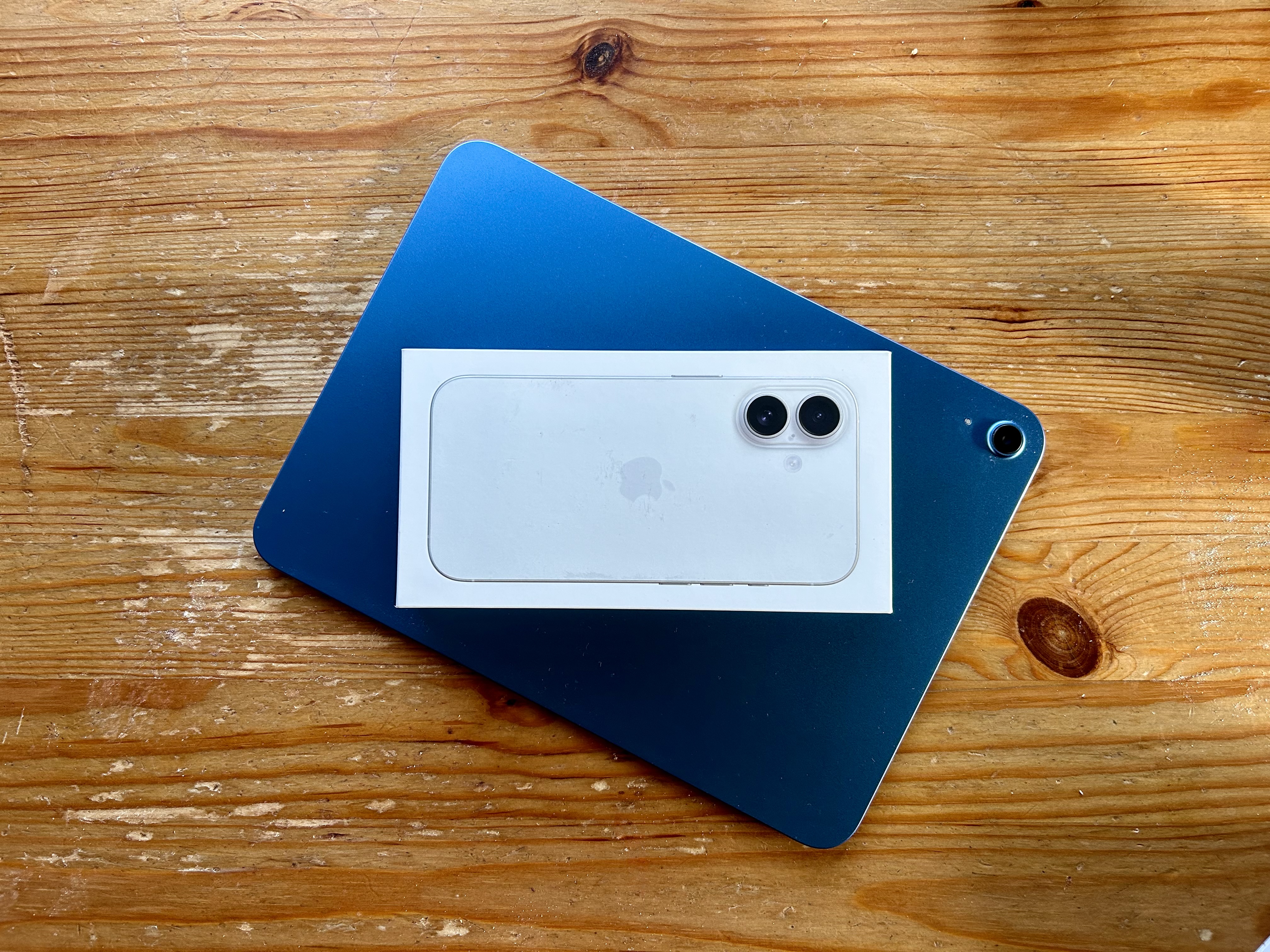
Apple introduced the iPhone 16 in 2024, and its technical specification page records the familiar essentials: a 6.1-inch OLED display, USB-C, capacities beginning at 128GB and Apple’s tightly integrated hardware. The company’s launch announcement emphasised durability, battery improvements and easier battery service. Two years later, I think the ordinary iPhone 16 has proved more sensible than exciting. That is praise, though not the sort Apple can animate on a giant screen.
The performance story is mostly absence
A good long-term phone disappears. Apps open without ceremony, camera processing remains predictable, payments work and updates do not turn the device into a reluctant antique. The iPhone 16’s chip had performance to spare at launch, and that margin matters more in year two than benchmark victory mattered in week one. I have not found normal tasks constrained by processor speed. If you edit demanding video or play graphically heavy games for long sessions, thermal limits become more visible, but most owners are not exporting cinema between metro stops.
Apple’s strength is consistency across time. Developers target a manageable device range, accessories remain available and software support historically lasts long enough for families to pass phones down. In India, this hand-me-down life is part of the value calculation. A phone may move from an early adopter to a parent, sibling or reseller. The sticker price hurts less when the device retains utility and market value.
That does not make every slowdown imaginary. Major updates can introduce bugs, background indexing can temporarily punish battery life and new features may be delayed or limited by region and language. Apple’s polished reputation sometimes causes owners to blame themselves when software behaves badly. A premium phone is still a computer with bugs, not a Swiss watch blessed by typography.
The 60Hz display remains my largest everyday objection. Apple can explain colour accuracy, brightness and power management; scrolling beside a competent Android phone still looks less fluid. In 2024, limiting the standard model this way felt like product segmentation. In 2026, it feels stingier. The screen is otherwise excellent, but “otherwise” is doing paid consultancy for a very rich company.
Battery life is an Indian climate issue
Battery health percentages encourage false precision. Two phones with the same reported capacity can feel different because signal strength, temperature, charging habits and app behaviour vary. Indian ownership adds heat, patchy networks and long dual-SIM days. A device searching for signal during a train journey works harder than one resting on office Wi-Fi.
The iPhone 16 generally survives a normal day if it began with a healthy battery and your use is not dominated by video, navigation or hotspot duty. By year two, heavy users may plan around a top-up. That is not catastrophic degradation; it is the point at which Apple’s claims meet commuting reality. The smaller phone’s comfort comes with a smaller thermal and battery envelope.
USB-C remains welcome because one cable can serve more devices, though households quickly discover that identical connectors do not guarantee identical charging speeds or data capabilities. Apple’s refusal to include a power adapter is environmentally defensible only if customers already own an appropriate one. For a first-time buyer, it is an extra expense disguised as moral progress.
Battery replacement can extend the phone’s useful life substantially, and buyers should include that cost in a four- or five-year plan. I would rather replace a battery than replace an entire device because a review channel has discovered a new adjective for bezels. The important questions are local service availability, turnaround time and whether data backup is current before repair.
The camera remains dependable, not magical
The iPhone’s camera advantage is less about winning every still-image comparison than about producing usable results consistently across photo, video and third-party apps. Skin tones and HDR decisions can still divide opinion, but the device is reliable when a child moves, a pet refuses cooperation or a family event shifts between harsh light and shadow. Video remains particularly strong.
The Camera Control button is more useful than I expected in specific situations and less transformative than Apple implied. Physical access can speed up capture, but extra controls introduce their own learning curve. Many owners will continue tapping the lock-screen icon. Hardware innovation is not invalid because people ignore it; it is simply not automatically a reason to upgrade.
Low-light processing sometimes smooths texture too aggressively, and Apple’s computational choices can make an image feel processed even when it looks impressive on the phone. Serious photographers should shoot with intention rather than assuming an expensive device understands the scene. For everyone else, consistency is the feature. The best family camera is the one that records the moment without requiring a forum tutorial.
Storage is where Apple’s base-model arithmetic becomes unpleasant. 128GB can be adequate if you use cloud storage, manage downloads and occasionally clean messaging media. It is not generous for a device sold on years of ownership and high-quality video. Paying for more internal storage at purchase is expensive; paying for cloud capacity forever is a subscription. Apple wins either way.
India changes the value equation
An iPhone is no longer a rare sight in Indian cities, but its total ownership cost remains high. Cases, adapters, storage, battery service and accidental damage all matter. Authorised repair can be costly, while unauthorised repair may complicate water resistance, parts pairing and resale. Buyers stretching their budgets for the logo should consider whether they can also afford the phone’s bad day.
Android rivals often offer higher-refresh displays, faster charging and more storage for less money. Some provide excellent cameras and longer update promises than they once did. Apple’s advantage is not that alternatives are unreliable toys. It is the coherence of the package, strong accessory support, long resale demand and familiar service processes. Whether that coherence is worth the premium depends on how long you keep a phone.
If you upgrade every year, the iPhone 16 was never the rational choice; it was participation in a cycle. If you bought it in 2024 and intend to use it until 2028 or beyond, it still makes sense. Performance remains comfortable, cameras remain dependable and software support should not be the immediate problem. A future battery replacement is more likely to improve daily life than a new titanium adjective.
I would not recommend buying one at any price simply because it is an iPhone. Compare current discounts with newer base models and strong Android alternatives. Avoid tiny savings from questionable sellers. Confirm warranty status, battery health and part history when buying used. For many Indians, a well-kept two-year-old flagship is a better purchase than a compromised new phone marketed with artificial intelligence confetti.
My final judgment is irritatingly moderate. The iPhone 16 has aged well because Apple got the fundamentals right and because excess performance becomes longevity. It has also preserved annoyances that should not exist at its price: a 60Hz display, ungenerous base storage and expensive ownership around the device. The phone is not magical, revolutionary or obsolete. It is a durable tool wrapped in ruthless segmentation. Own it for years and the bargain improves. Upgrade because a launch event made your perfectly good screen feel emotionally outdated, and Apple’s bargain improves instead.