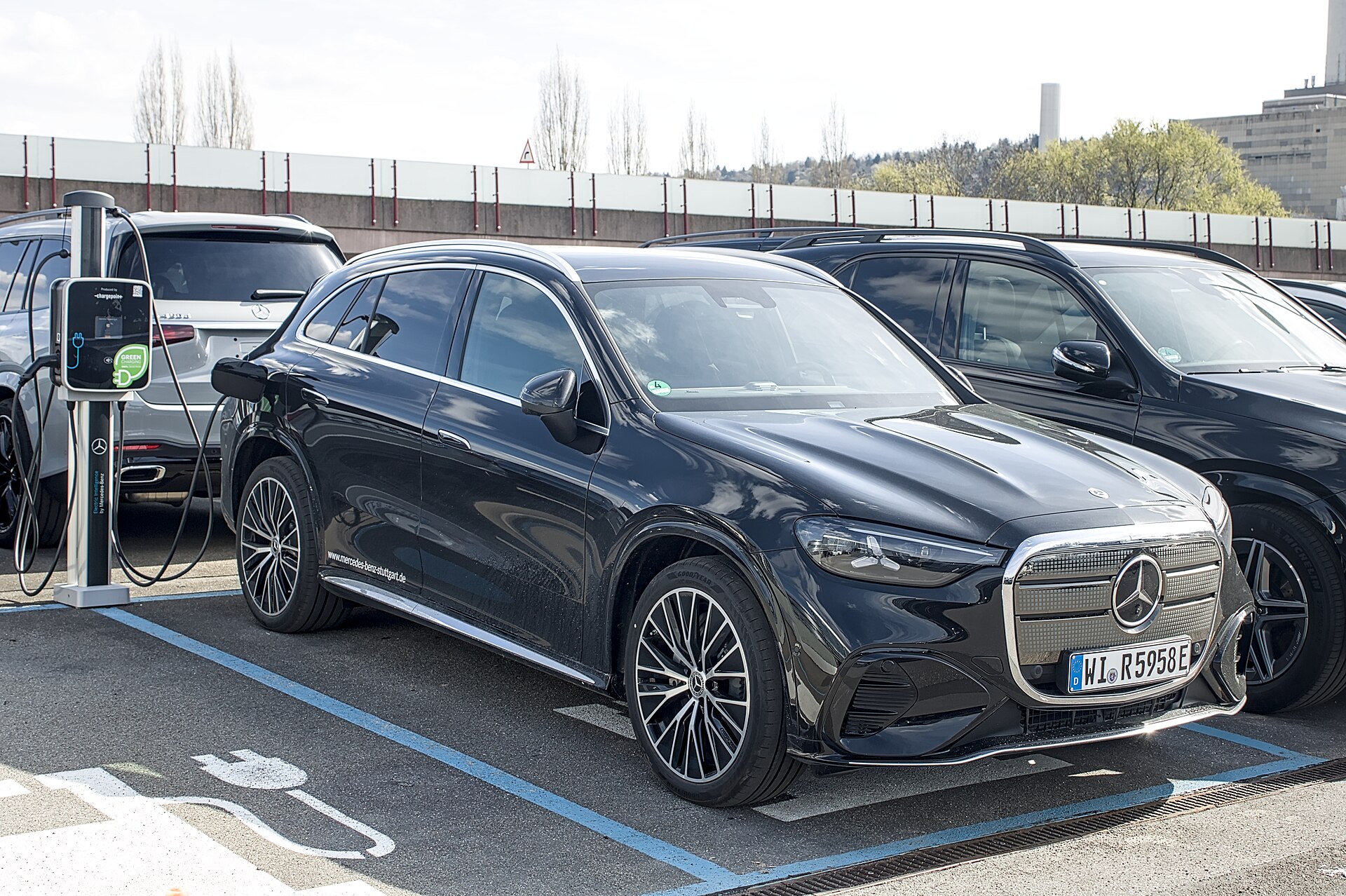
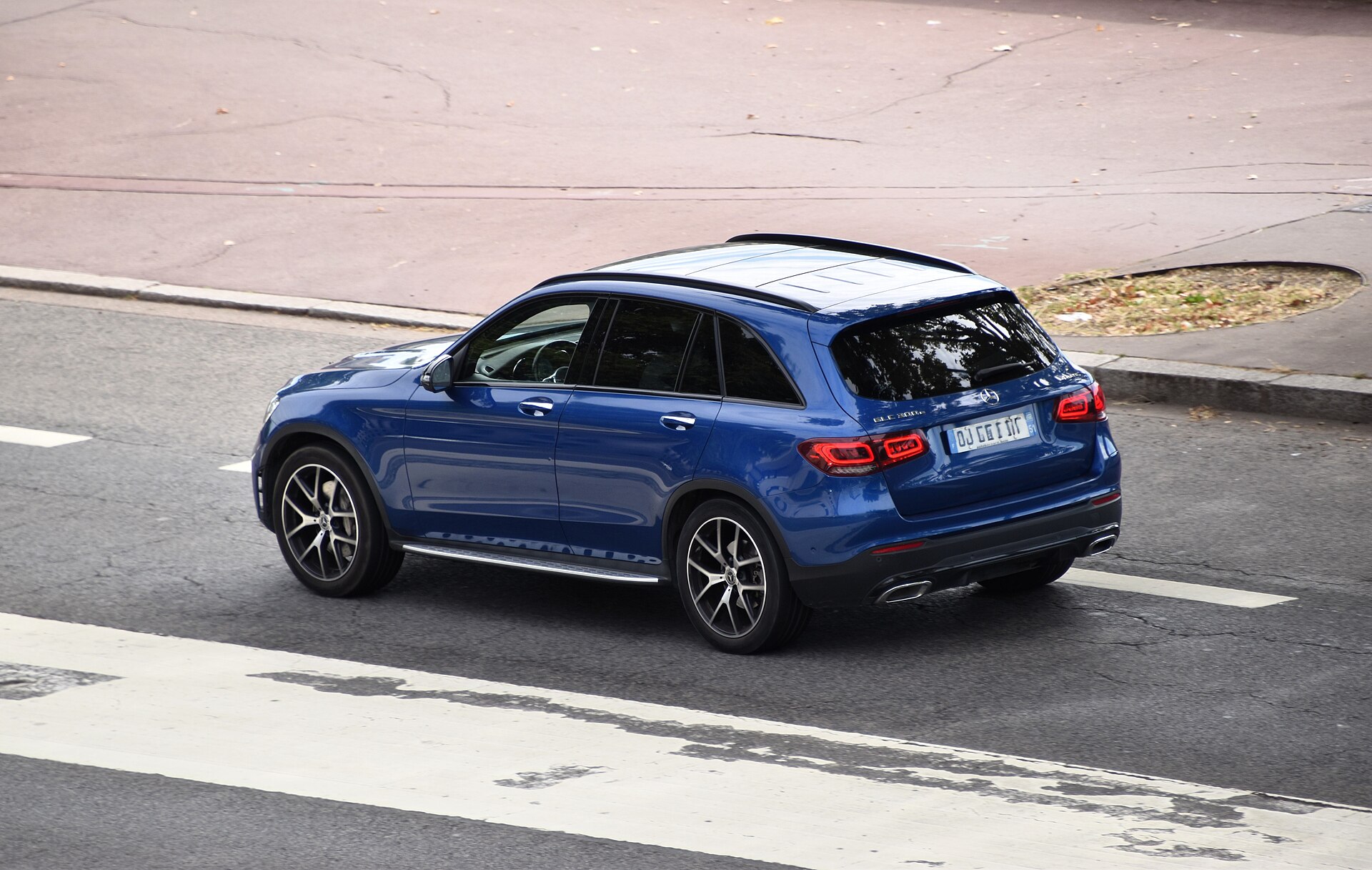
The new Mercedes-Benz GLC Electric arrives in India with the kind of number designed to silence sceptics: a claimed WLTP range above 700 kilometres. The vehicle is locally assembled and starts around the price of a well-equipped luxury SUV, according to CarWale’s launch summary. On paper, it appears to have defeated range anxiety through battery capacity and engineering. In practice, no electric vehicle can carry enough range to compensate fully for unreliable infrastructure. A wealthy owner can install a home charger and begin each morning with a full battery, which solves most daily use. The trouble starts at apartment parking negotiations, highway chargers that fail authentication and stations occupied by vehicles charging long past the useful speed curve. India’s EV transition will not be completed by selling cars with heroic laboratory numbers. It will be completed when charging becomes boring.
Range is only one part of a journey
A large battery provides flexibility. It reduces charging frequency and gives owners confidence when stations are sparse. But claimed range is shaped by test cycles, while real consumption changes with speed, temperature, elevation, traffic and climate control. Luxury EV buyers may drive faster on expressways and expect a cooled cabin, precisely the conditions that reduce range. Manufacturers should therefore foreground realistic highway figures and charging time from 10 to 80 percent, not only the largest possible distance.
The charging curve matters more than peak speed. A car may advertise an impressive maximum kilowatt figure that it holds briefly under ideal battery temperature. Owners need to know the average speed across a useful session. Preconditioning should work reliably when navigating to compatible chargers. The route planner should incorporate station status, not simply pins copied from a database.
Apartment charging is the invisible bottleneck
Luxury EV discussion assumes a private driveway. Indian cities run on shared basements, assigned parking, rented homes and resident welfare associations. Installing a charger can require permissions, cable routing, metering decisions and arguments about fire safety. Some concerns are legitimate; others are inertia disguised as regulation. Either way, the customer cannot solve them with a larger battery.
Automakers should provide site surveys before delivery, standard documents for housing societies and trained installation partners. State regulations need clear rules granting residents a reasonable path to install chargers at their own cost while meeting safety standards. Builders should be required to make new parking areas EV-ready through electrical capacity and conduits, not necessarily a charger at every bay on day one. Retrofitting later is more expensive and disruptive.
Public chargers need uptime, not ribbon cuttings
India often counts installed chargers as if installation were the outcome. A station that is offline, blocked or unable to process payment is street furniture. Operators should publish uptime, successful-session rates and repair response times. Government support must reward energy delivered and reliability, not just hardware deployed. Common digital standards would allow drivers to see live status and pay without maintaining a folder of apps.
Highway locations need lighting, toilets, food and security because charging takes longer than refuelling. This is not a luxury demand. Families travelling at night should not wait beside an isolated power cabinet. Chargers should be placed where people naturally stop, with enough bays to absorb holiday peaks. A single fast charger at a popular corridor is not infrastructure; it is a queue generator.
Local assembly is welcome, but ecosystems matter
The GLC Electric’s local assembly helps pricing and signals that manufacturers see India as more than a token EV market. The broader November launch calendar in Autocar India’s reporting shows increasing electric choice across luxury segments. Yet localisation should include technician training, battery diagnostics, collision repair and responsible end-of-life planning. A locally assembled car that waits months for a damaged module is only locally assembled in the brochure.
Luxury brands can lead on battery-health certificates and used-EV confidence. Buyers need a standard way to understand remaining capacity, charging history and warranty coverage. Without it, depreciation will remain unpredictable and leasing costs high. Battery repair should be modular where safely possible, rather than every fault producing a full-pack replacement quote.
Large batteries carry trade-offs
A 94kWh-class battery stores enormous useful energy, but it also adds weight, cost and material demand. The industry’s response to weak charging cannot be an endless battery arms race. Better efficiency, aerodynamics and thermal management are preferable to hauling ever larger packs. Urban cars with modest batteries and reliable neighbourhood charging may reduce emissions and resource use more effectively than two-and-a-half-tonne luxury SUVs.
This does not make the Mercedes pointless. Technology often enters at premium prices before spreading. Fast-charging architecture, efficient motors and software developed for luxury vehicles can influence cheaper models. But policy should not treat every electric kilometre as identical. Vehicle size, energy source, congestion and manufacturing footprint still matter. Electrification fixes tailpipe emissions; it does not abolish physics.
The showroom must tell the whole truth
Dealers should map the customer’s use before promising effortless transition. Does the buyer have a dedicated bay? What is the electrical load? Which intercity routes are frequent? Are dependable chargers available there? What happens if the home charger fails? A responsible salesperson may conclude that an EV is unsuitable for a particular buyer today. That honesty would build more long-term confidence than forcing a sale followed by frustration.
Test drives should include charging demonstrations. Owners need to understand connector release, app activation, speed tapering and emergency support. Delivery ceremonies spend too much time pairing phones and too little time explaining the system that powers the car.
Success will feel uneventful
I welcome a long-range, locally assembled electric GLC. It expands choice and challenges the claim that EVs are inherently compromised. But the vehicle’s impressive specification should not become an excuse to ignore the public system. Even a 700-kilometre claim eventually reaches zero. More importantly, owners should not need to exploit the full range merely because they distrust the next station.
India’s EV transition will have matured when a family plans a journey without checking three apps, calling a hotel about its socket or calculating whether a charger will be occupied. It will mature when apartment approvals are routine, highway stations report dependable uptime and used buyers can verify battery health. The GLC Electric can travel far. Infrastructure determines whether its owner feels free.