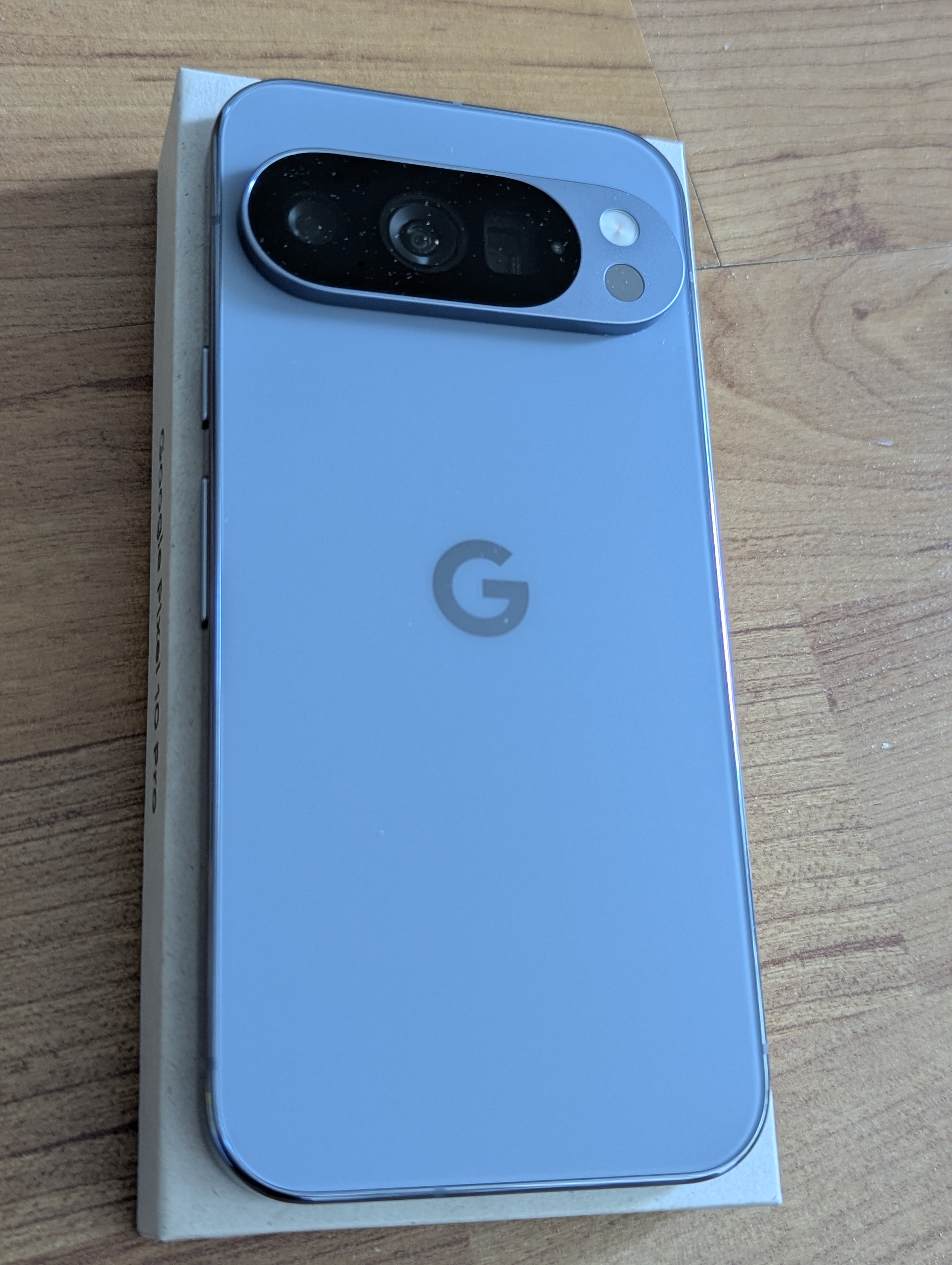
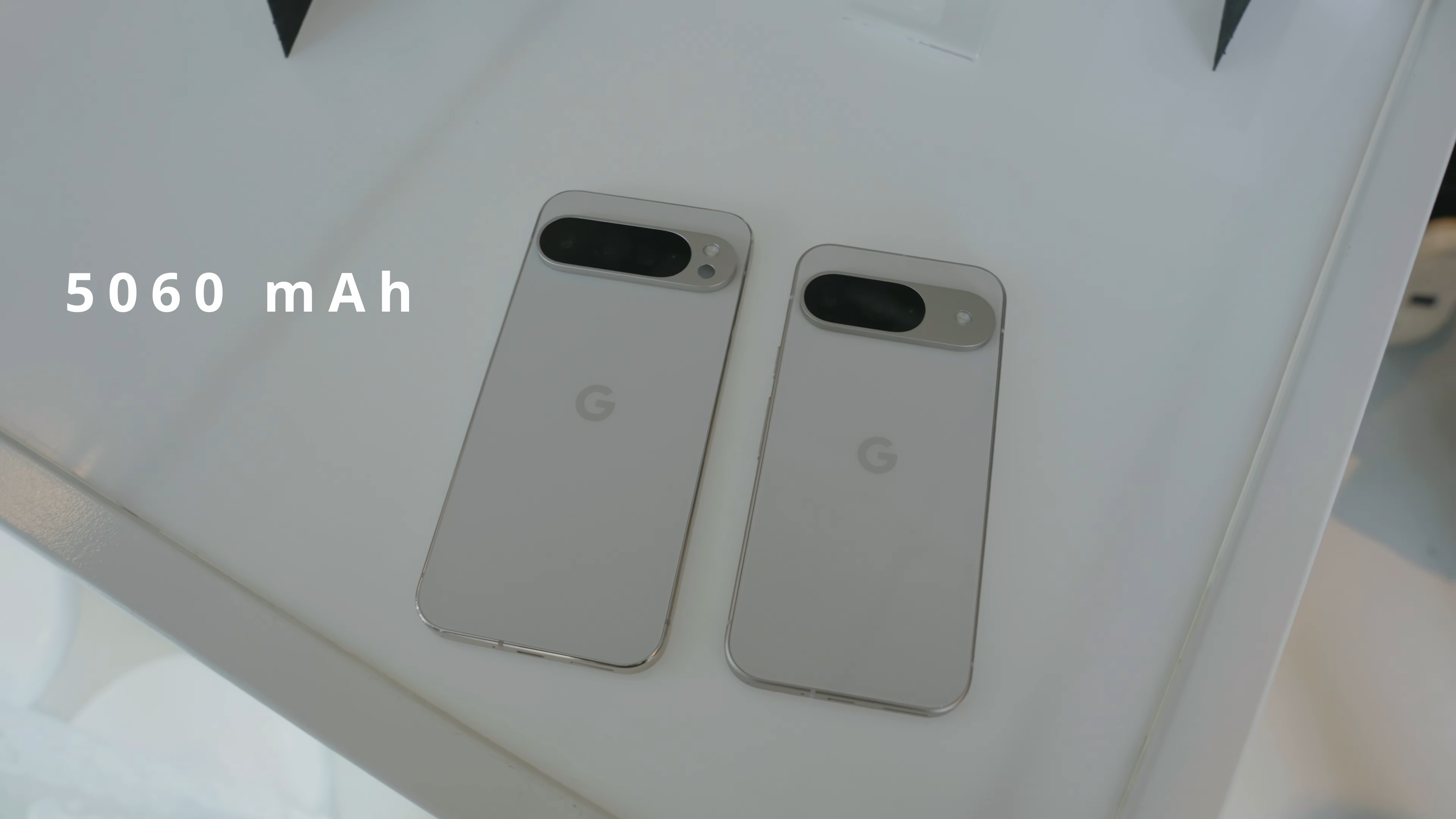
I like Google’s Pixel phones more than I recommend them. That distinction has survived several generations. A Pixel produces photographs I trust, runs Android without the decorative clutter some brands mistake for personality and receives a software commitment that makes most launch cycles look wasteful. Then I imagine advising a relative who lives outside a major city, needs a battery replacement after two years and cannot keep a backup flagship in a drawer. My enthusiasm becomes conditional.
The Pixel 9 sharpened the familiar proposition. Its design feels more deliberate, its fingerprint sensor improved and Google promised seven years of operating-system and security support. Gadgets 360’s Pixel 9 review also noted strengths alongside heat and performance concerns. That combination captures my frustration: Google sells longevity as software policy while Indian ownership is constrained by hardware service, thermals, battery ageing and resale confidence.
Seven years is not the same as a seven-year phone
Update promises matter. They reduce security risk, preserve app compatibility and make it less absurd to spend flagship money. I give Google credit for pushing the Android market toward longer support. But a phone does not remain useful because a server continues sending patches. The battery must be replaceable at a tolerable price. Ports, displays and cameras must be repairable without an expedition. Spare parts must exist. Service staff must diagnose problems consistently.
Indian users often keep phones longer than reviewers keep review units. We discover the qualities invisible during launch week: whether the frame survives crowded travel, whether network performance remains stable in weak-signal areas, whether summer heat ruins sustained use and whether a case or screen protector is easy to buy in a local market. Ownership is an accumulation of minor frictions. Spec sheets are terrible at measuring it.
Pixel photography remains excellent because Google understands the ordinary photograph. Skin tones, moving children, difficult indoor light and quick point-and-shoot moments matter more to me than a demonstration image of the moon. Yet camera leadership is narrower than it once was. Samsung, Apple, Vivo and others have improved. A buyer no longer needs to accept every Pixel compromise to obtain a dependable camera.
The artificial-intelligence features are even less decisive than marketing suggests. Some are useful, some amusing and some geographically or linguistically constrained. Their value depends on availability, connectivity, privacy comfort and whether the feature survives Google’s tendency to rename, relocate or discontinue products. I will not buy a phone for a staged demo. I buy for the functions I will still use when the promotional vocabulary has changed.
Heat is an ownership issue
Indian reviewers should discuss thermals as a core feature, not a benchmarking sidebar. Our phones navigate in cars, record outdoor video, maintain two mobile connections and spend months in ambient temperatures that make laboratory comparisons feel polite. Heat affects charging speed, performance, battery health and simple comfort. A phone that becomes reluctant during a summer wedding is not “mostly flagship.” It failed during the event for which its camera mattered.
Google’s Tensor strategy prioritises its own computational and AI work over winning benchmark charts. That is defensible. I do not need the highest synthetic score. I do need predictable sustained performance and an efficient modem. A processor philosophy becomes irrelevant when the device is warm, battery percentage falls quickly or weak reception forces repeated network hunting.
Network compatibility has improved as Google expanded official Indian sales, but buyers should still check their carrier, 5G usage and regional service options rather than relying on global reviews. A phone tested on a California network cannot answer how it behaves in a concrete apartment with unstable indoor coverage or on a long Indian train journey.
Google’s own official Pixel 9 specifications provide the clean statement of hardware and support. I read such pages as a starting point. They cannot tell me the price of an accidental screen repair in my city, turnaround time during a festival week or whether a service centre will replace one component rather than a larger assembly. Those are flagship specifications too; manufacturers simply prefer not to place them beside brightness and megapixels.
Service is part of the product
Apple and Samsung are not perfect, but their physical presence creates confidence. A buyer can usually find an authorised location, accessories, technicians familiar with the device and a resale market that understands the brand. Chinese manufacturers built service networks because India demanded them. Google spent years behaving as though online availability constituted a market strategy.
The situation has improved, and I do not want to freeze my judgment in the Pixel’s earlier India years. Wider retail sales and service expansion show seriousness. But trust arrives more slowly than a press release. Google must publish clear repair pricing, expand walk-in coverage, maintain parts for the full support window and make battery replacement routine rather than heroic.
Battery support is crucial because seven years of updates span at least one replacement for any heavily used device. If a manufacturer celebrates software longevity while making a fresh battery costly or inconvenient, the promise is environmentally decorative. Regulators and consumers should judge support as an integrated package: patches, parts, documentation, repair access and secure reset procedures.
Resale value follows this ecosystem. Buyers pay more for a used phone when they trust future updates and repairs. Pixel depreciation can turn a discounted launch purchase into a less impressive ownership calculation. The correct comparison is not merely invoice price; it is purchase price minus resale value plus likely repair and accessory costs across the intended holding period.
Who should buy it
I would recommend the Pixel 9 to a photography-first Android user living near reliable service, comfortable with Google’s software choices and planning to use the long update window. I would recommend buying during a sensible discount rather than treating launch price as a test of devotion. I would also insist on checking current repair terms and considering protection for the expensive display.
I would hesitate for gamers, heavy outdoor video users, people in weak-network areas and anyone whose work makes service downtime costly. A OnePlus, Samsung or Vivo may offer a less distinctive camera style but a more comfortable overall ownership package. Boring dependability is underrated after the unboxing video ends.
Google does not need to win every benchmark. It needs to understand that India is not merely another storefront. Pricing, heat, dual-SIM behaviour, language features, payments, service geography and second-hand value shape the product. Local manufacturing claims will mean little if local owners still feel peripheral.
The Pixel’s clean software also deserves scrutiny. “Clean” should not mean Google may advertise its own services throughout the interface while competitors’ additions alone count as bloat. Some exclusive features are clever; others deepen dependence on Google’s cloud. Buyers should examine permissions and on-device processing instead of assuming a first-party feature is automatically private.
I continue to admire the Pixel 9 because it has a point of view. Most phones are rectangles assembled by a marketing committee; the Pixel genuinely reflects Google’s ideas about photography and computing. But personality cannot excuse infrastructure. A mature flagship must survive heat, ageing and mishap with the same confidence it applies to image processing.
Ask me which Android phone takes the photograph I am most likely to keep, and the Pixel remains near the top. Ask which one I would hand to a family member for four trouble-free years anywhere in India, and I begin asking questions. Google’s task is to make those answers converge. Until then, the Pixel is a great camera, a thoughtful computer and an ownership compromise wearing one elegant aluminium frame.