
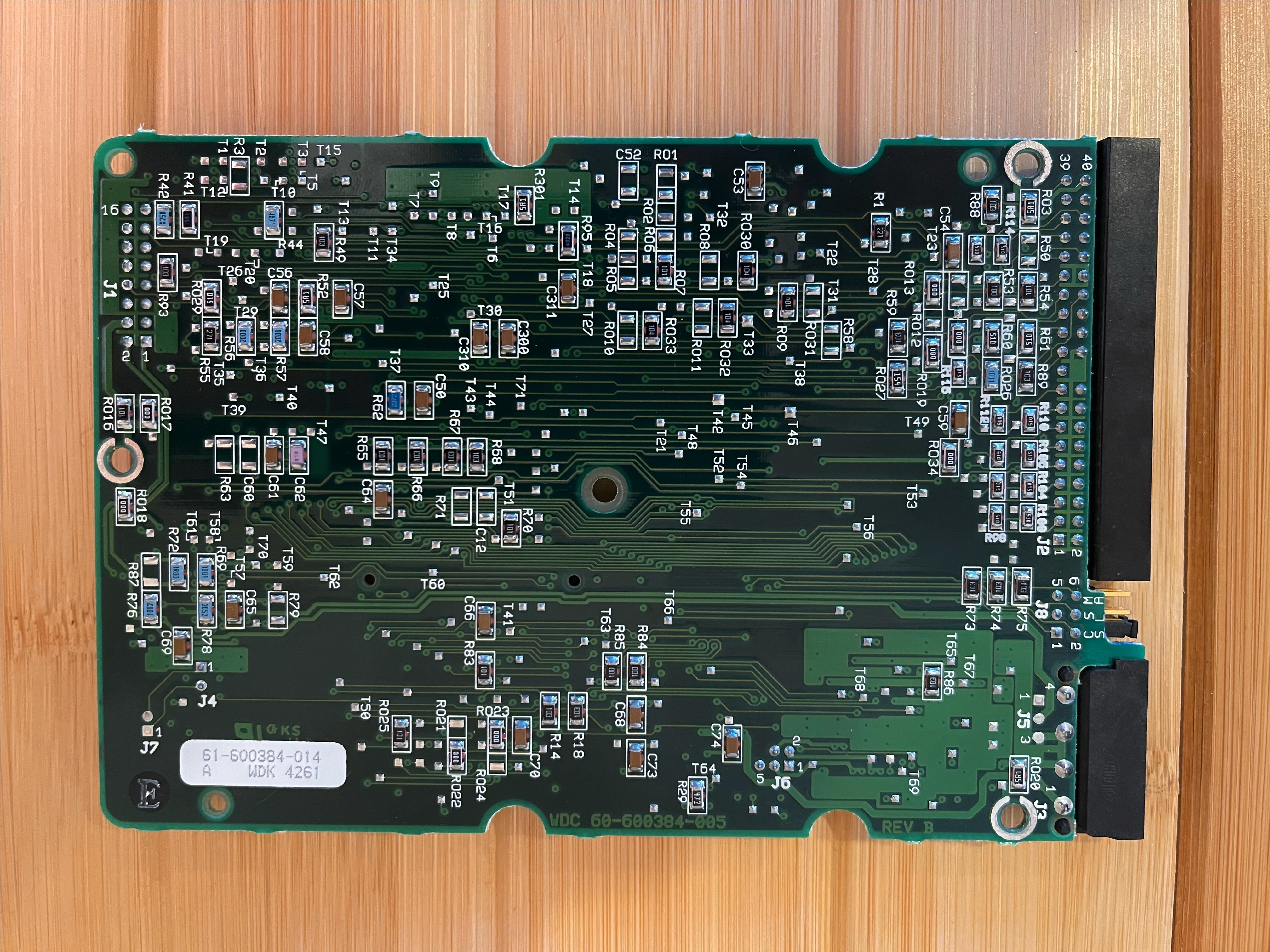
I have spent years irritating two groups at once. The first insists that India merely tightens imported screws and calls it manufacturing. The second treats every new assembly line as proof that complete technological self-reliance has arrived. Both positions are lazy. India’s electronics transformation is substantial: output, exports and employment have expanded, and mobile-phone assembly has moved from aspiration to industrial fact. The government’s 2026 account of the electronics PLI reports production and exports above the scheme’s original targets. A separate official electronics factsheet places domestic value addition far below the headline share of phones assembled locally. Those statements are not contradictory. They describe different floors of the same factory.
The government deserves credit for understanding sequencing. Countries rarely begin by fabricating every chip, designing every machine and owning every consumer brand. They attract final assembly, build logistics, train workers, then deepen into subassemblies and components. Production-linked incentives gave global manufacturers a reason to place volume in India, while the domestic market and geopolitics supplied additional momentum. Critics who dismiss this as “only assembly” ignore how industrial ecosystems begin. Supporters who stop at assembly ignore how they become durable.
The export number is real—and incomplete
Smartphone exports matter because they demonstrate that Indian plants can meet global quality, cost and delivery requirements. This is different from producing behind a tariff wall for captive domestic buyers. Export discipline forces suppliers to control defects, coordinate inventory and satisfy customers who can shift orders elsewhere. It also creates clusters: packaging, testing, tooling, transport and maintenance grow around large plants.
But gross export value is not the same as domestic value captured. Imported displays, processors, memory, camera modules and production equipment can make a phone “made in India” while much of its economic value remains abroad. That does not make the label fraudulent under applicable origin rules; it makes the next policy challenge obvious. Government should publish consistent value-addition estimates by product class and methodology. If progress is genuine, transparency will strengthen the case rather than weaken it.
The component push must also avoid becoming a subsidy collection contest. Incentives should reward verified production, yield improvement, local engineering and exports—not ceremonial plant announcements. Components differ in technological difficulty and capital intensity. India need not manufacture everything immediately. It should prioritise areas where market volume, existing capabilities and strategic value intersect: enclosures, batteries, power electronics, camera subassemblies, printed circuit boards, passive components and semiconductor packaging, while building toward more complex layers.
Why Chinese brands still dominate shelves
Policy success in manufacturing has not automatically produced dominant Indian smartphone brands. Chinese companies remain strong because they combine supply-chain speed, aggressive pricing, distribution, financing and rapid product iteration. They understand that the Indian buyer at ₹15,000 compares display brightness, camera appearance, charging speed and exchange offers with ruthless attention. Patriotic messaging cannot compensate for a worse product.
Indian brands lost ground partly because many treated branding as importing a reference design and adding a logo. Re-entry requires original product planning, dependable software support, service reach and patient capital. The government can assist design and research, but it cannot subsidise taste. A successful Indian brand must decide what it understands better than Xiaomi, Vivo or Samsung: rural service, local languages, ruggedness, privacy, repairability, enterprise security or some other defensible advantage. “Indian” can open a conversation; it cannot close a sale.
Nor should policy aim to expel Chinese companies that manufacture, employ and pay taxes in India. The goal should be to increase value captured locally, diversify supply risk and enforce fair competition. A Chinese-owned brand assembling through Indian partners with locally sourced components may contribute more to the ecosystem than an Indian-owned label importing finished devices. Nationality matters strategically, but industrial analysis must follow the value chain rather than the advertisement.
From labour advantage to knowledge advantage
Women constitute a large share of workers in high-precision electronics assembly, according to government reporting. That is economically significant, particularly where formal manufacturing jobs alter household incomes. Yet job counts need texture: wages, contracts, transport, safety, promotion and skill progression. An industry cannot celebrate women’s dexterity while reserving engineering and management ladders for somebody else. Incentives should encourage training and measurable advancement, not merely headcount.
India must also build the unphotogenic capabilities surrounding factories: vocational curricula aligned with actual equipment, metrology labs, reliable industrial power, customs predictability and quick movement of specialised spares. A production line can lose enormous value because one imported tool is delayed. Ease of doing business becomes real at the loading dock, not in a ranking.
Semiconductor investment deserves ambition without fantasy. Packaging and compound semiconductors can develop useful capabilities while a leading-edge logic fab remains extraordinarily difficult and expensive. The government should be candid about timelines, technology nodes and commercial customers. Strategic investment is justified, but prestige projects that operate below capacity help nobody. Chips require ecosystems of materials, design, equipment and talent; the ribbon is the beginning.
The next scorecard
I would judge the coming five years on six measures: domestic value addition; component exports; Indian-owned intellectual property; supplier concentration; worker progression; and the global share of Indian brands. Gross production should remain on the dashboard, but it can no longer be the only large number in the press release. The policy succeeded in creating scale. Its next task is creating depth.
Opposition critics are right to ask how much subsidy was paid per job and how dependent factories remain on imports. They are wrong when they imply nothing has changed. The transformation from heavy finished-phone imports to large-scale domestic production and exports is an industrial achievement. A serious opposition would propose how to deepen it, not sneer at workers because the processor was fabricated abroad.
Government supporters, meanwhile, should stop treating scrutiny as disloyalty. “Make in India” earns credibility when its claims become more precise over time. Publishing uncomfortable import dependence can guide investment. A mature policy does not need every component to be tricolour by next Tuesday.
India has won the right to move beyond the assembly-line argument. The factories exist, exports move and global firms have invested. Now comes the harder phase: components, design, tools, research and brands that consumers choose without being lectured. Chinese companies still dominate because they spent decades constructing those capabilities. India can close the gap, but only by recognising that assembly was the first rung—not pretending it was either worthless or the roof.