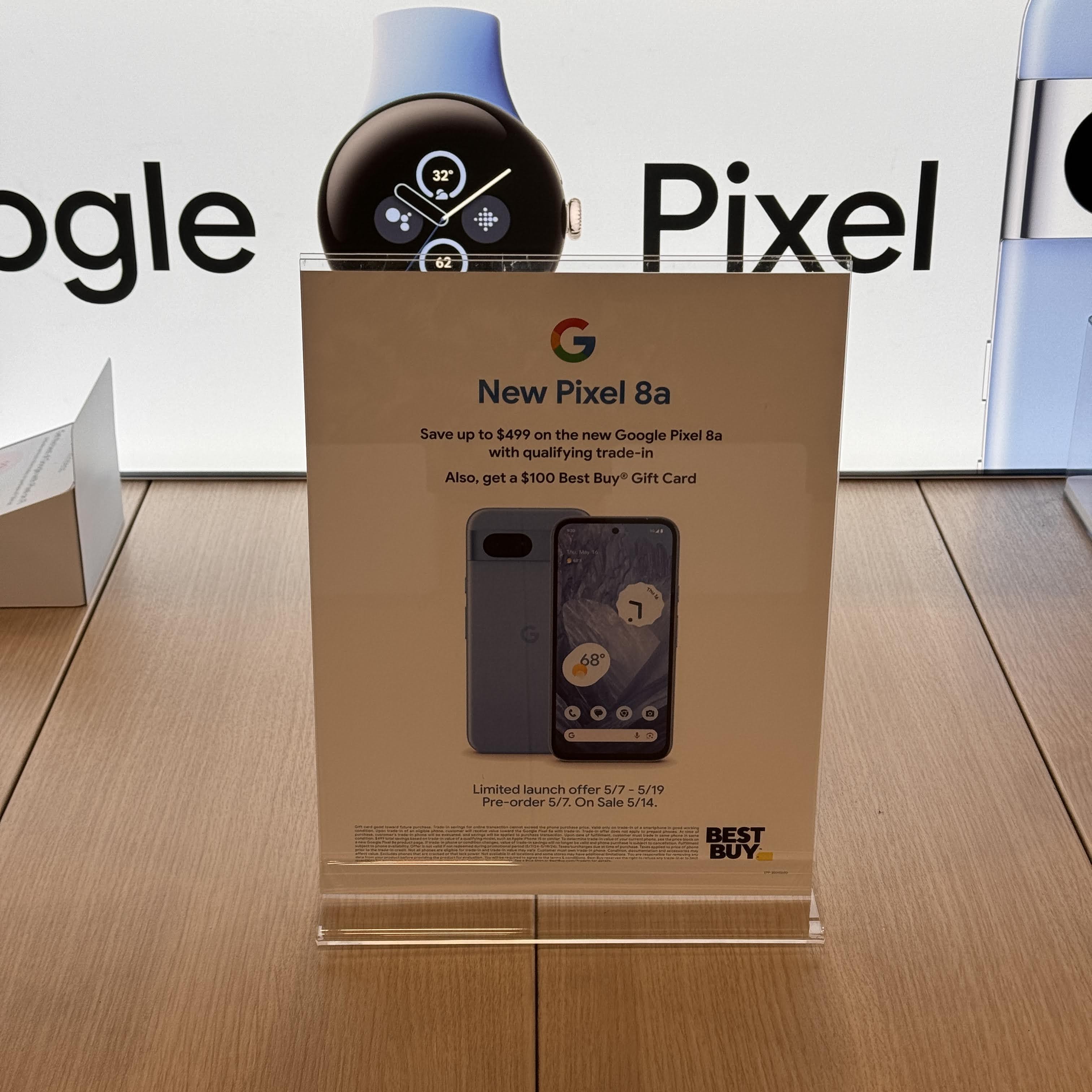
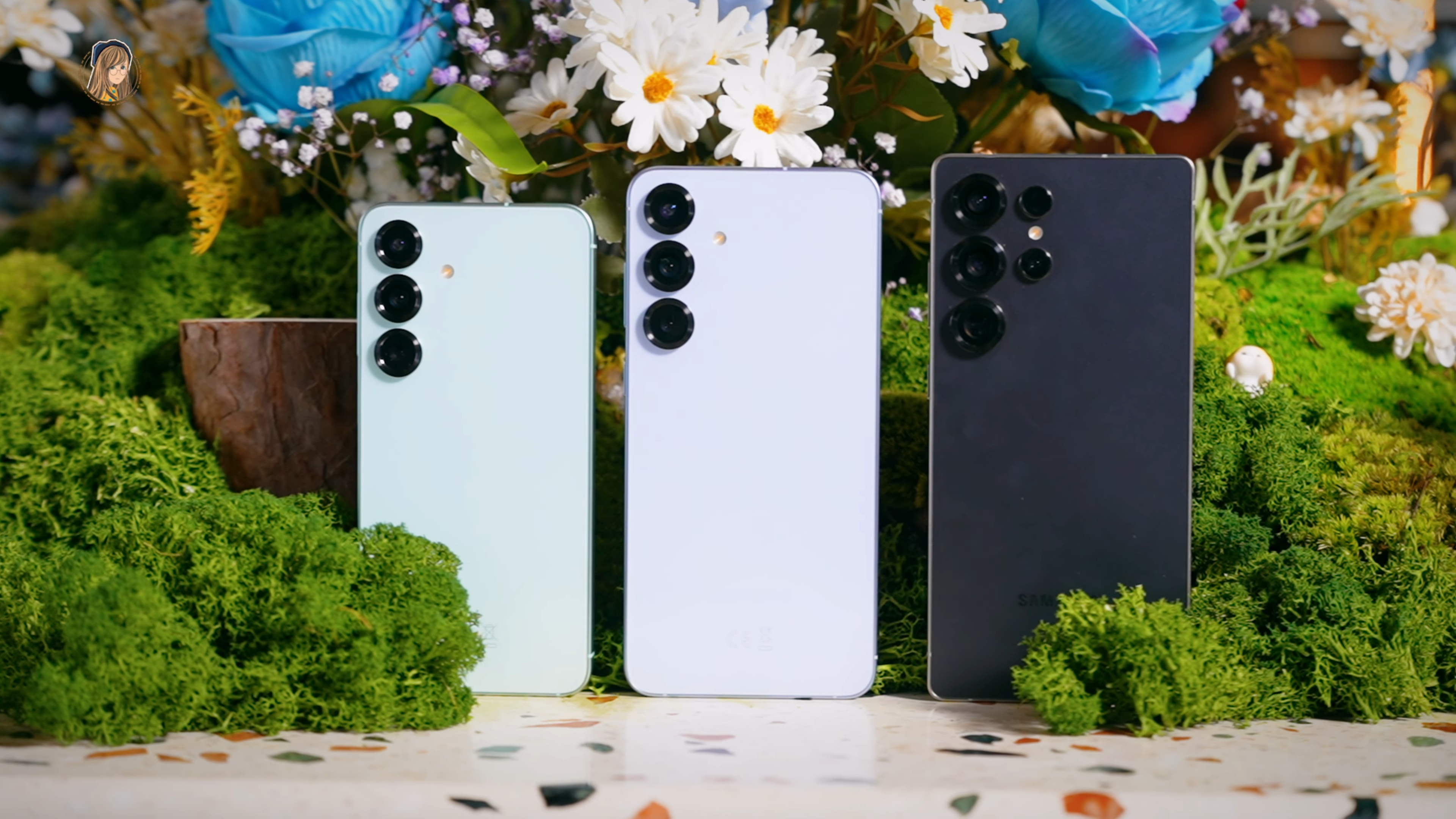
The modern phone launch is an exercise in directing your eyes away from ownership. You are shown a camera island under theatrical lighting, a benchmark graph with no readable axis, and an artificial-intelligence feature demonstrated under perfect connectivity. Nobody shows you the phone thirty months later, when the battery is tired, storage is crowded, the charging port has developed opinions and a security update is late.
I care about that older phone because it is the device most Indians actually live with. A handset is not a weekend purchase; it is a bank branch, identity wallet, camera, work terminal and family archive. The most meaningful specification is therefore not peak performance but how gracefully the product ages.
The current mid-range market finally contains a useful signal. 91mobiles’ running list of Indian phones records models such as Samsung’s Galaxy A-series devices with long update commitments, alongside rivals competing through enormous batteries and headline specifications. I would choose six years of credible support over a 2-megapixel “macro” camera without hesitation. One feature extends safe ownership; the other exists to fill a circle on the back.
Updates are part of the hardware
Manufacturers have trained buyers to treat software support as a bonus. It is not. The phone’s processor, modem and secure storage are useful only while the operating system and security layer remain maintained. Banking apps evolve, authentication standards change and vulnerabilities appear. A device abandoned after two years has not suddenly lost physical capability; its maker has chosen to shorten its trustworthy life.
Long promises deserve scrutiny. An update delivered a year late is technically support and practically neglect. Brands should publish monthly compliance dashboards by model and region, including security patch date, operating-system schedule and known rollout pauses. Indian units should not receive vague treatment merely because global press reviews another market’s software.
Update quality matters too. Owners fear major upgrades because some releases reduce battery life, introduce bugs or alter the interface without providing an easy rollback. A mature support policy includes staged deployment, public issue tracking and rapid hotfixes. Seven years printed on a product page means little if year three feels like unpaid beta testing.
I also want clear definitions. Does the promise mean six Android version upgrades, six years of security patches or a mixture? From which date—the announcement, sale or manufacturing month? Does a carrier variant follow the same schedule? Marketing departments exploit ambiguity because most reviewers move on after launch week.
Battery size is not battery ownership
Large silicon-carbon batteries have improved endurance, and I welcome the shift. A phone that reliably lasts two days changes behaviour more than a slightly faster processor. But capacity alone does not answer the ownership question. How quickly does the cell degrade? What does replacement cost? Will authorised service centres stock it in four years? Is the adhesive-heavy construction designed to discourage repair?
Brands should guarantee battery availability for the full support period and publish an all-inclusive replacement price. Battery health data should be accessible inside settings, not hidden in diagnostic menus. Charging controls should permit an owner to cap the level overnight. These are ordinary features in a device meant to last.
The Indian climate makes thermal behaviour important. A benchmark run in an air-conditioned studio cannot predict navigation on a dashboard in May, video calls during a power cut or charging in a warm room. Sustained performance and heat management matter more than a peak number produced for three minutes.
This is why detailed reviews such as 91mobiles’ comparison of sub-Rs 20,000 phones are useful only as a starting point. Buyers should seek long-term updates, user reports and service experiences. Launch-day battery tests measure a new cell. Ownership begins after the review unit has been returned.
Repair is the missing review category
Most publications list an IP rating but not the price of replacing the screen whose sealing helped produce that rating. They praise thinness without asking whether the design makes battery removal needlessly risky. I want every review to include standard repair costs, service-centre reach, spare-parts commitment and turnaround policy.
Indian buyers outside major cities experience a very different brand from reviewers in Delhi, Mumbai and Bengaluru. A company may offer polished doorstep service in a metro while asking a district-town customer to send the device away. That gap belongs in the verdict. A phone unavailable for ten days is not reliable merely because the failure rate is statistically modest.
Independent repair also matters. Owners should be able to obtain genuine parts, manuals and diagnostic access at fair prices. Manufacturers raise legitimate concerns about unsafe batteries and poor workmanship, but safety cannot become a blanket excuse for monopolising every repair. Certification programmes could widen trustworthy options.
Trade-in programmes are not substitutes for repairability. They encourage buyers to treat residual value as permission to upgrade. Sometimes replacement is rational; often a battery or port would restore the device. The environmentally responsible phone is usually the one already in your pocket.
Stop paying for spec-sheet confetti
The mid-range camera count remains one of technology’s longest-running jokes. A good primary sensor, competent processing and a useful ultrawide camera are preferable to multiple weak modules. Yet the empty circles persist because a crowded rear panel photographs well in advertisements.
Screen refresh rates have undergone similar inflation. Smoothness is pleasant, but resolution, outdoor visibility, minimum brightness, touch behaviour and power efficiency affect daily use more. A 144Hz label on an otherwise mediocre panel is decoration with a measurable unit.
Artificial intelligence is the new confetti cannon. Some tools—transcription, call screening, translation and photo search—can be genuinely helpful. Buyers should ask whether processing occurs on-device, whether features require subscriptions, which languages work well and whether the service will remain available throughout the phone’s support life. A feature dependent on a remote model and promotional free period is not permanently part of the product.
My buying hierarchy is unfashionable: dependable network performance, battery endurance, update commitment, service access, display quality, primary camera, storage and only then peak speed. A phone that excels in those basics will feel better in year three than a benchmark champion compromised elsewhere.
Vote with the replacement cycle
Manufacturers respond to what buyers reward. If we upgrade because a new camera bump looks different, they will keep redesigning bumps. If long support and affordable repairs influence sales, those qualities will become competitive. Samsung’s extended commitments have already pressured rivals; that is good. The promises now need verification.
Reviewers must keep devices and revisit them. A six-month check can reveal update reliability, battery drift, interface advertising and physical wear. A two-year report is more valuable than another first impression filmed before the embargo lifts. Technology journalism should accompany ownership rather than orbit launches.
I am not suggesting everyone keep a struggling phone indefinitely. Newer modems, safety features and accessibility improvements can justify replacement. I am arguing that the decision should belong to the owner, not be engineered through abandoned software or unavailable parts.
The best phone of this year may not be the one with the highest score this month. It will be the device whose maker still answers for it years later. Give me six honest years, a replaceable battery at a published price, dependable patches and one excellent camera. The decorative sensors can remain in the launch presentation where they belong.