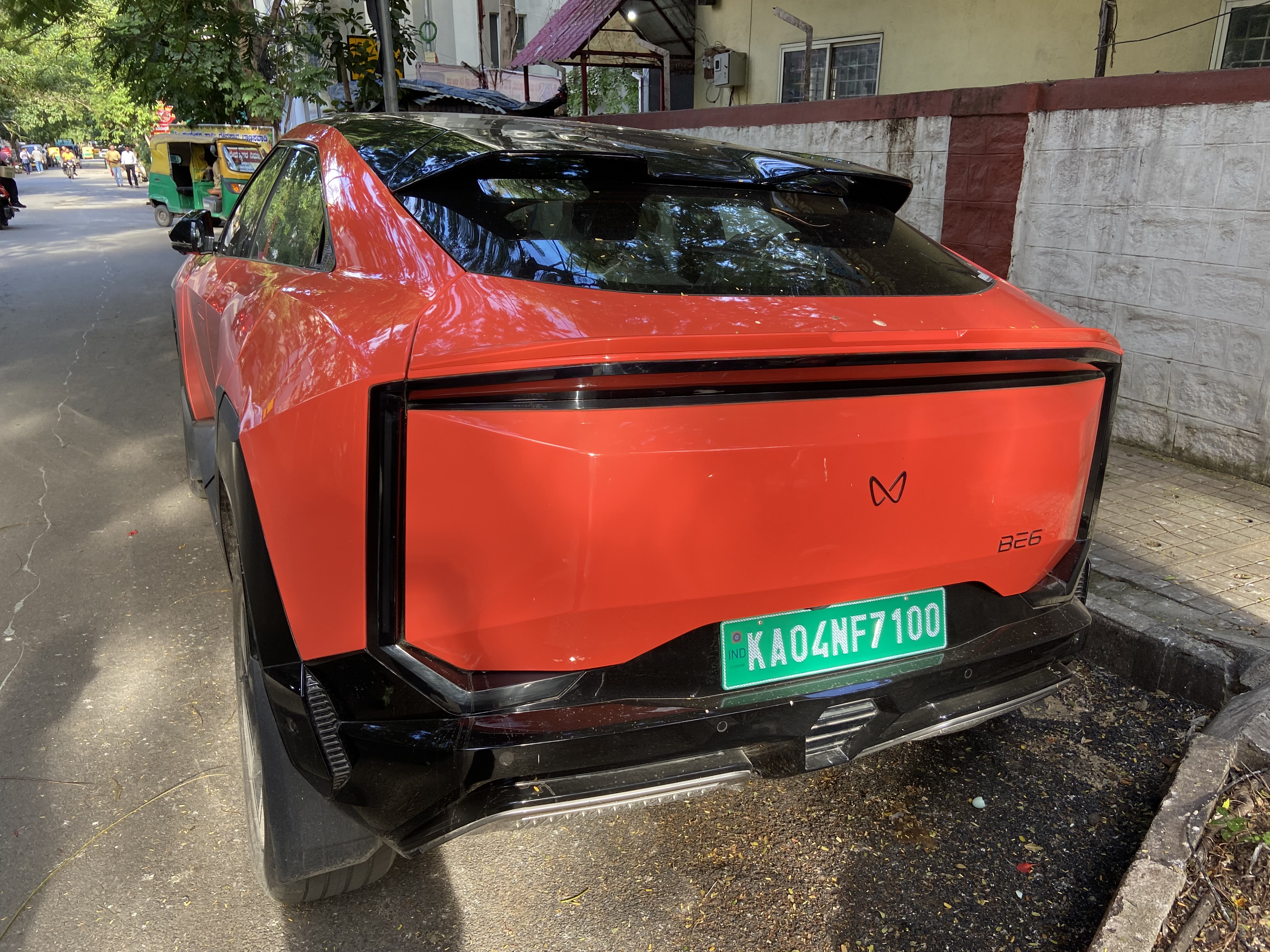

Delhi has exceeded its target for installed electric-vehicle charging points ahead of schedule. That is real progress, and governments should receive credit when infrastructure moves faster than a plan. I would still ask every person celebrating the number to try charging an unfamiliar EV at night with twenty per cent battery remaining. Is the point visible from the road? Is it accessible, or is a petrol car parked there? Does the app accept payment? Does the connector communicate with the vehicle? Is the stated power actually delivered? Infrastructure exists for a driver only when the full chain works. A dead charger remains an installed charger in many databases, which is how impressive counts and anxious ownership can coexist.
Delhi has moved beyond the excuse of no deployment
Official figures reported in coverage of Delhi’s charging rollout said the city had moved past its year-end target three months early. Earlier Associated Press reporting on Delhi’s EV transition captured the contradiction owners already recognise: ambitious policy and increasing adoption alongside persistent concern about charging access, range and grid readiness.
The count matters because deployment creates options. Delhi has dense housing, enormous two- and three-wheeler use, commercial fleets and severe air pollution. Electrification can reduce roadside emissions, particularly when it targets vehicles covering many kilometres. Public and semi-public chargers are essential for residents without private parking. Crossing a target signals administrative capacity and private investment.
But the denominator matters. A slow socket in a gated workplace is not equivalent to a public fast charger serving taxis. A charging point may refer to one connector, not one location. Several points can sit behind restricted access. Aggregating them produces a large number without describing practical coverage. Delhi should publish chargers by power, connector type, access hours, pricing, uptime and unique location.
Uptime is the statistic that changes behaviour
Petrol drivers assume a station will dispense fuel. EV drivers still approach public charging as a troubleshooting exercise. Networks require apps, accounts and wallets. Connectivity fails. A session begins and then stops. Customer support asks the driver to reboot the charger. This may be tolerable for enthusiasts; it will not persuade ordinary households or commercial drivers whose time is income.
Every publicly supported charger should report live status through an open data standard. Operators can maintain their own apps, but vehicle dashboards and independent maps should access availability, power and price without private deals. The city should audit uptime and penalise chronic failure. A minimum service level—measured at the connector, not merely the site—should accompany subsidies or public land.
Payment must be simplified. A driver should be able to scan a universal code or use a card without creating a new wallet for each network. India solved interoperable small payments at extraordinary scale. It is absurd to make charging less convenient than buying tea. Roaming agreements and transparent tariffs would reduce the app cemetery growing on EV owners’ phones.
Physical access needs enforcement. Chargers blocked by combustion vehicles, private security or stored equipment are functionally dead. Sites receiving public support should display access rules and offer a complaint channel tied to response times. Municipal parking enforcement must recognise charging bays as working infrastructure, not decorative green paint.
Distribution is a question of fairness
Deployment naturally follows affluent neighbourhoods, malls and office districts because demand and land are easier to identify. Yet the strongest environmental and economic case may lie with delivery riders, e-rickshaws, small goods vehicles and residents of dense colonies without dedicated parking. Delhi should map charging need against vehicle kilometres, housing type and commercial activity—not merely registered EV ownership, which can reproduce existing inequality.
Two-wheelers require a different strategy from premium cars. Many can use modest AC charging or removable batteries; high-power highway-style chargers are unnecessary. Safe community charging, battery swapping where standards and economics work, and workplace access may deliver more value. Policy should avoid treating every EV as a large SUV waiting for 150kW.
Apartment retrofits remain difficult. Resident associations worry about wiring, fire safety, billing and parking rights. Delhi needs standard technical templates and a fast dispute-resolution route. An owner should not spend months negotiating permission for a metered socket installed by a qualified professional. At the same time, unsafe extension cables cannot become the informal solution.
Grid planning is the hidden layer. A cluster of fast chargers imposes a very different load from overnight scooter charging. Distribution companies need visibility and incentives to upgrade local capacity. Time-of-use tariffs can move flexible charging away from peaks, while fleets can schedule around cheaper hours. The clean-air benefit will also improve as the electricity mix becomes cleaner.
The showroom must disclose the charging reality
Dealers sell claimed range and fast-charging time under ideal conditions. They rarely ask whether the buyer has a parking spot, which networks cover the commute or what power the home connection can supply. I want a mandatory charging suitability conversation recorded at sale—not to discourage EV purchases, but to prevent avoidable disappointment.
The dealer should estimate home-charging time, installation cost and typical public charging price. It should explain that a vehicle capable of very high DC power may spend most of its life on AC. Buyers should know whether the brand supplies a charger, handles installation and provides support when the charger and car blame each other.
Public fast charging also needs amenities and safety. A dark corner behind a closed building is not a good place to wait, especially for women travelling alone. Lighting, surveillance, toilets and visible staff matter on longer sessions. Site design is part of transport infrastructure, not an optional retail flourish.
I welcome Delhi crossing the installation target. I do not share the fashionable cynicism that every government number is meaningless. Targets mobilise agencies and capital. The proper response to success is to raise the quality of measurement. The next dashboard should show verified uptime, successful sessions, average repair time, geographic coverage and user complaints resolved.
EV adoption accelerates when charging becomes boring. Drivers should not need five backup plans or intimate knowledge of network error codes. A charger should be found, used and forgotten. Delhi has proved it can install thousands of points. Now it must prove that operators can maintain them, payment systems can cooperate and every neighbourhood can gain practical access.
The infrastructure gap nobody mentions in the showroom is no longer only a shortage of hardware. It is the gap between a pin on a map and dependable energy delivered to a vehicle. Closing that gap will do more for EV confidence than another launch promising seven hundred kilometres on a test cycle. Sockets win targets. Service wins drivers.