
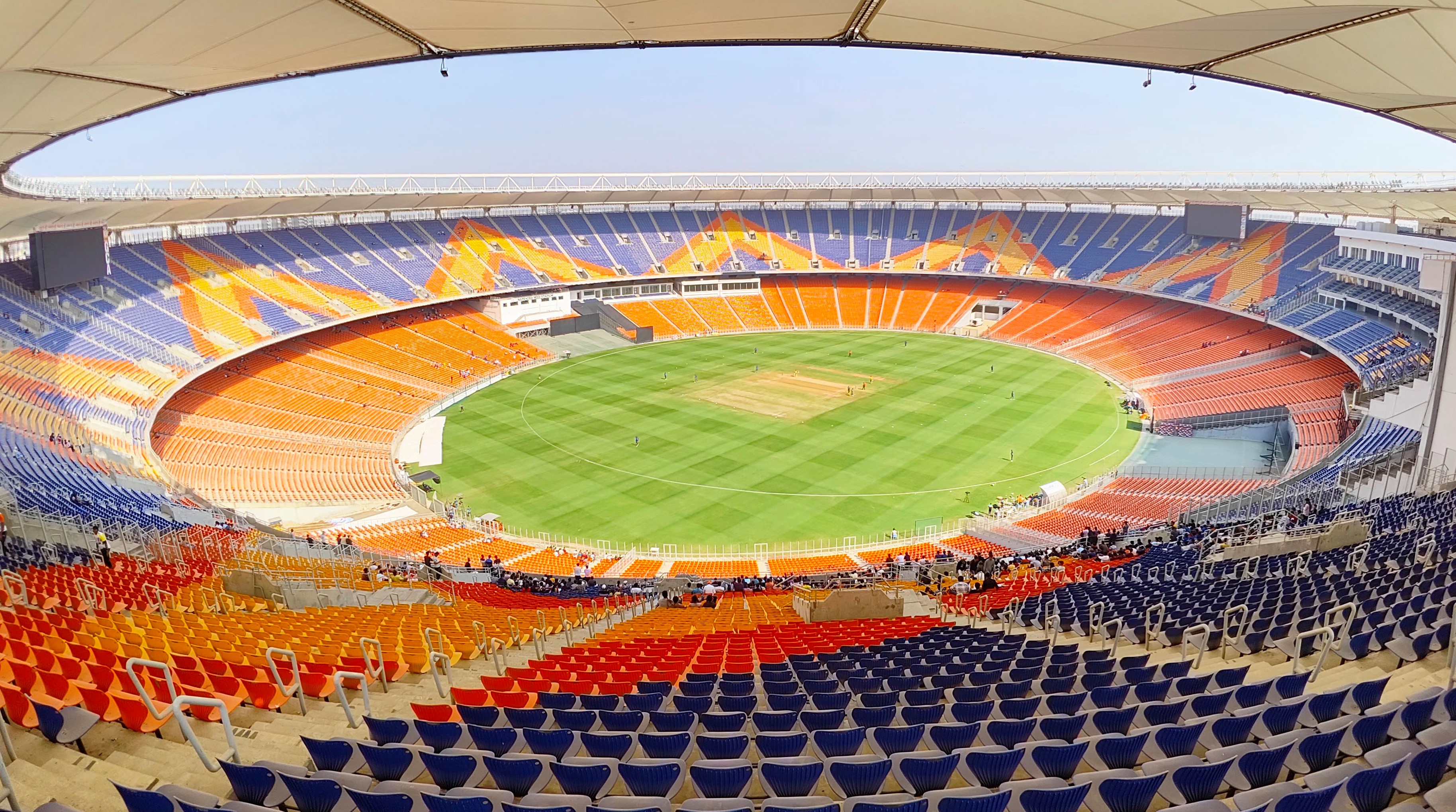
Indian sport has developed a peculiar method of recognising potential. First, an athlete must train in obscurity, negotiate federation paperwork, find equipment, travel without fuss and defeat better-supported rivals. Then, ideally, she should win a medal. At that precise moment, the nation discovers that her story represents our collective spirit. Cameras arrive, brands post graphics, and administrators explain that the system has worked. If she finishes eighth, we return to cricket selection debates before she has collected her kit.
The argument over strict Asian Games selection criteria belongs inside this pattern. India has often used performance benchmarks intended to send only realistic medal contenders. The logic sounds fiscally responsible: public money should not finance sporting tourism. Yet it treats exposure as a reward for proven excellence rather than one of the conditions that produce excellence. The Olympics platform repeatedly shows how athletes build through international competition, while Indian outlets such as Sportstar document the uneven pathways faced by competitors outside cricket.
I do not advocate an unlimited delegation assembled through lobbying. Federations can be dysfunctional, and some have historically treated travel rosters as patronage. Standards are necessary. My objection is to a narrow top-six-or-stay-home mentality that assumes rankings are destiny. A young swimmer, fencer, cyclist or gymnast may be unlikely to medal today and still gain decisive experience by competing against Asia’s best. If every trip requires being an established medal prospect, India will keep discovering that established medal prospects do not emerge by magic.
Exposure is not a holiday
The phrase “exposure trip” is often used sarcastically, as though athletes spend international competitions examining hotel buffets. For serious competitors, exposure means learning how warm-up rooms operate, how equipment checks alter routines, how judges interpret rules, how travel affects recovery and how a favourite responds when the arena turns hostile. These details cannot be replicated at a camp. Pressure is a skill, and skills require rehearsal.
Cricket understands this perfectly. An emerging batter is sent on A tours, development tours and domestic pathways. Nobody demands that he already be among the world’s six best before boarding the plane. His failures are treated as information. In many Olympic sports, failure is treated as evidence that the trip should never have been funded. That difference is not merely about money. It reflects what kinds of athletic development India considers normal.
A sensible selection system should separate three categories: genuine medal contenders; near-term development prospects with credible performance trajectories; and federation nominations lacking evidence. The first group travels. The second should travel within a capped development quota, chosen through published criteria. The third should not. That is more demanding than one blunt ranking threshold because it requires selectors to study age curves, personal bests, injury histories, depth of field and coaching assessments. Administration prefers a single number because judgment creates accountability.
Funding need not be extravagant. Development athletes can travel with shared support teams and clear performance plans. Each federation should publish why an athlete was selected, what benchmarks are expected and what follow-up competition will occur. The purpose is not participation certificates. It is building a bench that can challenge for medals across a four-to-eight-year cycle.
We count medals but ignore competitive density
India’s public conversation is obsessed with the final medal table. I understand why: medals are simple, emotionally potent and comparable. But a sporting system should also measure finalists, personal bests, qualification rates, junior-to-senior transitions and the number of athletes within striking distance of Asian or world standards. One champion can conceal an empty pipeline. Ten finalists may indicate a programme about to mature even if only one reaches the podium.
China, Japan and South Korea do not merely produce stars; they produce domestic competition around those stars. The athlete who travels knows someone at home is chasing her place. India too often concentrates resources around a handful of proven names, then acts surprised when injury or retirement creates a vacuum. Broadening international experience is one way to deepen that competitive density.
This is particularly important for women and athletes from regions without powerful institutional networks. Rankings reflect opportunity as well as ability. A competitor who cannot access enough sanctioned events may have fewer ranking points, creating a circular punishment: she lacks international exposure because she lacks ranking, and lacks ranking because she lacks international exposure. Federations and the Sports Authority of India should identify and correct that trap rather than congratulating themselves on neutral criteria.
There is a counterargument I take seriously. Every rupee spent sending an athlete unlikely to medal is a rupee unavailable for coaching, recovery or grassroots facilities. But that is not an argument against development squads; it is an argument for budgeting honestly. Elite preparation, international exposure and grassroots participation are distinct functions. They should have separate allocations and outcomes. Using scarcity as a reason to eliminate the middle of the pathway ensures that grassroots talent never becomes elite.
Coverage is part of the infrastructure
Media attention also shapes opportunity. A cricketer’s developmental tour receives previews, scorecards and analysis. Many Asian Games events receive a result line only when an Indian medals. Without coverage, athletes struggle to build audiences and sponsorship. Without sponsorship, federations and government schemes carry nearly the entire burden. Then commentators complain that non-cricket sport depends on the state. We have designed that dependency through neglect.
Broadcasters should provide navigable schedules, replays and explainers for unfamiliar sports. Newsrooms should assign reporters before medals are likely, not after a surprise victory trends online. I am not asking viewers to pretend every preliminary heat is gripping. I am asking institutions to make discovery possible. Fans cannot follow an athlete they never see.
Athletes themselves should not be forced to become full-time content creators to prove they deserve support. Some will enjoy it, and personality can help a sport grow. But performance systems cannot outsource visibility to Instagram fluency. The quiet archer, introverted swimmer or rural weightlifter deserves a pathway that does not depend on producing a viral reel between training sessions.
Send a team that reflects a plan
For future Asian Games, India should publish selection criteria well in advance, include a transparent development quota, provide an appeals process and release post-event evaluations. Federations should demonstrate that selected athletes have coaching and competition plans extending beyond the Games. A young athlete should not be sent once, finish outside the medals and disappear from funding. Exposure works only when it is part of a sequence.
We should also stop treating non-medallists as national disappointments by default. Performance deserves scrutiny, especially where public money is involved. Yet scrutiny must distinguish poor preparation from an athlete producing a personal best in a stronger field. The former calls for reform; the latter may represent progress. Medal tables cannot tell us which occurred.
India wants to become a broad sporting nation. That ambition requires accepting that some investment will mature later and some will fail. Cricket enjoys the cultural permission to develop players in public. I want that permission extended—carefully, transparently and without federation freeloading—to the rest of Indian sport. If we count athletes only once they win, we will always arrive late to our own success stories.
No comments yet -- be the first to weigh in.