
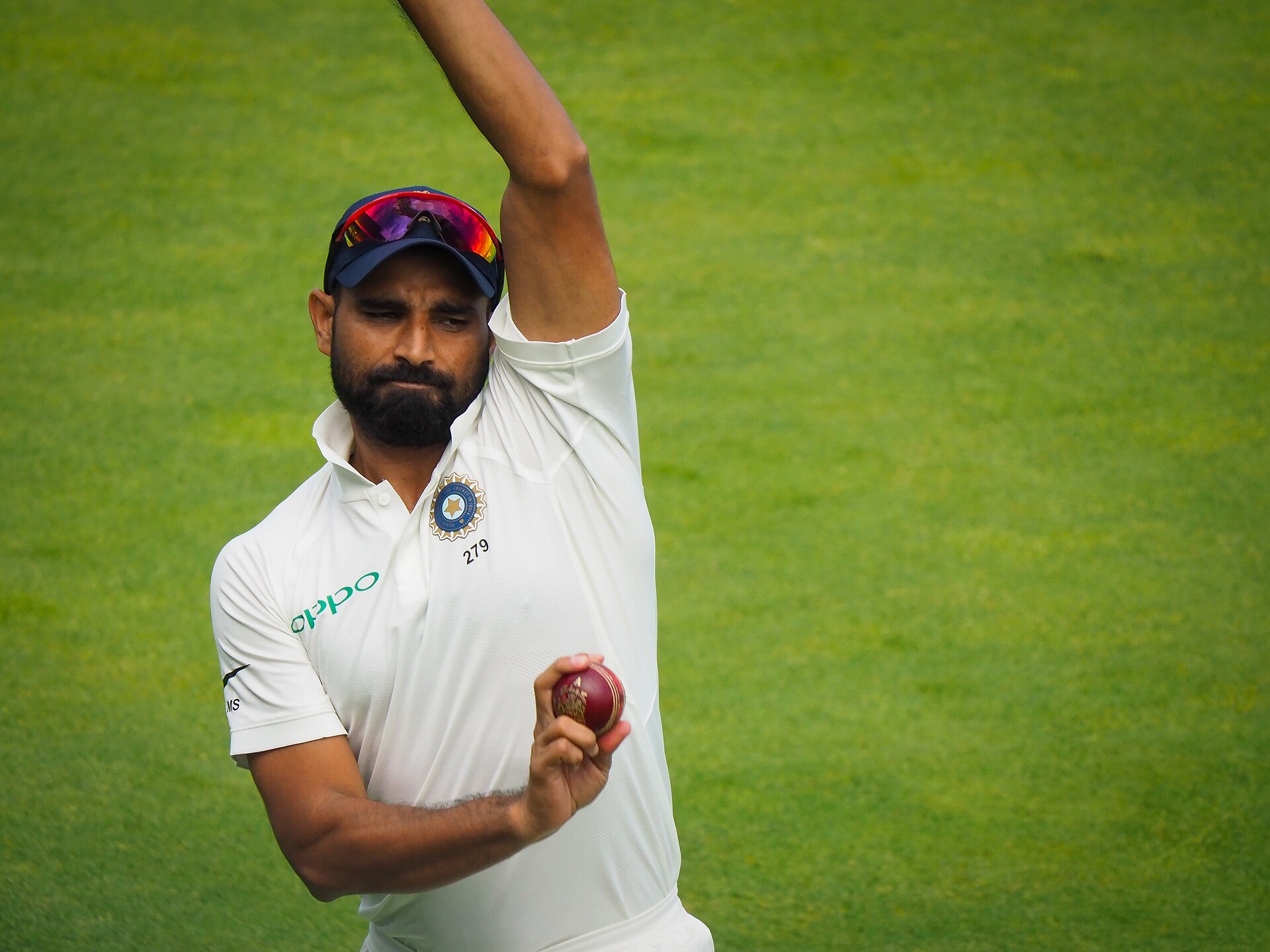
Mohammed Shami’s reported retirement from Test cricket landed with the melancholy of a familiar mistake. We will celebrate the seam position, replay the spells and produce handsome tribute videos. Then the machine will continue exactly as before. Public summaries place his Test career at 64 matches and 229 wickets, a body of work substantial enough to command gratitude and incomplete enough to provoke regret. My view is that Shami’s departure should be discussed not only as an individual choice but as an institutional audit of how India manages elite fast bowlers.
I grew up believing a Test fast bowler was a national asset. He was prepared carefully, used with judgment and judged across long arcs. The modern BCCI economy treats him simultaneously as treasured and endlessly available. He must be sharp for Tests, visible in white-ball series, valuable to a franchise and ready for commercial windows that never quite end. When the body objects, we call it unfortunate. That language is too passive. Calendars are designed by people, workloads are allocated by people and recovery is either protected or sacrificed by people.
The skill was never merely pace
Shami’s beauty lay in repeatability. He did not require theatrical angles or elaborate variation to make a batter feel crowded. The upright seam, full length and late movement created pressure that scorecards often under-described. On flat pitches, he could manufacture danger through accuracy and subtle deviation. In helpful conditions, he made restraint look menacing. Such bowlers make Test teams coherent because they allow captains to attack without gambling every delivery.
India’s fast-bowling revolution is real, and the BCCI deserves credit for improved fitness systems, domestic depth and confidence abroad. I am not peddling the old fantasy that everything was purer before money. Earlier generations were frequently overbowled with fewer medical resources and less financial security. But modern wealth should purchase modern care. If the richest cricket system cannot construct protected Test pathways for its best quicks, what exactly is the wealth for?
The board’s own official platform celebrates India’s teams across formats, while the international calendar documented by outlets such as ESPNcricinfo shows how little genuine off-season remains. I do not object to limited-overs cricket or the IPL. I object to the fiction that every format can expand without one taking resources from another. Fast bowlers pay that bill in cartilage, rhythm and abbreviated careers.
Workload management has become a slogan
“Workload management” is now said so frequently that it has acquired the meaninglessness of corporate wellness. A player is rested from one bilateral match, then expected to accelerate immediately into another competition. Proper management would start with priorities. If a bowler is central to a difficult Test tour, his preceding months should be designed backwards from that assignment. Domestic preparation, controlled spells and recovery should outrank the fear that one television property might briefly lack a star.
This requires selectors to communicate roles earlier and more honestly. Veteran bowlers should know which series matter, what fitness benchmark they must meet and where they stand. Rehabilitation cannot be a mysterious corridor in which updates appear through unnamed sources. When players return, they need match conditioning, not merely certificates from a gym. Bowling fifteen overs in training is not the same as returning for a third spell with an old ball and a Test match turning.
The counterargument is obvious: Shami is an adult, franchise cricket pays handsomely and injuries are inherent to fast bowling. All true. Personal agency matters, and no board can guarantee health. But institutions shape the choices available. When international schedules, central contracts and franchise windows overlap, the individual is choosing inside a system built by administrators. The BCCI cannot collect the benefits of the ecosystem and outsource every consequence to the player.
Test cricket needs ring-fenced specialists
India should identify a group of Test specialists and compensate them at a level that makes selective availability rational. Central contracts must reward overs of high-quality Test bowling, not merely appearances across formats. A fast bowler who skips a low-stakes series to prepare for five Tests should not feel financially or professionally punished. Nor should selection favour the permanently visible over the properly prepared.
The domestic structure matters too. Ranji Trophy cricket should be the laboratory in which returning internationals prove rhythm, but that requires pitches and schedules that serve first-class development. Four-day matches squeezed into exhausting blocks invite caution rather than craft. Groundsmen should not manufacture lottery surfaces merely to force results. A country seeking durable Test bowlers must provide long spells, old balls and batters capable of making them solve problems.
I also want the BCCI to publish anonymised workload research. How many high-intensity overs are bowlers delivering across training and competition? What patterns precede common injuries? How do travel and format changes affect recovery? Sports science gains public trust when its principles can be examined. “The medical team is monitoring him” is not a philosophy. It is a sentence designed to end a press conference.
The farewell should change something
Shami’s career deserves celebration independent of institutional critique. He helped turn Indian fast bowling from an occasional surprise abroad into an expectation. He attacked the stumps, found reverse swing and gave captains control without surrender. His spells carried the satisfying logic of Test cricket: set up the batter, repeat the threat, make patience aggressive. Younger bowlers should study not only his wickets but the deliveries before them.
Yet tribute without learning is sentimentality, and cricket produces too much of it. We mourn a diminished Test career, post a montage and move to the auction. The correct tribute would be to ensure the next Shami does not have to fit Test ambition into the leftovers of a commercial calendar. This is not nostalgia for a sport without money. It is a demand that money be used to preserve the form that produces the deepest skill.
Some will say Test cricket itself is shrinking and specialists are economically unrealistic. I think India is precisely the country capable of disproving that fatalism. Its audience, revenues and player depth give the BCCI unusual power over the global game. If India protects Test windows and values specialists, others must respond. If India treats Tests as prestige content squeezed around everything else, no speech about tradition will rescue them.
The board would rather we remember the trophies and forget the attrition. I remember both. Shami leaves a record any bowler would respect, but I cannot look at 229 wickets without wondering how many remained in the body when schedules and injuries intervened. That question is not an accusation against one doctor or selector. It is an argument about priorities.
My preferred farewell is therefore slightly impolite. Thank you, Mohammed Shami, for making the seam stand upright and batters uncertain. And to the BCCI: stop behaving as though fast bowlers regenerate between sponsorship segments. Choose the Tests that matter, protect the people who can win them and pay them for the restraint that preservation requires. Otherwise the next retirement tribute will be beautifully produced, emotionally sincere and institutionally empty.