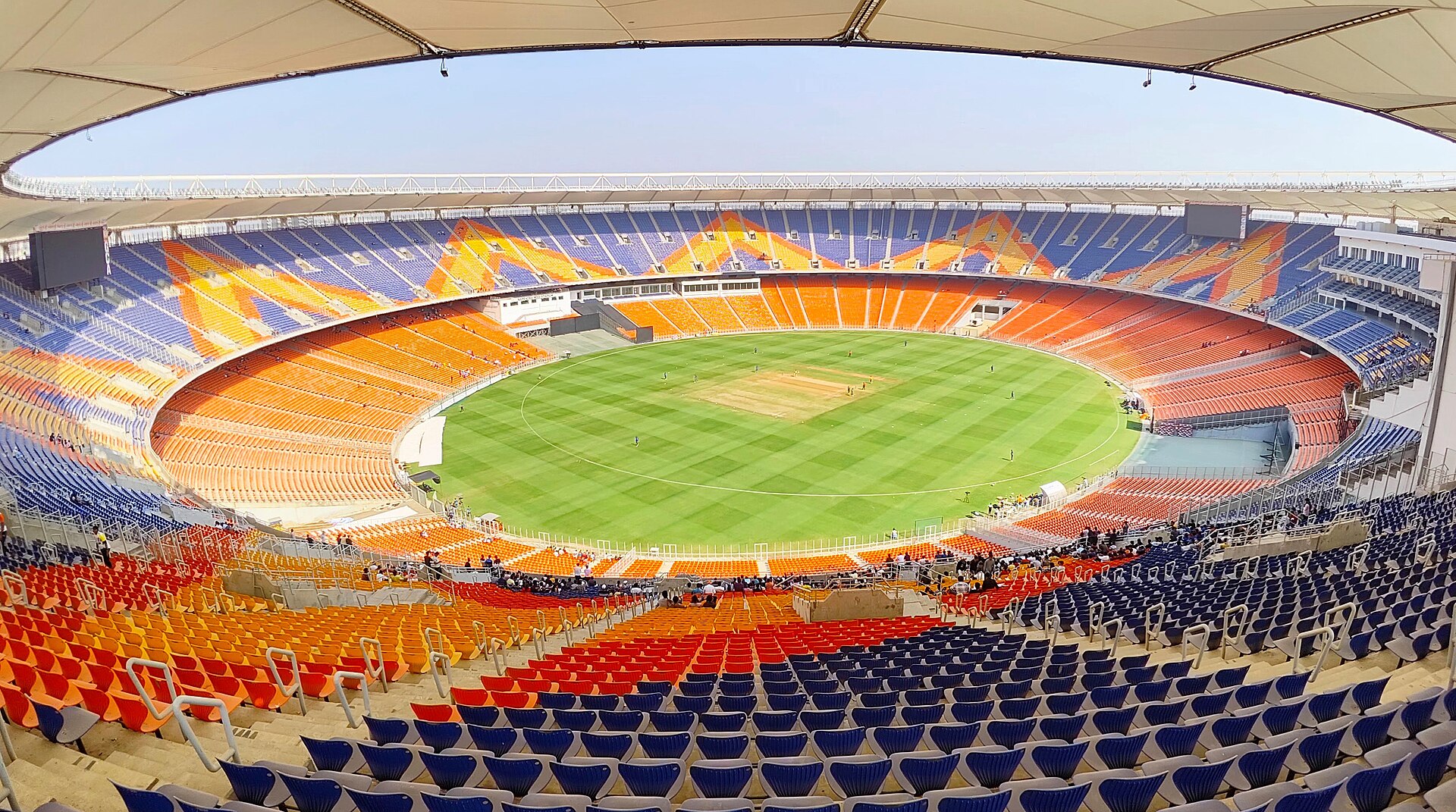

I grew up measuring seasons by Test series. Summer meant England, winter meant a touring side learning that Indian spin was not a charming cultural experience, and five days meant five separate arguments. I do not expect every young fan to share my nostalgia. I do expect the BCCI, custodian of the world’s richest cricket economy, to treat Test cricket as more than an heirloom displayed during speeches.
The danger is not that Twenty20 cricket exists. I enjoy a good T20 match and distrust anyone who pretends a format cannot be legitimate because it ends before bedtime. The danger is institutional hypocrisy: administrators declare Test cricket the pinnacle, then schedule it in awkward windows, market it indifferently and act surprised when empty seats become evidence that the public has lost interest.
A calendar reveals real priorities
Supporters should look beyond slogans and inspect fixtures. The BCCI’s official schedule shows what the board has actually committed to, while ESPNcricinfo’s record of India’s Test results supplies the longer context. India still plays marquee series, but the spaces between them increasingly feel like disconnected ceremonies rather than a coherent championship season.
A Test team needs rhythm. Batters must learn to leave again after months of manufacturing boundary options. Fast bowlers must build spells, not merely deliver four overs at maximum intensity. Spinners need time to deceive rather than defend. Selection also requires evidence from red-ball cricket. When the format appears in isolated blocks, players are asked to change professional identities overnight.
The board will say the international calendar is crowded, and it is. Broadcasters, bilateral commitments, ICC events and franchise leagues all compete for space. But congestion is not an act of weather. The most powerful board helped construct this calendar and has the leverage to improve it. If India cannot protect Test windows, smaller nations have no chance.
I would begin with predictable home seasons. Publish Test dates far enough ahead for supporters to travel. Avoid beginning important matches on working weekdays merely because broadcast inventory requires it. Rotate venues intelligently, but do not confuse rotation with scattering games across grounds that offer no public transport, shade, drinking water or ticketing competence.
The spectator is treated as an inconvenience
Indian cricket’s television product is polished; attending it can feel like applying for a minor government licence. Ticket releases are late. Rules about bags, bottles and entry gates are unclear. Seats bake in the sun. Basic information arrives through rumour. Then administrators point at vacant sections and conclude that Test cricket lacks an audience.
Make admission affordable and frictionless. Let school groups attend designated stands. Offer season passes for all five days and flexible single-day tickets. Publish transport guidance. Permit sensible refillable-water arrangements. None of this requires a strategic consultancy. It requires treating the person in the stand as a customer rather than a security risk who should be grateful for access.
Test cricket also needs storytelling. A series is not simply content between advertisements. Tell viewers why a new opener’s technique matters, why a pitch changes, why a domestic bowler earned selection. Cricket coverage has become very good at promoting celebrities and strangely reluctant to explain the sport. The long form survives when audiences understand its accumulating tension.
The counterargument is obvious: the IPL funds the ecosystem. Correct. It generates enormous value, rewards players and attracts new audiences. My objection is not to the league’s success but to the assumption that commercial success must consume every neighbouring institution. Wealth should buy the BCCI freedom to protect unprofitable or less profitable cricket, not an excuse to abandon it.
Ranji cricket is not a rehabilitation centre
The domestic red-ball structure requires similar honesty. The Ranji Trophy cannot be treated merely as somewhere a discarded international returns to prove obedience. It is the competition that teaches players how to survive bad light, slow pitches, long partnerships and unglamorous travel. Those skills form the technical memory of Indian cricket.
Top players cannot appear in every domestic match, but clearer participation expectations would help. If centrally contracted players are fit and not engaged internationally, red-ball availability should be normal, not an exceptional punishment announced after a poor tour. Young teammates benefit from sharing a dressing room with established professionals, while selectors obtain evidence that nets cannot provide.
Domestic pitches also need attention. A raging turner that ends a match in two days does not necessarily produce international spinners; it can produce bowlers who have never learned patience and batters rewarded for panic. Likewise, lifeless surfaces inflate averages without testing anyone. The board has the resources to monitor preparation, soil, drainage and ground staff across the country.
I would link a portion of association funding to transparent standards: playable outfields, reasonable dressing rooms, live scoring, video coverage, medical support and spectator access. State units enjoy substantial autonomy, but autonomy without accountability too easily becomes entitlement.
What India owes world cricket
There is a larger responsibility. India’s choices shape the economics of the sport. A tour by India can sustain another board; a refusal can deepen its dependence on short leagues. The BCCI need not behave like a charity, but enlightened self-interest should recognise that Test cricket requires credible opponents, varied conditions and more than three wealthy countries playing one another.
That may mean more A-team tours, shared technical support, commercially realistic series against smaller nations and advocacy for a fairer international revenue structure. Fans tire of mismatches, but opponents improve through exposure. India itself benefited from decades of difficult overseas cricket before becoming dominant.
I will admit that nostalgia can make Test devotees unbearable. We sometimes speak as if every drawn match from 1987 was a lost epic and every modern innovation a personal insult. The format does not deserve survival because it reminds me of school holidays. It deserves survival because it tests a broader range of skill, temperament and adaptation than any shorter game.
Survival, however, is not secured by reverence. It requires fixtures, facilities, incentives and attention. The BCCI has more money and influence than any cricket institution has previously possessed. If Test cricket diminishes on its watch, poverty will not be an excuse.
I do not want the five-day game preserved in amber. Day-night Tests, improved over rates, better broadcasts and more imaginative ticketing are welcome. What I want is evidence that administrators regard the format as a living competition rather than ceremonial heritage. Put it on the calendar, place spectators at its centre, strengthen the domestic roots and give other nations room to participate. Otherwise the next speech about Test cricket’s supremacy will sound like an obituary delivered early.