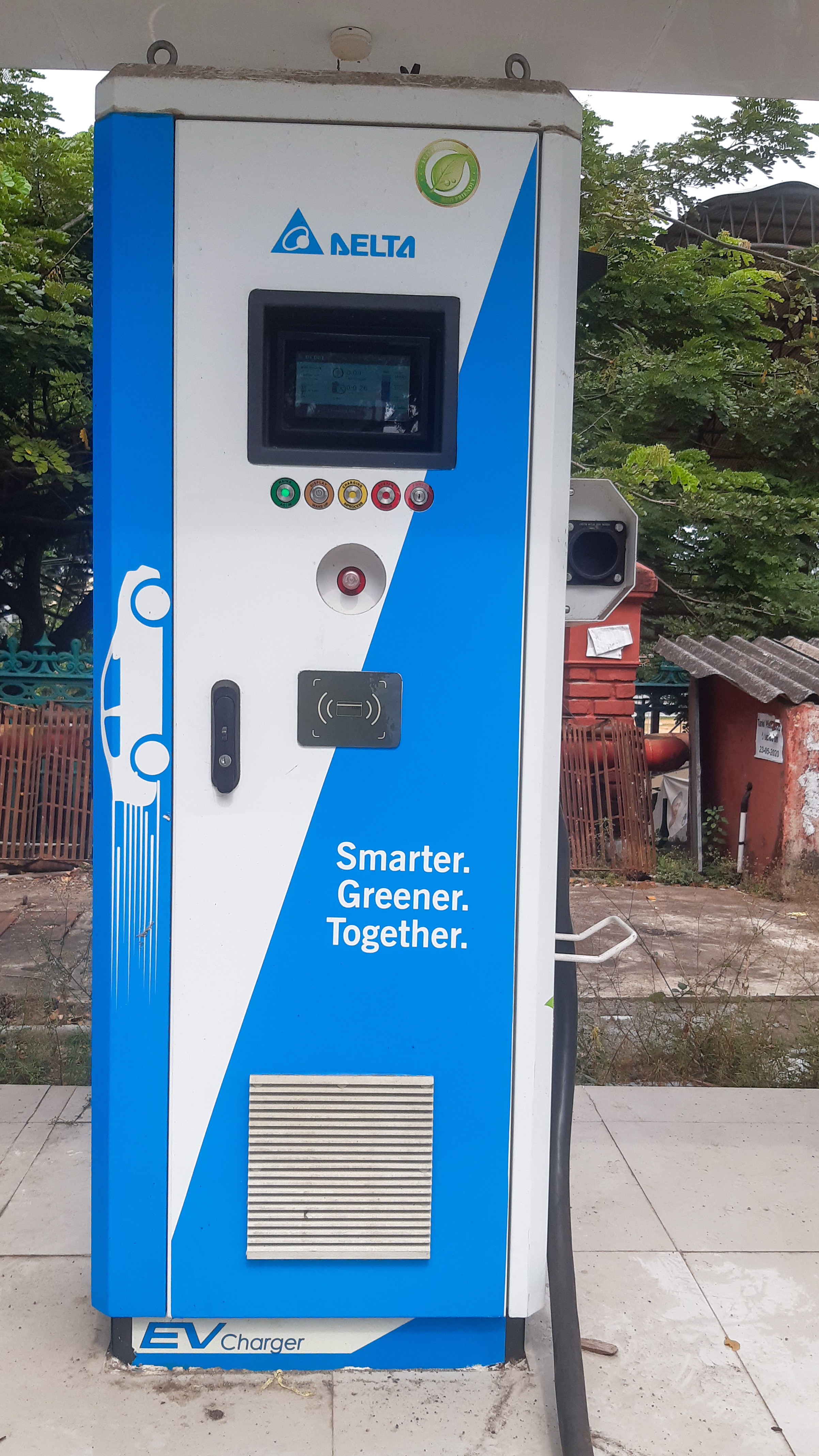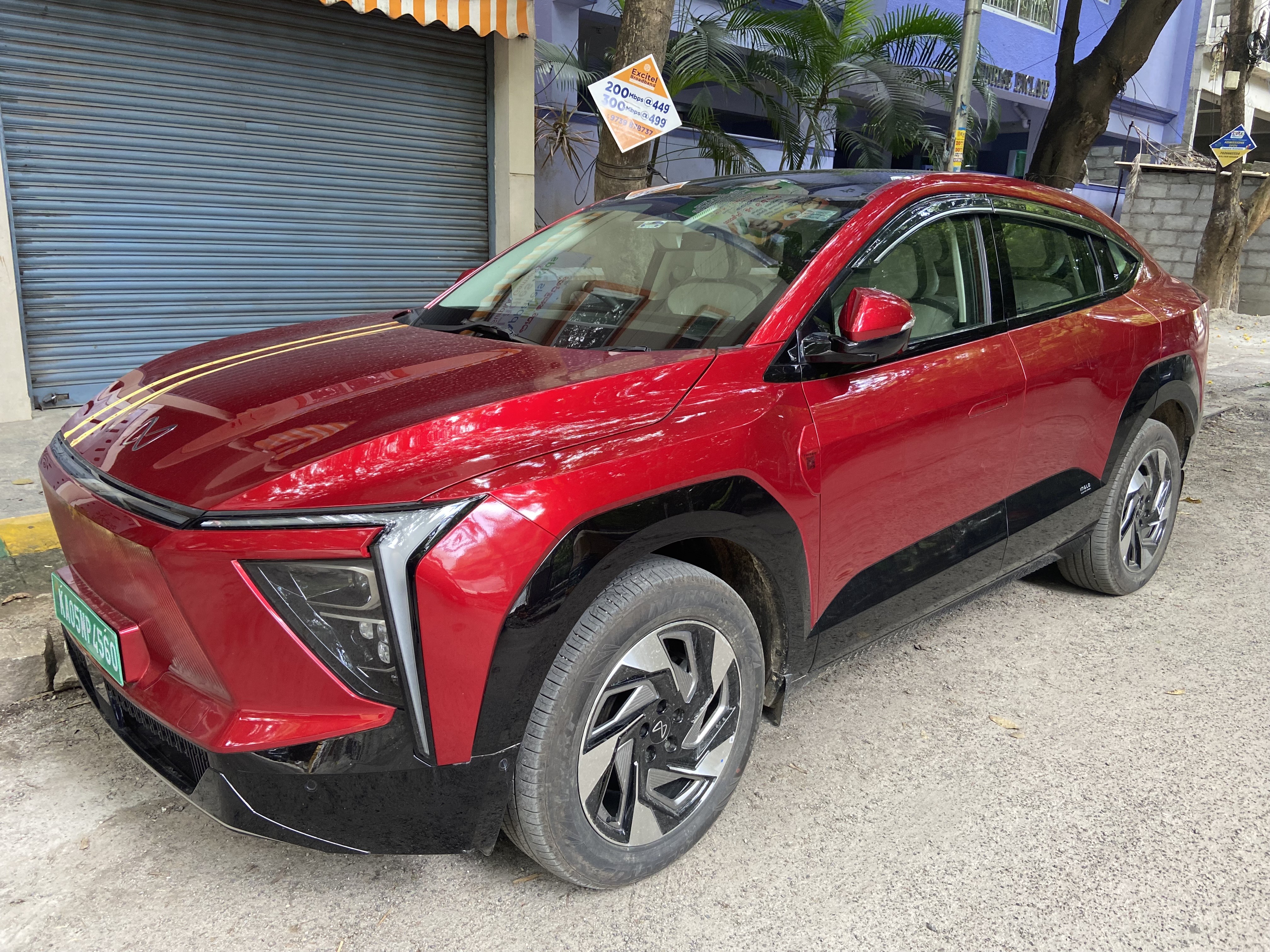
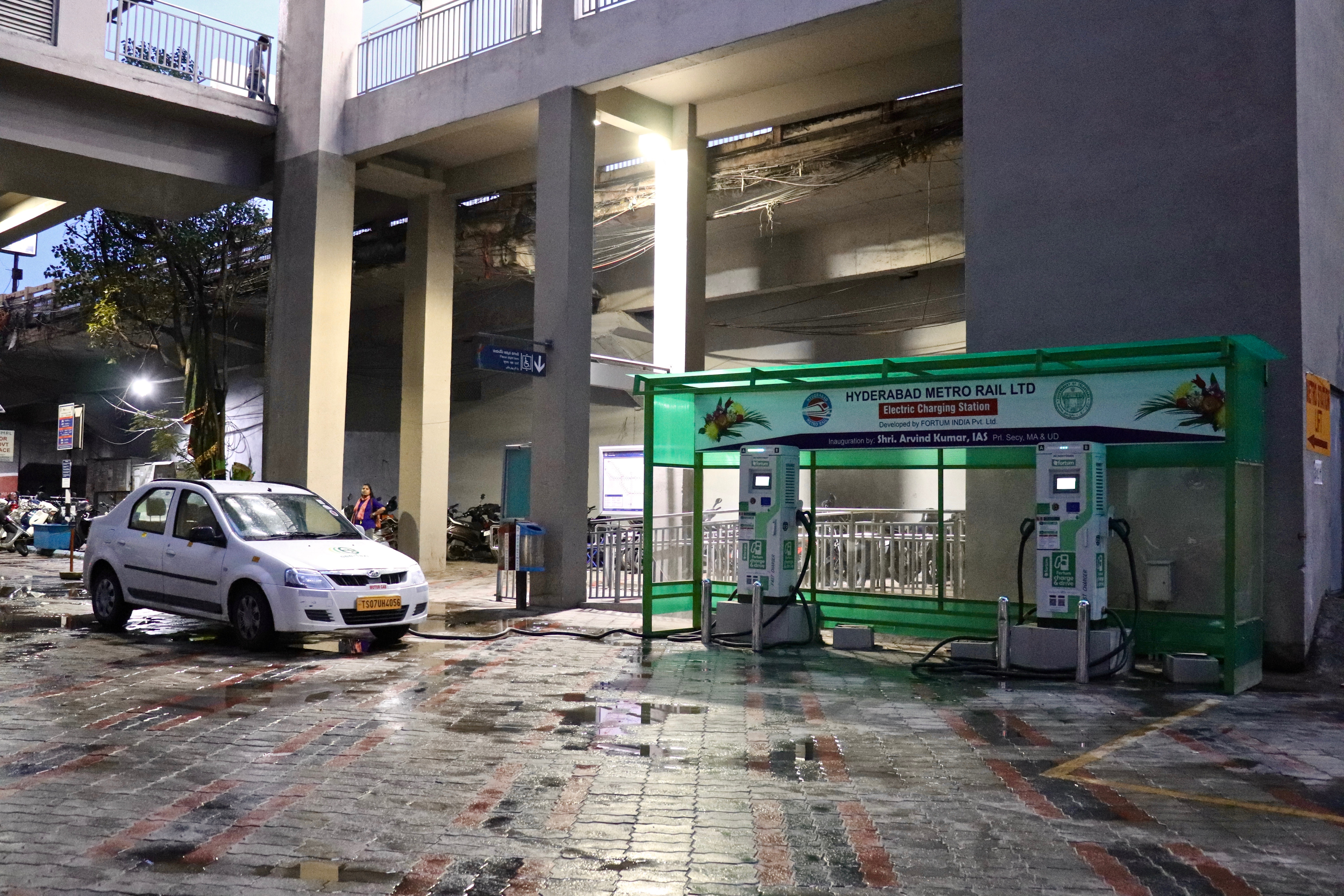
An electric-car showroom is an optimistic place. The battery is full, the route graphic is clean and every charging point on the salesperson’s app glows with the confidence of a railway signal. Ownership begins when the driver reaches one of those points and discovers a locked gate, a failed authentication screen, an occupied bay or a charger delivering far less power than advertised. India’s EV transition will not be decided by the number of chargers approved. It will be decided by whether ordinary people trust the next one.
There is genuine progress. Autocar India reported the government’s approval of 4,874 additional chargers under PM E-Drive and noted the chargers already installed under the earlier FAME framework. That expansion deserves support. But infrastructure announcements usually count hardware, not successful charging sessions. A charger unavailable half the time still appears as one charger in a press release. Drivers experience a probability, not an asset register.
Uptime is the real network
Petrol stations established a simple expectation: arrive, pay and leave. EV charging adds variables—connector, power level, app, account, vehicle communication, parking rules and time. Each variable can fail. Operators therefore need binding uptime standards and public reporting. A network claiming broad coverage should disclose how often each unit is operational, how long faults take to repair and whether advertised power is routinely delivered. Aggregate averages are insufficient; a dead charger on a remote corridor cannot be rescued by ten healthy units in a mall.
Payments should be radically simpler. No driver wants six apps, six wallets and six minimum balances. QR payment, cards or interoperable accounts should work without creating a relationship with every operator. Roaming arrangements can preserve competition while removing friction. The government need not run every charger, but it can set interoperability standards, just as common payment rails transformed other services. The best charging app is eventually no compulsory app at all.
Locations also matter. A charger behind a dealership gate that closes at 7 p.m. is not a highway network. A unit in a dark corner without toilets or security is unusable for many women and families. Sites need lighting, shelter, amenities, mobile connectivity and clear access rules. Charging takes longer than refuelling, so the place around the plug becomes part of the product. Infrastructure planners who count kilowatts while ignoring human waiting have designed only half a station.
Apartments are the urban fault line
Most private EV owners will prefer slow, inexpensive charging where the vehicle is parked overnight. This makes apartment societies central to adoption. Yet residents encounter uncertain wiring capacity, parking disputes, committee permissions and fear about fire. Public fast chargers cannot fully compensate for the absence of home charging; using them exclusively is less convenient and may cost more. Cities need model rules that allow residents to install metered chargers safely while allocating upgrade costs fairly.
Distribution companies should publish clear processes for load enhancement and dedicated connections. Building codes must anticipate charging in new developments, including conduit and electrical capacity even if every parking bay is not immediately equipped. Retrofitting is expensive because planning treated EVs as optional decoration. A modest requirement today can prevent chaotic extension cables tomorrow.
Fire safety deserves accuracy rather than panic. Battery incidents attract attention, but poor wiring and improvised installations create their own risks. Standards, certified equipment, ventilation where required and trained responders are essential. Blanket bans by housing societies may feel safe while pushing residents toward uncontrolled alternatives. Governance should replace fear with inspection and clear liability.
Different vehicles need different infrastructure
India’s EV transition is not primarily a parade of premium cars. Two-wheelers, three-wheelers, buses and commercial fleets can electrify rapidly because their routes and economics differ. A delivery scooter may need battery swapping or depot charging. A bus requires high-capacity scheduled charging. A private car benefits from overnight AC supply and occasional corridor fast charging. Counting all connectors together hides whether each transport segment has the right network.
Highway chargers should be spaced with redundancy. One site is not enough if failure forces a tow; paired sites or multiple units create resilience. Operators must prevent combustion vehicles from occupying bays and discourage EVs from remaining after charging. Transparent idle fees can help, but enforcement should be humane where queues, technical failures or weak mobile signals complicate sessions.
Grid planning is often invoked as a reason for delay. Charging loads are real, especially when multiple high-power units operate together. They are also manageable with forecasting, time-of-use pricing, storage and smart charging. EVs can become flexible demand rather than an uncontrollable shock. The crucial step is coordination among transport departments, distribution companies, municipalities and private operators—institutions that do not naturally share a dashboard.
Trust will sell more EVs than range claims
Manufacturers should integrate charging status into vehicle navigation and take responsibility for partnerships they promote. If a car recommends a charger, the system should know whether it is working, occupied and compatible. Route planning must account for elevation, weather and realistic consumption rather than present a laboratory range as a travel guarantee. Owners quickly learn the difference; honest software would reduce anxiety sooner.
I am optimistic because these are solvable problems. India already knows how interoperable digital infrastructure can transform fragmented markets. It knows how oil companies can operate nationwide sites. It has large fleet operators whose predictable demand can anchor investment. What is missing is an obsession with service quality equal to the obsession with installation totals.
The showroom rarely mentions any of this because uncertainty complicates a sale. I will mention it because the transition depends on informed buyers and accountable networks. Approving thousands of chargers is valuable. Making each one visible, payable, safe and reliably operational is the actual policy. When an EV driver can arrive at the next plug with the dull confidence of someone approaching a petrol pump, the infrastructure gap will finally be closing. Until then, every bright dot on the map should be treated as a promise awaiting verification.