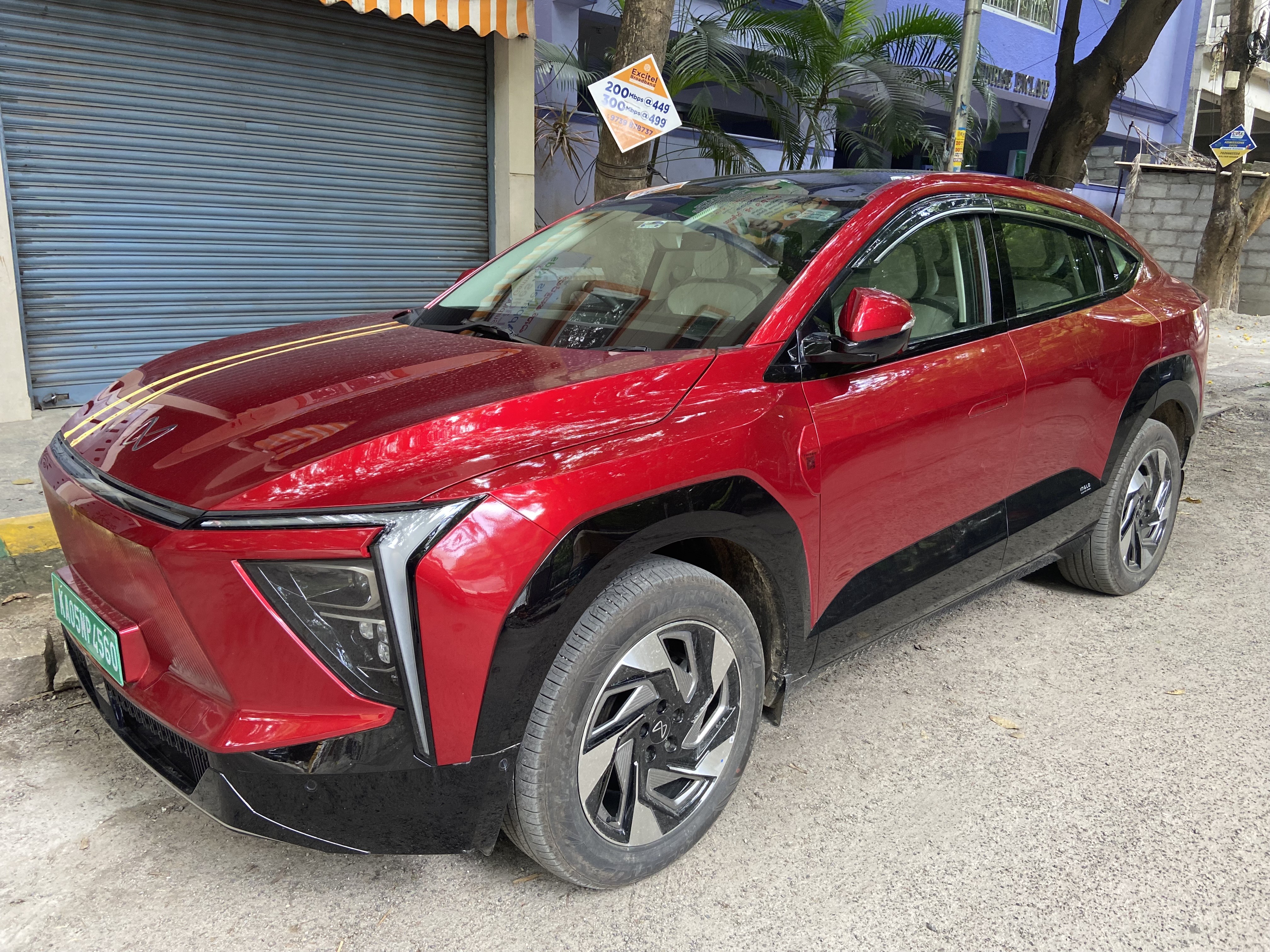
The Mahindra XEV 9e is one of the first Indian cars I can praise without adding “for the price” or “for a first attempt.” It is quiet, fast, spacious and capable of serious real-world range. Naturally, the sales conversation has become obsessed with the largest battery, the most elaborate trim and enough screens to run a small election control room.
My advice is unfashionable: buy the least complicated XEV 9e that meets your actual weekly use. Mahindra has built an impressive vehicle. You do not honour that achievement by financing equipment you will demonstrate twice and then forget.
The fundamentals are genuinely strong
The car’s rear-wheel-drive platform gives it a refinement and balance that earlier converted electric SUVs could not match. The cabin is spacious, performance is effortless and the battery options cover very different needs. Autocar India’s first-drive review details the 59kWh and 79kWh packs, strong performance and fast-charging capability.
More important, the later road test recorded a 456km combined real-world range from the larger battery. That is enough to change the psychology of Indian EV ownership. A driver with home charging can use the car for days without thinking about energy, while many intercity routes become practical with one planned stop.
The ride and performance do not feel like compromises accepted for electrification. Instant torque is entertaining, but refinement is the lasting advantage. In traffic, the absence of vibration and gear changes reduces fatigue. The XEV 9e feels expensive in motion, which matters more than an animated welcome sequence.
There are annoyances. Restricted rear visibility is not cured by pretending cameras never get dirty. Touch-heavy controls demand attention that physical switches do not. Light upholstery and gloss-black trim look excellent in a studio and begin negotiating with Indian dust immediately.
Choose the battery by your worst normal week
Buyers often size an EV for the longest trip they imagine taking once a year. That is like carrying an extra suitcase every day because you may attend a wedding in December. If your normal use is urban, you can charge at home and highway journeys are occasional, the smaller battery may be the rational choice.
The larger pack makes sense for frequent intercity driving, uncertain charging corridors or owners who intend to keep the car long enough for battery ageing to matter. It also adds cost and weight. Range has value, but unused range is an expensive passenger.
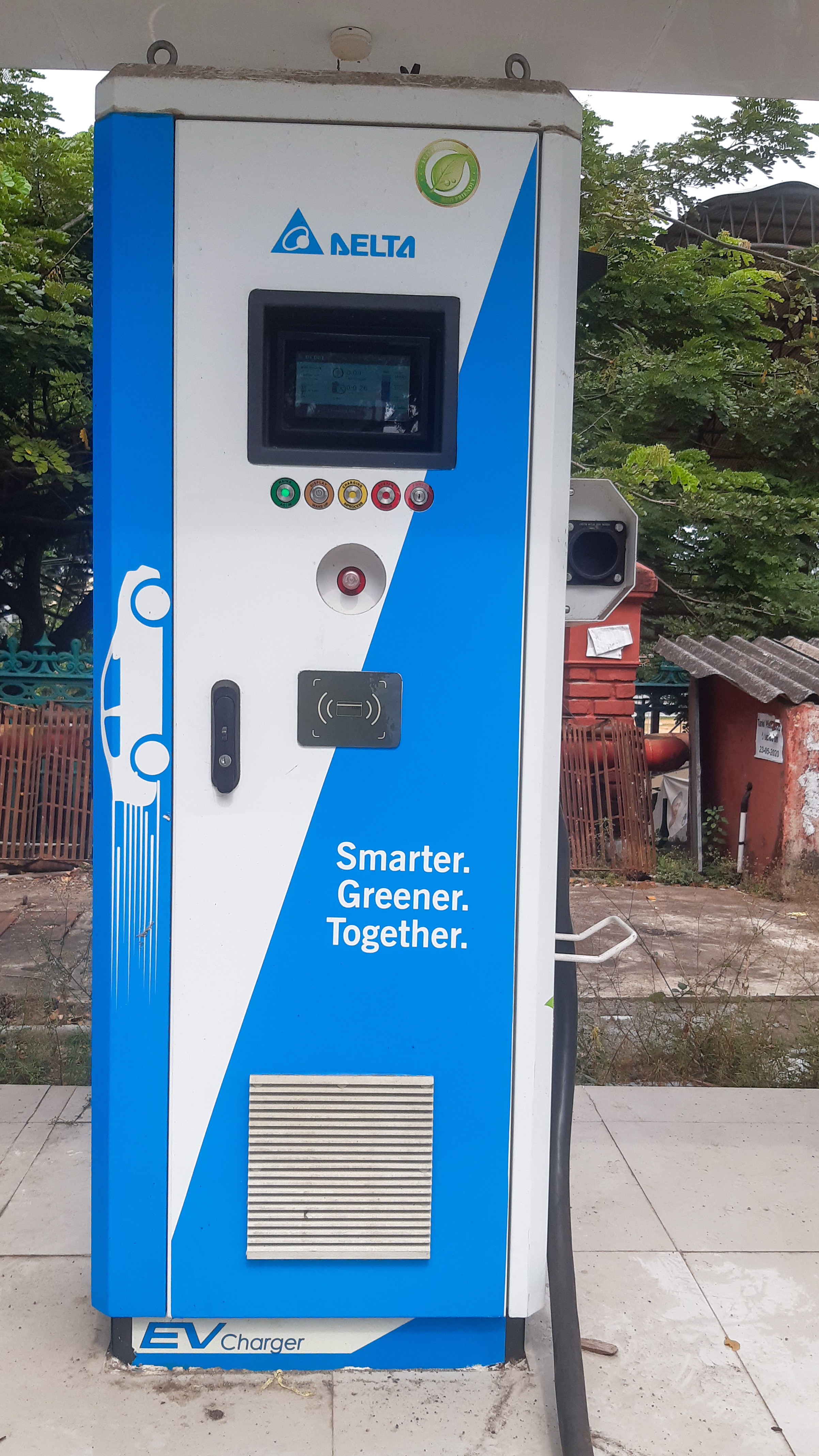
Calculate from real consumption, not the certified figure. Include high-speed driving, air-conditioning, passengers and a reserve you will not willingly cross. Then examine chargers on routes you actually use. A manufacturer’s maximum charging rate is irrelevant if the available unit supplies less or is frequently occupied.
Home charging should decide the purchase before paint colour does. Verify sanctioned electrical load, parking access, cable routing, society permission and installation cost. If you cannot charge reliably where the car sleeps, an EV requires much more planning. No showroom ambient lighting compensates for that.
Top trims are a tax on showroom excitement
Manufacturers concentrate desirable safety or convenience equipment in expensive variants and then add decorative technology to justify the leap. Buyers should separate essentials from demonstrations. A proper safety package, useful cameras, comfortable seats and adequate charging capability matter. A passenger display may not.
Three screens look futuristic, but the passenger already owns a better entertainment device. Complex powered functions create additional failure points after warranty. Huge wheels increase tyre-replacement cost and may worsen ride quality. Fancy flush handles look clean until dust, damage or a weak battery enters the story.
I am not against equipment. Ventilated seats are valuable in India, a good surround camera helps with a large vehicle and effective driver assistance can reduce fatigue when used correctly. I am against buying a bundle without pricing the individual benefit.
The lifetime battery-warranty promise for eligible first owners is reassuring, but buyers should read terms rather than headlines. Warranty coverage does not eliminate degradation, exclusions or the inconvenience of diagnosis. Resale value will depend on transferable confidence, service records and Mahindra’s ability to support the electronics.
A great car still needs a dependable workshop
Mahindra’s hardest test begins after delivery. Software bugs, parts supply and technician training shape ownership more than a launch event. Born-electric architecture demands new diagnostic competence across the dealer network, not only at flagship urban outlets.
Prospective buyers should visit the service centre, ask who handles high-voltage repairs and learn the procedure after an accident. Insurance pricing matters because a minor impact near sensors or battery protection can become expensive. Reliability is not merely whether the motor works; it is whether the entire system can be restored promptly.
The counterargument is that early adopters accept some inconvenience to obtain new technology. Fair enough, but the XEV 9e is priced and marketed as a mainstream premium family vehicle. Its buyers should not be unpaid beta testers.
I would happily recommend it to someone with home charging, a competent nearby dealer and a use pattern matching the chosen battery. I would steer that person away from automatically selecting the top trim. The vehicle’s best qualities—platform, refinement, space and range—exist before the catalogue reaches its final page.
Mahindra has built a world-class foundation. The smartest compliment a buyer can pay is to ignore the showroom theatre, choose the battery honestly and spend the saved money on insurance, a sound charger installation and several years of tyres. Cars are owned on roads, not on specification sheets.