Electric-car sales in India are no longer a rounding error. Autocar India’s September 2026 sales report described rapid year-on-year growth and a widening field of manufacturers. Showrooms will use this momentum to tell buyers the transition has arrived. I agree—provided the buyer owns a parking space with a socket.
For everyone else, India’s EV transition remains conditional. Public chargers appear on apps but may be occupied, broken, inaccessible behind a gate, or incompatible with the payment experience promised. Apartment associations debate liability. Highway chargers cluster where operators expect utilisation, leaving precisely the routes where reassurance is most needed.
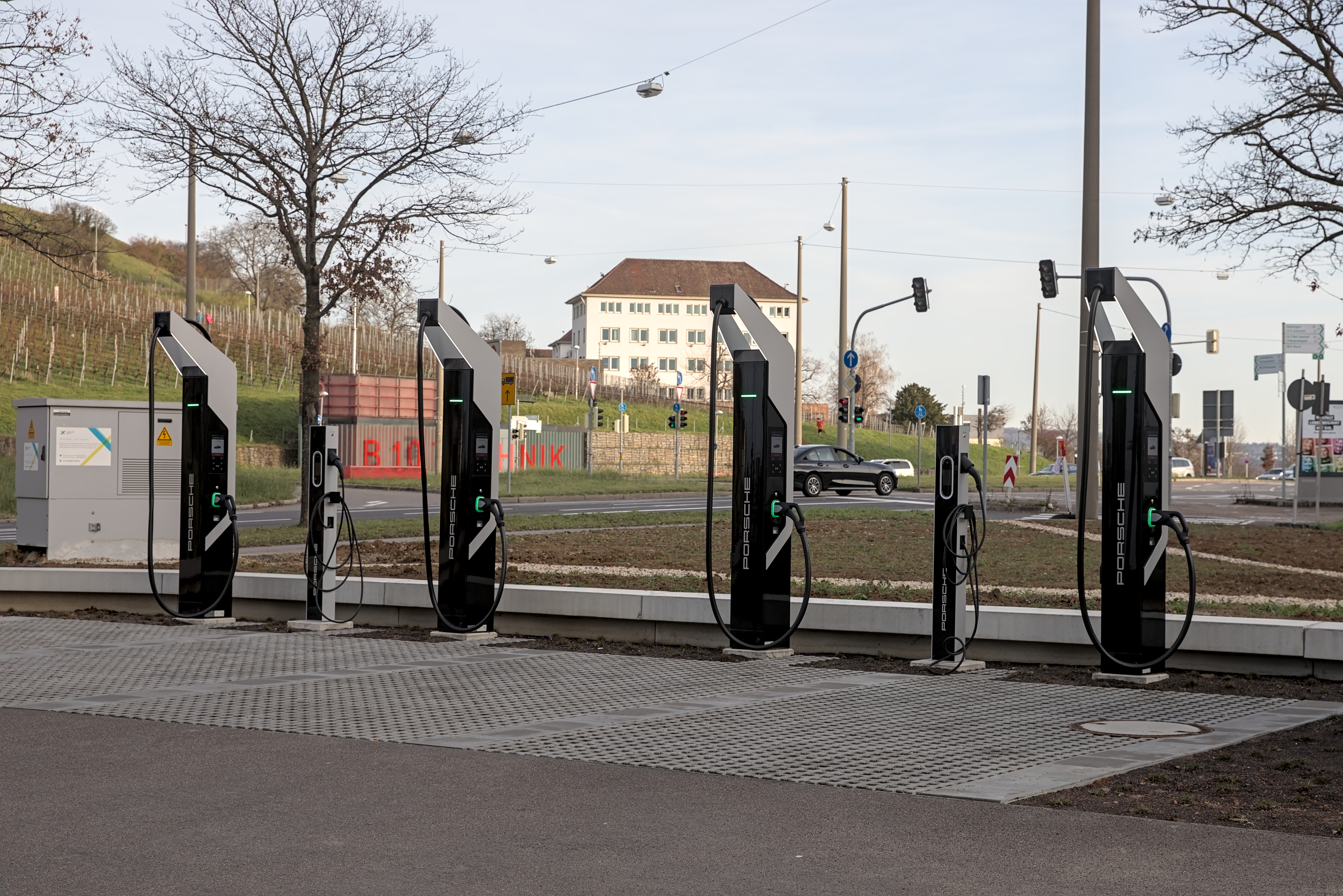
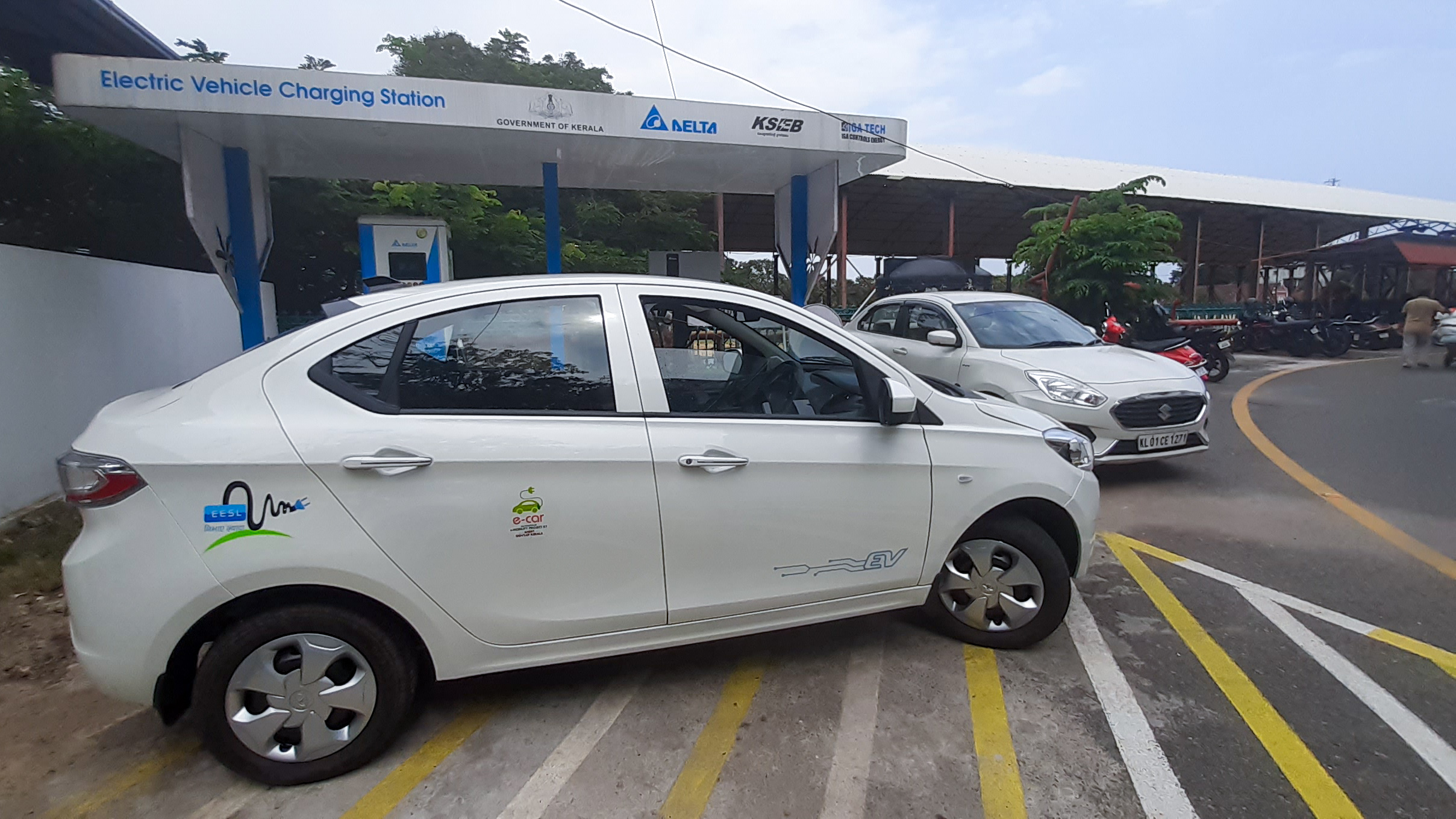
The government’s PM E-DRIVE framework recognises infrastructure as a public-policy problem. Draft charging guidelines under the scheme cover support across vehicle categories. That is welcome. But counting sanctioned chargers will not solve the problem. A charger is infrastructure only when drivers can find, access, pay for and successfully use it.
Availability is not uptime
India loves installation numbers because they are easy to announce. The meaningful metric is successful charging sessions. A station with four connectors, two dead screens and one blocked bay should not count as four units of progress. It should count as one functioning connector and a management failure.
Operators receiving public support should publish real-time uptime through open data. Availability, power level, pricing and maintenance status must be accessible across apps, not trapped inside proprietary systems. Drivers should not need six wallets and four login accounts to travel between cities.
Payment must be boring. UPI, card and a simple guest transaction should work without mandatory account creation. Mobile connectivity at highway locations can be weak, so systems need resilient authentication and clear offline procedures. The charging network should not fail because an app update logged everyone out.
Location design matters as much as the charger. Drivers need lighting, toilets, food, security and space to queue without blocking traffic. Equipment should be protected from heat, rain and careless parking. A fast charger installed in a dark corner behind a closed dealership may satisfy a spreadsheet while failing the family travelling at night.
Pricing transparency is equally important. Some networks charge by energy, others by time or blended structures. Parking fees may appear separately. The driver should see the full expected cost before connecting. Time-based penalties make sense after charging completes because bays must turn over, but they should not punish customers for a charger delivering less power than advertised.
Apartment India is the real test
Home charging is the great advantage of an EV. The car fills while the owner sleeps, avoiding fuel-station detours. Yet millions of urban Indians park in shared basements or open society spaces. Their transition depends less on highway corridors than on resident-welfare meetings.
Housing societies worry about fire risk, electrical load, billing and ownership of cabling. Some concerns are legitimate; others are instinctive resistance dressed as safety. States need standard rules defining a resident’s right to install compliant charging, the society’s reasonable conditions, metering options and responsibility for upgrades.
Distribution companies should offer simple application processes and published timelines for load assessment. Approved installers need clear certification. Fire services should issue practical guidance rather than vague warnings that leave committees paralysed. Insurance products must recognise certified installation and distinguish it from improvised wiring.
Shared chargers may work better than individual points in some buildings, but booking and enforcement become necessary. New building codes should require electrical capacity, conduits and a meaningful share of EV-ready bays. Retrofitting is expensive because we keep designing today’s buildings for yesterday’s fleet.
Tenants are particularly vulnerable. A landlord may see no reason to approve an installation for a temporary resident, while the tenant cannot carry fixed wiring to the next house. Portable metered solutions and shared infrastructure can help, but policy discussions too often assume every car buyer owns property.
Highway confidence requires redundancy
Modern EVs offer ranges that make intercity travel realistic. The problem is not always distance between chargers; it is the risk attached to one critical site. A route with a charger every 100 kilometres can still be fragile if each location has a single connector. Failure turns convenience into recovery planning.
Priority corridors need redundancy in equipment and operators. Multiple working connectors, reliable power and alternative sites within a reasonable distance matter more than a solitary ultra-fast unit used for a ministerial photograph. Maintenance teams need service-level obligations and spare parts nearby.
Grid connections can delay stations, and high-power demand charges complicate economics where utilisation is initially low. Public support is justified for strategically important low-utilisation corridors, but subsidies should be tied to uptime and session data. Operators must not be paid mainly for procurement.
Battery and vehicle technology will keep changing. Chargers should follow interoperable standards and be upgradeable where possible. India must avoid stranded hardware that cannot deliver the voltage or communication protocols required by newer vehicles. Procurement should include software support, cybersecurity and parts commitments.
Maps must indicate whether a location accommodates buses, trucks or only cars. Commercial EVs have different dwell times and space requirements. Mixing every category at a poorly designed plaza creates conflict. The national network needs layers: urban destination charging, fleet depots, highway fast charging and heavy-vehicle corridors.
The showroom conversation nobody hears
Dealers discuss claimed range, acceleration and savings. They should be required—at least by honest management—to conduct a charging assessment. Where does the buyer park? What electrical connection exists? Which routes are routine? What is the nearest authorised service centre and dependable fast charger? An EV recommendation without these questions is incomplete selling.
Buyers must also understand that charging speed varies with battery temperature, state of charge and the station’s capability. A headline peak is not the speed sustained from empty to full. Cars usually charge fastest across a middle band, then slow to protect the battery. Planning a trip around arriving low and leaving before 100 percent can save time.
Range anxiety is often mocked as ignorance. Sometimes it is infrastructure memory. Indian drivers have experienced fuel stations almost everywhere and expect equipment to work. Asking them to accept uncertain chargers, app fragmentation and support calls requires evidence, not lectures. Trust will grow through uneventful journeys.
The environmental argument also needs honesty. EVs eliminate tailpipe emissions and can improve urban air, while lifecycle impact depends on electricity and manufacturing. Charging at times aligned with cleaner or underused grid capacity can improve outcomes. Smart tariffs should reward flexible overnight charging without allowing utilities to control mobility intrusively.
What success should look like
I want a national charging reliability index based on verified successful sessions, uptime, average delivered power and complaint resolution. Public money should flow toward networks meeting performance thresholds. Data should be anonymised and open enough for researchers and navigation providers.
I want one interoperable discovery and payment layer, even if operators retain their own apps and loyalty programmes. Roaming arrangements are normal in other network industries. Competition should be over price, location and reliability—not the customer’s tolerance for downloading software.
I want apartment-charging rights embedded in state regulations, supported by technical standards and dispute mechanisms. A compliant installation should not depend on whether a committee secretary personally likes electric cars.
I want highway tenders to specify amenities, security and redundancy. Women driving alone should not have to choose between a dark charger and arriving with an unsafe battery margin. Infrastructure planning that ignores the body using it is incomplete.
Finally, I want manufacturers to co-invest beyond branded launch corridors. They benefit from a common network and should support interoperability rather than walled gardens. Tesla-style proprietary control is less useful in a price-sensitive, multi-brand Indian market than shared reliable standards.
India’s EV sales growth is real, and the improving range of cars deserves optimism. The risk is that early success among homeowners in major cities will be mistaken for universal readiness. The next buyers will have harder parking, longer routes and less patience for experimentation.
A transition succeeds when technology becomes ordinary. Nobody should congratulate a charger for existing. It should work, accept payment and release the cable without drama. Until that experience is common across apartments, towns and highways, the sales chart will remain ahead of the infrastructure—and every showroom promise will contain a socket-shaped asterisk.