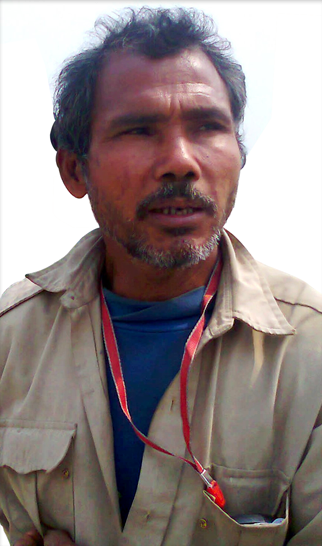
Jadav Payeng’s story is almost too perfectly shaped for the internet. A teenager sees ecological devastation, begins planting on a barren sandbar and continues for decades until a forest emerges. There is a hero, a damaged landscape, persistence and visual transformation. The story travels because it gives us hope in a form that fits comfortably on a screen. What worries me is what happens after the applause. Inspiration can become a way for institutions to outsource responsibility to exceptional individuals.
Payeng’s long work and the forest associated with him have been described in public profiles, including this account of his decades of planting. A scholarly overview is also available in this environmental publication discussing Payeng and ecological restoration. Exact popular estimates of area and animal populations vary, so I am less interested in turning the forest into a numerical miracle than in understanding why one person kept caring for a place most people considered expendable.
Persistence is not magic
The phrase “single-handedly planted a forest” is irresistible and incomplete. Forests are living systems shaped by water, soil, seed dispersal, animals and time. Payeng’s work was extraordinary because he collaborated with those processes rather than manufacturing scenery. Planting is only the beginning. Saplings must survive floods, grazing, heat and changing river channels. Species composition matters. A plantation of identical trees is not the same as a functioning forest.
This distinction matters because governments and corporations love plantation counts. A campaign announces millions of saplings, distributes photographs and rarely returns to measure survival. The number planted becomes the achievement even if most die. Payeng’s example points in the opposite direction: continuity, observation and care. Ecological restoration is not an event. It is a relationship maintained across seasons, including the seasons when nobody is filming.
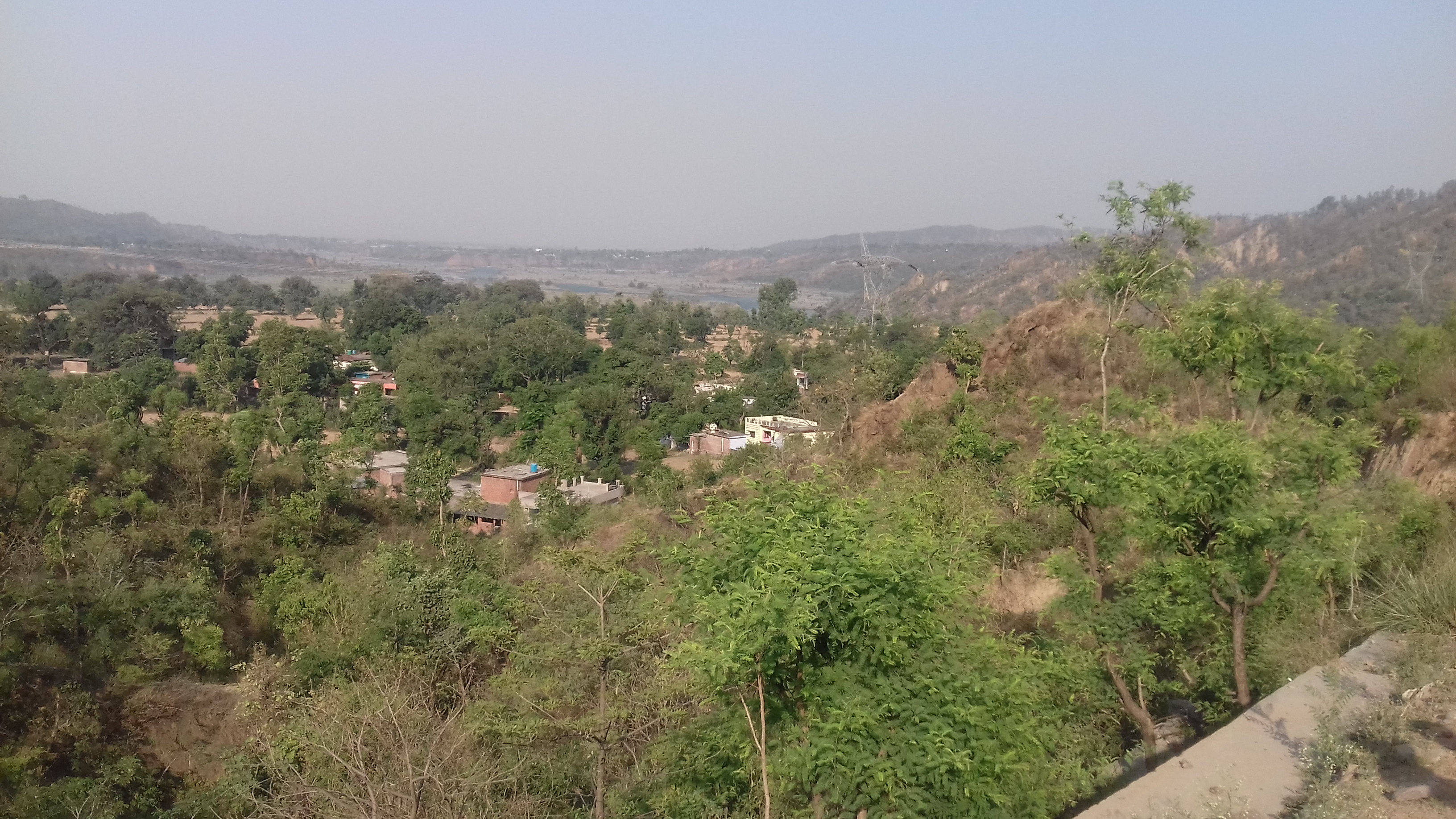
The Brahmaputra landscape also resists simple ownership narratives. Sandbars shift; floods create and erase land; communities depend on grazing, fishing and cultivation. Conservation cannot be imposed as though human use were an intrusion into an otherwise static map. Payeng’s knowledge emerged from living with the river. Any institutional effort to protect the forest must include local communities and recognise customary realities rather than arriving with fences and a press release.
The hero story hides the supporting conditions
We enjoy singular heroes because systems are difficult to photograph. Yet no individual can secure land rights, prevent all encroachment, manage wildlife conflict, fight fire, monitor biodiversity and navigate every government department indefinitely. Fame may attract attention, but it can also attract visitors, competing claims and symbolic appropriation. The forest needs durable protection that does not depend on Payeng’s personal presence.
Local forest officials, researchers and community organisations should document species, threats and hydrology without turning the site into a laboratory that excludes its creator. Scientific knowledge and lived knowledge are complementary. Researchers can measure change; residents recognise patterns invisible during short field visits. Respect requires more than placing Payeng on a stage. It means giving his observations weight in management decisions.
Tourism needs particular caution. A famous forest can generate income and wider support, but uncontrolled access brings waste, noise, fire risk and disturbance. The temptation to build viewing platforms, roads and souvenir stalls can destroy the qualities visitors came to admire. Community-led limits, trained local guides and transparent revenue sharing are more sensible than mass promotion. Not every inspiring place needs to become an attraction at industrial scale.
Restoration must include livelihoods
Environmental storytelling often places villagers in one of two roles: noble guardian or destructive encroacher. Real life is less tidy. A family may protect trees while needing fuel, fodder or farmland. Conservation rules that ignore livelihood pressures eventually produce resentment or evasion. Restoration programmes should pay people for skilled ecological work, not expect permanent volunteerism because Payeng’s devotion makes sacrifice look romantic.
India could build local restoration fellowships that support individuals and groups over many years. Funding should depend on ecological outcomes—survival, diversity, soil and water improvement—not merely sapling purchases. Participants need training, equipment, insurance and links to scientific advice. Women’s collectives, pastoral communities, fishers and indigenous groups already possess relevant knowledge. The state’s role is often to secure tenure, remove bureaucratic obstacles and provide continuity.
Corporate social responsibility money can help, but short budget cycles are poorly matched to forests. A company wants a visible result within the reporting year; an ecosystem may need decades. Partnerships should establish long-term maintenance funds and independent monitoring. Branding must remain secondary. A forest is not outdoor advertising with leaves.
Hope should make demands on us
I understand why Payeng’s story comforts people anxious about climate and biodiversity. It demonstrates that action can accumulate. But hope becomes sentimental when it asks nothing of the audience. Planting one tree is worthwhile; it does not compensate for supporting policies that destroy mature ecosystems. Celebrating one restored forest while accepting indiscriminate clearing elsewhere is moral bookkeeping with imaginary credits.
Mature forests cannot always be replaced through plantation. They contain relationships, soils and genetic diversity formed over long periods. Restoration is necessary where land has been degraded, but avoidance of damage remains the first priority. Payeng’s achievement should not be cited as evidence that nature can simply be rebuilt after every project. His decades of work demonstrate how costly and uncertain rebuilding is.
The story also changes how I think about time. Electoral and corporate systems operate in short cycles; ecological repair operates across generations. Payeng continued without waiting for a complete funding proposal or guaranteed recognition. Institutions must learn to support that horizon. This could mean protected budgets, community trusts and monitoring commitments that survive changes of officers and governments.
Children should learn about Payeng, but not as a fairy tale in which a heroic man solves deforestation. They should ask what species grew, how the river shaped the land, what threats remain and which institutions are responsible now. Education that ends with admiration wastes the story’s analytical power. The lesson is not that every child must personally grow a forest. It is that patient care can transform a place, and society must create conditions in which such care is possible.
I am moved most by the unrecorded days: the journeys made when no journalist waited, the failed saplings, the repetitive work whose result was not yet visible. Human-interest stories often compress decades into a montage and make perseverance appear inevitable. It was not. Continuing was a choice renewed thousands of times. Recognising that difficulty makes the achievement larger, not less magical.
Jadav Payeng deserves every honour that brings protection and resources to the forest. He deserves something more demanding than praise: institutions that ensure the ecosystem does not become vulnerable when attention shifts. Assam and India should document the landscape, secure community participation, manage tourism and fund long-term care. The forest should not remain a monument to what one citizen did while the state watched admiringly from afar.
His story mattered because it restored agency without denying scale. One person cannot solve climate change, but one person can alter the future of a place. Institutions cannot manufacture devotion, but they can either exhaust it or help it spread. I want us to stop consuming Payeng as inspirational content and begin treating his work as a policy question. The most respectful response to a man who kept planting is not another standing ovation. It is ensuring that the forest, and the people who live with it, have a future beyond his fame.