Television has discovered that Partition is inexhaustible content. Add a border graphic, invite four professional interrupters and ask who betrayed whom in 1947. The dead are drafted into contemporary party politics, the displaced become demographic abstractions, and the anchor acquires historical expertise during the commercial break. The Partition Museum in Amritsar does something more radical: it lets objects and ordinary voices resist the convenience of grand narration.
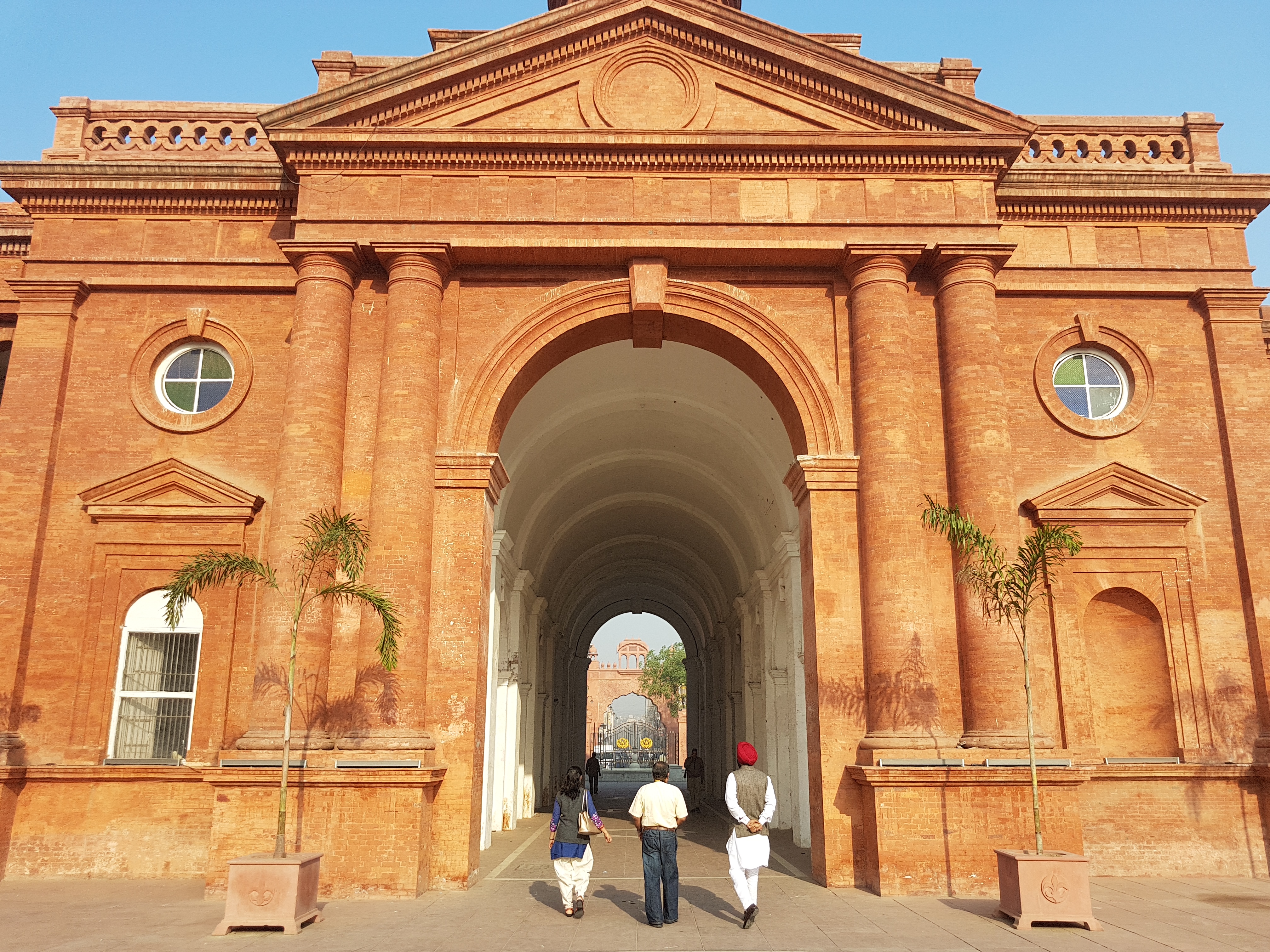
The museum describes its survivor-donated artefacts and expanding oral-history archive on its official collections page. The government’s Incredible India profile explains its setting in Amritsar’s Town Hall and its effort to preserve lived experience. What strikes me is not simply that memory is being stored. It is the museum’s insistence that history happened to particular bodies carrying particular possessions, not to arrows moving neatly across a textbook map.
Objects are poor propagandists
A suitcase cannot deliver a campaign speech. A garment does not know which present-day faction should feel vindicated. That is why such objects are powerful. Their smallness exposes the obscenity of mass displacement. National histories speak of millions; a family remembers what could be carried. The administrative language of transfer becomes a set of keys to a house no longer reachable. Statistics establish scale, but objects restore proportion between the event and the human being.
Museums sometimes turn suffering into tasteful display. Lighting, captions and glass cases can domesticate terror, allowing visitors to consume tragedy at a comfortable distance. A people’s museum must constantly resist that danger. Oral testimony helps because a voice contains hesitation, contradiction and emphasis that a polished plaque removes. Memory is imperfect, but its imperfections reveal how an event continued inside a person long after official dates ended.
The artefact also challenges heroic national narratives. Independence was a political achievement of extraordinary importance, yet its arrival coincided with rupture, killing and migration. Holding both truths is not disloyal. It is adulthood. Nations become brittle when they require history to produce only pride or only shame. A museum can place celebration and grief in the same building without asking one to cancel the other.
Partition was lived below the level of leaders
Public debate gravitates toward famous men, negotiations and high policy. Those decisions matter, but exclusive focus on them encourages endless counterfactual litigation: if one leader had agreed, if another had waited, if a third had drawn differently. Ordinary people appear only as consequences. Oral histories reverse the angle. We hear how rumours spread, how neighbours behaved, how journeys were organised and how families reconstructed lives with incomplete information.
This local view complicates moral sorting. There were perpetrators, victims, rescuers, opportunists and frightened bystanders across communities. One person could occupy more than one role over time. Political narratives dislike such complexity because they prefer inherited innocence and inherited guilt. Yet complexity does not mean evading judgment. It means judging actions precisely rather than assigning moral character by category.
The museum’s location in Amritsar is therefore significant. The city was not an abstract witness. It received refugees, absorbed trauma and changed materially. Visitors move between contemporary streets and archived dislocation. History is not sealed behind glass; it shaped property, language, food, business and family networks outside. A good museum changes the way one sees the city after leaving.
Memory has a closing window
The generation with direct adult memory of 1947 is disappearing. Recording testimony is now an emergency disguised as archival work. Each unrecorded death removes vocabulary, sensory detail and family knowledge that official files cannot recover. Governments preserve orders and correspondence because bureaucracies generate paper. The domestic experience—what was cooked, hidden, exchanged or abandoned—survives only if families and researchers make an effort.
Digitisation can widen access, but it should not become another excuse for collecting material without caring for it. Archives require metadata, translation, preservation formats, consent rules and long-term funding. A hard drive is not institutional memory. Nor should platforms extract dramatic fragments for social media while severing them from context. The short clip may attract attention; the full testimony must remain accessible to researchers and descendants.
Schools should use these archives carefully. Students do not need sanitised harmony lessons, but neither do they need traumatic spectacle. They need primary sources placed alongside maps, law, political history and demographic change. Comparing testimonies can teach that memory is situated without teaching that facts are optional. This is historical literacy, a skill our public debates conspicuously lack.
The present keeps trying to conscript the past
Partition memory remains politically active because India and Pakistan continue to define themselves partly through separation. Contemporary violence or diplomatic conflict reactivates old stories. Families understandably interpret the present through inherited experience. Politicians understand this and may use memory as an emotional reserve. A museum cannot neutralise politics, nor should it pretend to. It can make exploitation harder by preserving detail that refuses slogans.
I am wary of the fashionable phrase “healing,” which museums and conferences deploy as though viewing an exhibit completes a psychological treatment. Some wounds do not heal neatly; some descendants do not want reconciliation prescribed by comfortable outsiders. The more modest aim is recognition. A person’s loss enters the public record. A family object is treated as evidence. Visitors encounter lives across boundaries without being ordered to reach an approved emotion.
Cross-border archival cooperation would be valuable and difficult. Political relations, visa restrictions and institutional suspicion obstruct the sharing of material. Digital partnerships can help, provided security and consent are respected. Partition is a shared history that produced different national memories. Preserving only one side’s voices creates an amputated archive. Listening across borders does not require accepting false equivalence about every event; it requires recognising that suffering did not stop at the customs post.
The museum also offers a lesson for journalism. Human-interest reporting is often dismissed as soft, yet an individual object or testimony can make structural history comprehensible without simplifying it. The problem is not emotion. It is emotion detached from evidence. A carefully documented coat can teach more than an hour of performative outrage because it anchors feeling to a life and date.
I would rather political leaders visit quietly than deliver speeches there. Museums become less useful when converted into ceremonial backdrops. Their job is to preserve awkwardness, not to certify whichever national message is fashionable. Funding should protect professional independence, conservation and continued collection. The archive will outlast today’s hashtags if we allow it to.
The Partition Museum matters because it distrusts the aerial view. It brings history back to the scale of a pocket watch, a photograph, a train journey and a voice that pauses before remembering. That scale does not make the event smaller. It makes our rhetoric look smaller. The next time a studio panel claims ownership of 1947, I recommend leaving the television off and spending time with the people who actually carried history across the border. They speak more softly, which is precisely why we should listen harder.