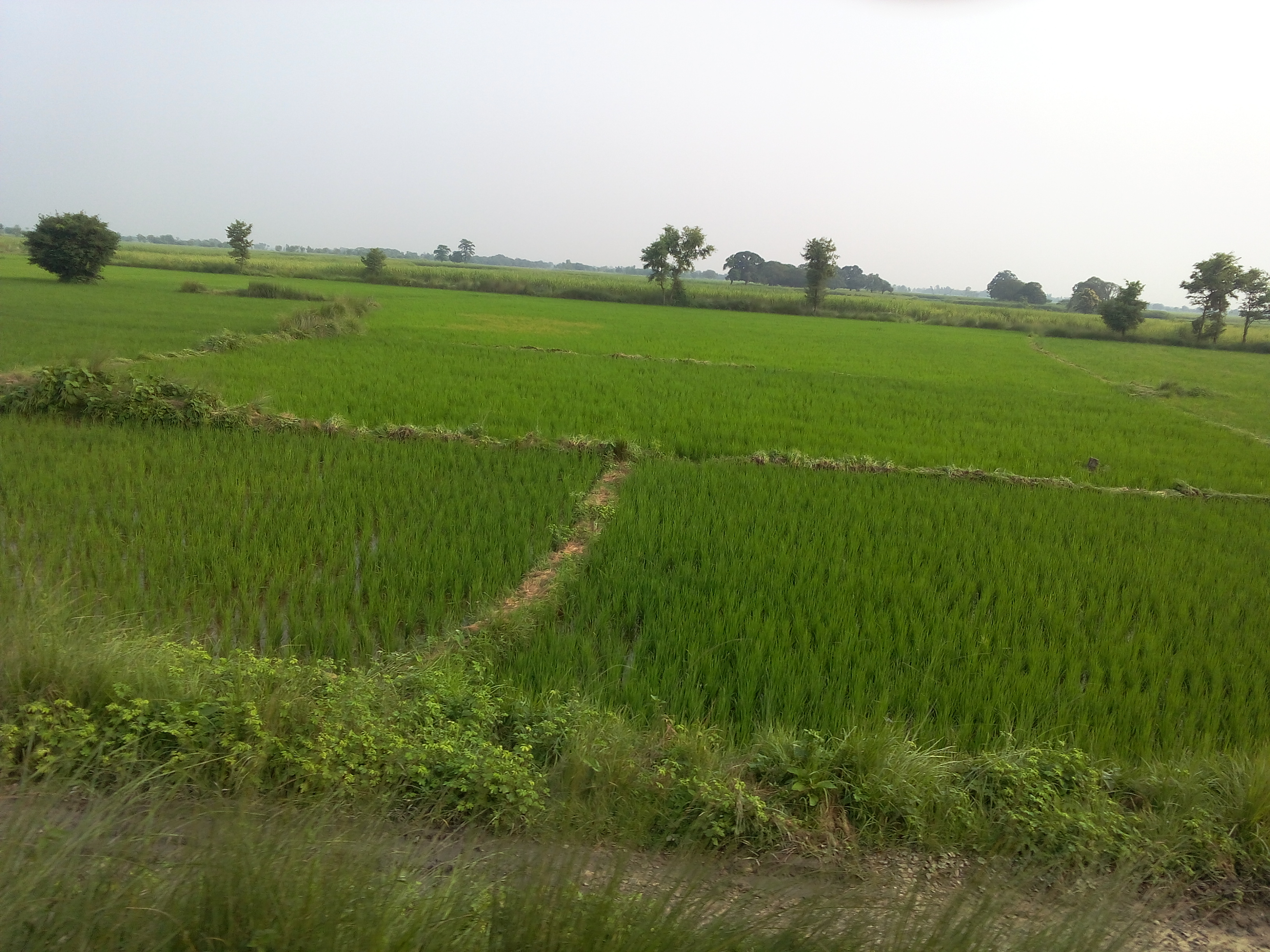
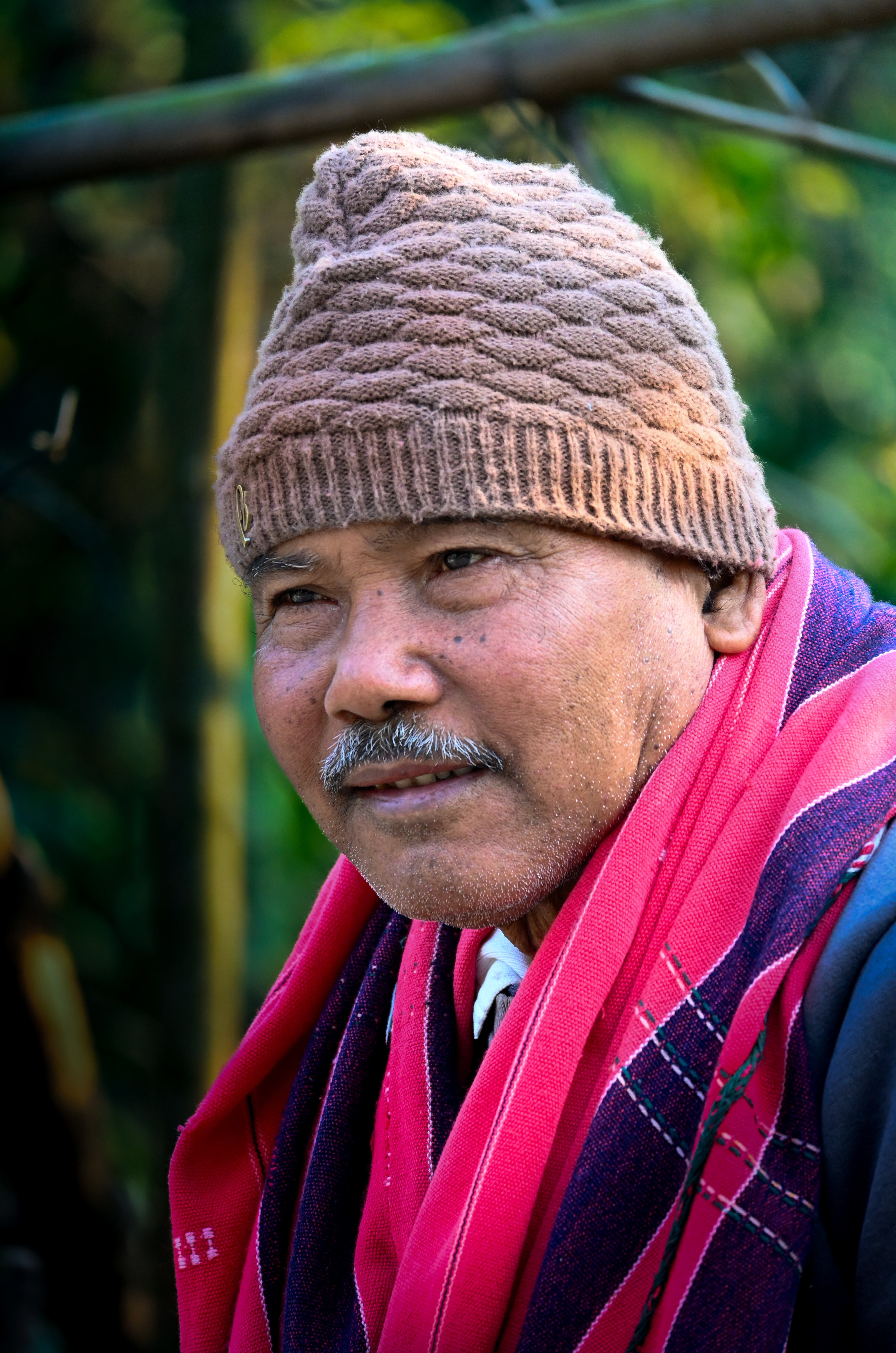
Jadav Payeng’s story seems designed for the part of us that wants environmental repair to have a single face. A young man begins planting on a barren sandbar in Assam; decades later, a forest stands where there was exposed land. Wildlife returns. The planter becomes known as the Forest Man of India. It is beautiful, concrete and easy to narrate, which is precisely why I think we should handle it carefully.
Payeng’s achievement on Majuli’s riverine landscape is real and astonishing. The Government of India recognised him with the Padma Shri, and the 2015 Padma Awards notification records that honour. Profiles including the Britannica biography of Jadav Payeng recount his long planting effort. I understand why people love the story. One person’s persistence becomes visible as trunks, shade and habitat. Hope has acreage.
The hero story inspires—and lets systems hide
When we describe Payeng as a miracle, institutions receive an unintended gift. If restoration requires a uniquely devoted hero, ordinary agencies are excused from maintaining nurseries, protecting commons, controlling erosion and supporting communities. The exceptional person becomes evidence that change is possible and an alibi for why it is not routine.
I do not want to diminish individual agency. Payeng reportedly began when he saw the deadly consequences of heat and habitat loss for snakes on exposed sand. That moral response matters. He continued through years when recognition was absent. Persistence of that scale cannot be converted into a programme manual.
But a forest is not simply a large number of planted trees. Species choice, water, soil, succession, fire, invasive plants, wildlife movement and human use determine whether planting becomes an ecosystem. Popular retellings sometimes rush from seedling to elephant as though nature followed a motivational script. The decades in between contain the actual knowledge.
Restoration campaigns across India often reward visible planting rather than survival. Officials and companies count saplings placed during an event, take photographs and move to the next target. A dead plantation can satisfy an annual report more easily than a living forest can satisfy a community. Payeng’s story rebukes this culture because his unit of time was not inauguration day.
A river island is not empty land
Majuli and the Brahmaputra’s sandbars are dynamic landscapes shaped by erosion, deposition, floods, farming, grazing and settlement. Calling land “barren” may describe sparse vegetation but can erase existing use and ecological function. Restoration elsewhere must begin by asking who uses the land, who holds rights and what the landscape naturally supports.
Tree planting is not appropriate everywhere. Grasslands are frequently misclassified as wastelands and damaged by well-intentioned afforestation. Wetlands can be disrupted. Exotic species may grow quickly while providing poor habitat or altering water regimes. The moral clarity of “more trees” cannot replace ecological specificity.
Payeng’s work is powerful partly because it arose from intimate observation of one place. National campaigns tend to reverse that order: select a numerical target, then search for land on which to place it. Local knowledge becomes a ceremonial consultation after the plan is complete. We should build from landscape outward, not target downward.
Land tenure is central. People will protect trees when they have credible rights, benefits and a role in decisions. Restoration imposed on common land can restrict grazing or forest produce without offering alternatives. Conflict then gets mislabelled as ignorance. Ecological success purchased through local dispossession is not success.
Wildlife changes the human equation
A growing habitat can attract elephants, deer and other animals, which is ecologically encouraging and practically complicated. Farmers may lose crops. Families may fear encounters. Conservation stories often celebrate wildlife return without asking who bears its cost. The burden usually falls on rural residents far from the readers enjoying the story.
Compensation for crop and property loss must be fast, fair and easy to claim. Corridors need protection beyond isolated forest patches. Warning systems and trained response teams can reduce conflict, but they require recurring budgets. A forest cannot be managed as an island of virtue surrounded by desperate land use.
Communities should share economic benefits through appropriate forest produce, restoration employment, research partnerships and carefully managed tourism. Turning Payeng’s landscape into a tourist spectacle would threaten what visitors seek. Small-scale, locally governed access is preferable to infrastructure that converts habitat into another destination product.
Scientific monitoring need not compete with local stewardship. Researchers can document biodiversity, carbon, hydrology and species change while learning from decades of observation. The relationship should be reciprocal. Too often, data leave the village while papers and professional benefits remain elsewhere.
What patient policy would look like
India should fund restoration in ten- and twenty-year horizons, with payments linked to ecological health and community outcomes rather than planting totals alone. Nurseries should prioritise suitable native diversity. Fire management, invasive control and assisted natural regeneration may matter more than constant new planting.
Young people need paid routes into this work. We cannot praise Payeng for unpaid sacrifice and then design conservation careers available only to people wealthy enough to volunteer. Community ecologists, nursery managers, wildlife monitors and restoration technicians are skilled roles. Training and stable income turn inspiration into capacity.
Schools can use the story without flattening it. Children should learn not merely that one man planted a forest, but how rivers move, why species differ, how commons are governed and why maintenance matters. Let admiration lead to curiosity rather than a compulsory sapling photograph.
Governments should secure the restored landscape against arbitrary diversion while recognising legitimate local rights. A forest built over decades can be fragmented quickly by roads, extraction or poorly planned tourism. Public recognition of an individual means little if the ecosystem associated with his work remains vulnerable.
Hope should make us more demanding
I keep returning to the image of time embodied in the forest. Public life trains us to expect results within an election, funding cycle or social-media trend. Trees refuse this schedule. Payeng’s work matters because he continued before the outcome was guaranteed and after novelty would have disappeared.
That patience should not become an excuse for governments to move slowly on urgent environmental threats. It should change what they start measuring now. Survival, canopy development, soil recovery, biodiversity and community benefit need baselines and repeated observation. What is not measured beyond planting day is easily abandoned.
The human-interest version of this story usually ends with recognition: awards, documentaries and visitors. I think the more important ending is unfinished. The forest must be protected, surrounding communities supported, ecological change monitored and knowledge passed on. Living systems do not provide final scenes.
Payeng gives me hope, but not the comfortable kind. His achievement makes official excuses look smaller. If one person could remain committed to a landscape for decades, institutions with budgets, staff and legal power can manage more than annual ceremonies. They can support thousands of local stewards without demanding that each become a legend first.
The Forest Man of India deserves the name. He also deserves to be understood as more than an inspirational exception. His forest asks whether we value patient care when it is performed by ordinary people, whether communities control the futures they restore and whether public policy can remain present after the photograph. Those questions matter far beyond one sandbar. They are how hope acquires roots.