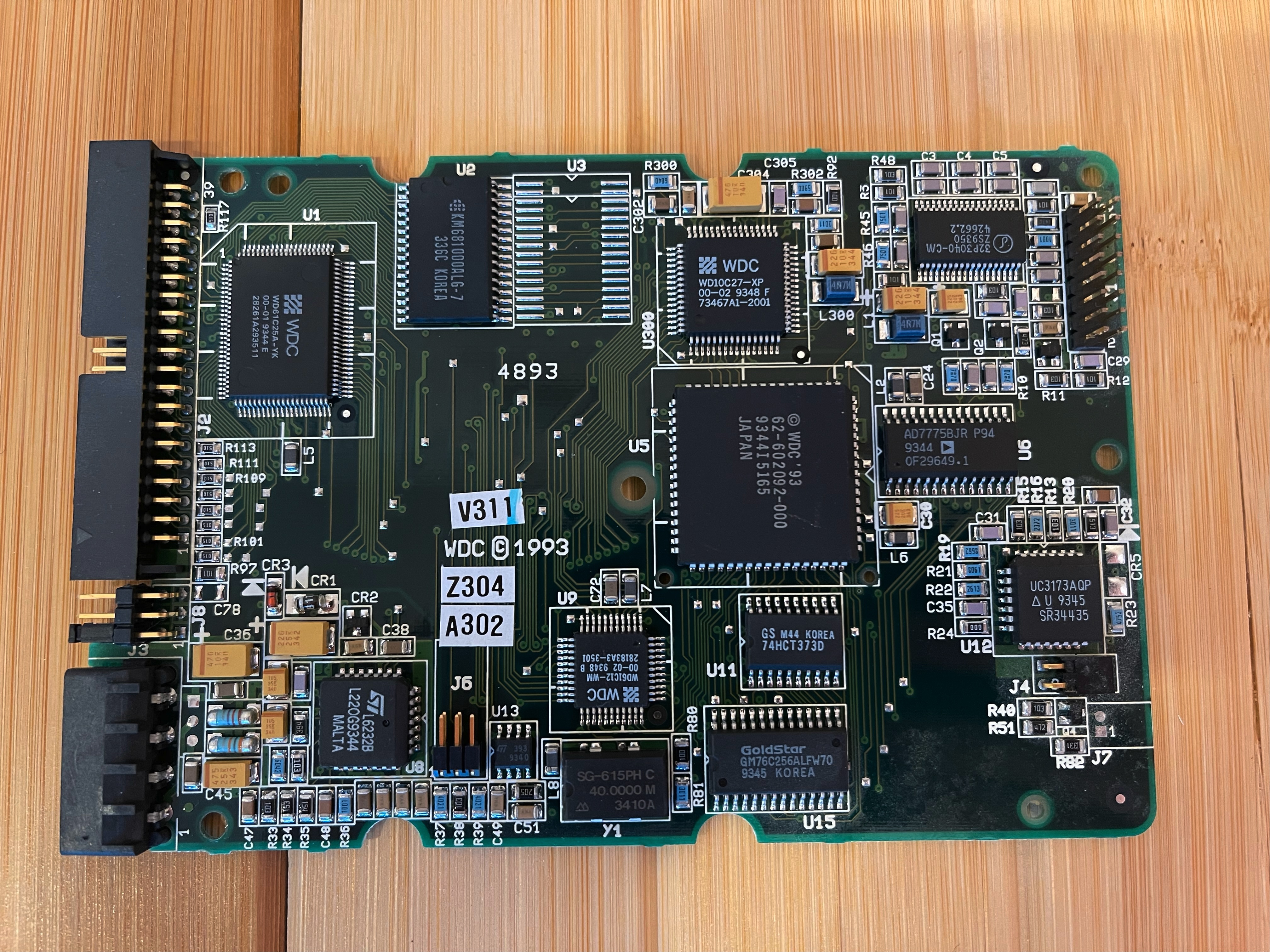

I am tired of the false choice in India’s electronics debate. One camp insists that domestic manufacturing is a triumph so complete that asking what is imported amounts to sabotage. The other sneers that assembly is merely “screwdriver work” and therefore worthless. Both positions save their advocates from examining a complicated industrial transition. Assembly matters. Components matter more over time. India must do both.
The government’s Electronics Component Manufacturing Scheme explicitly targets display and camera subassemblies, printed circuit boards, passive components, lithium-ion cells for digital applications and capital equipment. The official ECMS portal sets out those categories, while the scheme guidelines describe eligibility and incentive mechanics. This is an important admission embedded in policy: high export numbers for finished devices are not the endpoint.
Assembly was a necessary beginning
Electronics supply chains do not materialise because a commentator demands “real manufacturing.” Final assembly brings factories, logistics, quality systems, workforce training and global customer relationships. It creates volume around which suppliers can justify investment. India’s rise as a major mobile-phone production base is therefore a substantial achievement of policy, infrastructure and corporate execution.
The PLI approach helped make India part of global production planning. That deserves government credit. Critics who compare today’s component depth with East Asia’s mature ecosystems ignore decades of cumulative supplier learning there. India entered at a different time, with highly optimised networks already operating elsewhere. Attracting final assembly was the practical door.
But a door is useful because it leads somewhere. If India imports most high-value parts, production can grow while domestic value addition remains limited. Trade exposure shifts from finished phones to displays, chips, camera modules and machinery. Jobs are created, but design capability and supplier bargaining power develop more slowly. The policy conversation must therefore graduate from units assembled to value retained.
Components require ecosystems, not isolated factories
A component plant depends on materials, tooling, clean power, water, testing, logistics and predictable customs. It also needs customers at sufficient scale. A factory producing a specialised part cannot survive on patriotic demand. It must meet global yield, cost and reliability standards and ideally export beyond India.
This is why clusters matter. Suppliers need proximity to assemblers and to one another. Engineers move between firms, repair vendors emerge and production problems are solved through dense networks. State governments often compete by offering land and subsidies, but an industrial park without reliable infrastructure or skilled technicians is real estate, not an ecosystem.
India should measure cluster performance through supplier density, local sourcing, export share, patent or process development, workforce progression and energy reliability. Ribbon cuttings are poor indicators. A factory announcement can shrink, stall or remain dependent on imported subassemblies. Public incentives require public outcome reporting.
Chinese brands remain central for a reason
Chinese smartphone companies still command enormous influence in India because they understand price bands, distribution, rapid product cycles and specification marketing. They built service networks and local teams while offering features Indian buyers could see: large batteries, fast charging, multiple cameras and bright displays. Nationalist rhetoric does not erase consumer value.
Many of these brands also manufacture locally through partners and support employment. The meaningful policy objective is not to wish them away. It is to increase the share of value created in India, enforce security and tax rules consistently, and allow competition. A Chinese brand sourcing more Indian components may contribute more to industrial depth than a nominally Indian label importing a nearly complete device.
India’s own brands need patient capital, software competence and product discipline. Nostalgia for an earlier logo will not overcome weak updates or unreliable service. Domestic champions emerge by satisfying consumers and building technology, not by requesting permanent protection from better products.
Incentives must reward additionality
Industrial incentives can alter location decisions, but they also invite clever accounting. The government must ensure that subsidised investment is genuinely additional, production thresholds are verified and related-party transactions do not inflate claimed value. Independent audits and published aggregate outcomes are essential.
The ECMS mix of turnover-linked, capital-expenditure and hybrid support recognises that component categories have different economics. That is sensible. Yet complexity increases administrative discretion. Application decisions should include clear reasons, timelines and conflict safeguards. Delayed approvals can be as damaging as rejection because global supply-chain windows are narrow.
Policy stability matters more than headline generosity. Sudden tariff changes may protect one stage while raising costs for another. A component unavailable domestically should not become expensive merely to signal resolve. Tariffs should follow credible capacity and quality, with sunset reviews. Protection without competitive pressure produces expensive mediocrity.
Skills cannot be added after construction
Electronics factories need operators, maintenance technicians, process engineers, quality specialists and managers who understand high-volume production. India has abundant labour but uneven relevant training. Companies often build their own academies because certificates do not guarantee shop-floor competence.
Government support should tie training institutions to actual cluster needs. Curricula must include equipment maintenance, statistical process control, clean-room discipline, automation and workplace safety. Apprenticeships should be paid and portable. Women form a large part of electronics assembly workforces; transport, safe accommodation and progression into technical roles are industrial policy, not corporate charity.
The deeper goal is learning. Can an Indian team improve yield, redesign a process, qualify a local material or build production equipment? Those capabilities create durable value. A plant that follows imported instructions may provide useful employment, but the country remains vulnerable if every technical decision resides abroad.
Design and manufacturing must meet
India’s software strength is often mentioned as though code naturally spills into hardware. It does not. Product design requires electronics engineering, industrial design, certification, supply-chain knowledge and patient prototyping. Start-ups struggle with small production runs because component purchasing and tooling favour scale.
Shared testing facilities, prototype lines and procurement support could help firms cross the gap between laboratory and manufacture. Universities should collaborate with factories on materials, power electronics and production tools. Government procurement can provide early demand where products meet standards, but it should not become a shelter for inferior hardware.
Semiconductors attract the largest headlines, yet less glamorous components deserve attention. Connectors, passives, enclosures, printed boards and optical modules may lack political drama, but supply chains are built from such layers. A country does not become an electronics power only by owning a fab; it becomes one by making thousands of reliable things repeatedly.
Measure value, not vibes
I want the government to publish an annual electronics value-chain account. It should report production, exports, imported inputs, domestic value addition, employment, wage progression, component capacity and incentive disbursement. Categories must be consistent enough to track change. Without this, supporters and critics can select whichever number flatters their prior view.
Success would mean assembly continuing to expand while local supplier capability rises. It would mean factories exporting components, not merely consuming them. It would mean Indian engineers managing processes and creating equipment. It would also mean consumers retaining access to competitive products. Industrial policy that produces expensive phones and protected incumbents is not success.
Make in India electronics has delivered more than its detractors admit and less than celebratory slogans imply. The assembly base is a platform, not a fraud. ECMS is a credible attempt to build the missing floors above it. The hard work now involves customs consistency, infrastructure, skills, audits and global competitiveness—subjects less photogenic than a phone rolling off a line.
I will give the government credit for recognising the next constraint. I will also keep asking where the components come from, who controls the process and how much value stays here. That is not pessimism. It is how a promising first act becomes an industry rather than a permanent assembly arrangement.