Whenever Neeraj Chopra competes, India briefly remembers that athletics exists. Television graphics learn the shape of a javelin, brands discover field events and people who could not name three Diamond League venues begin discussing release angles. I enjoy the collective excitement. What I dislike is the convenient lesson we draw from it. We treat one extraordinary athlete as proof that Indian sport outside cricket is flourishing, when his excellence should instead expose how rare a complete support system remains.
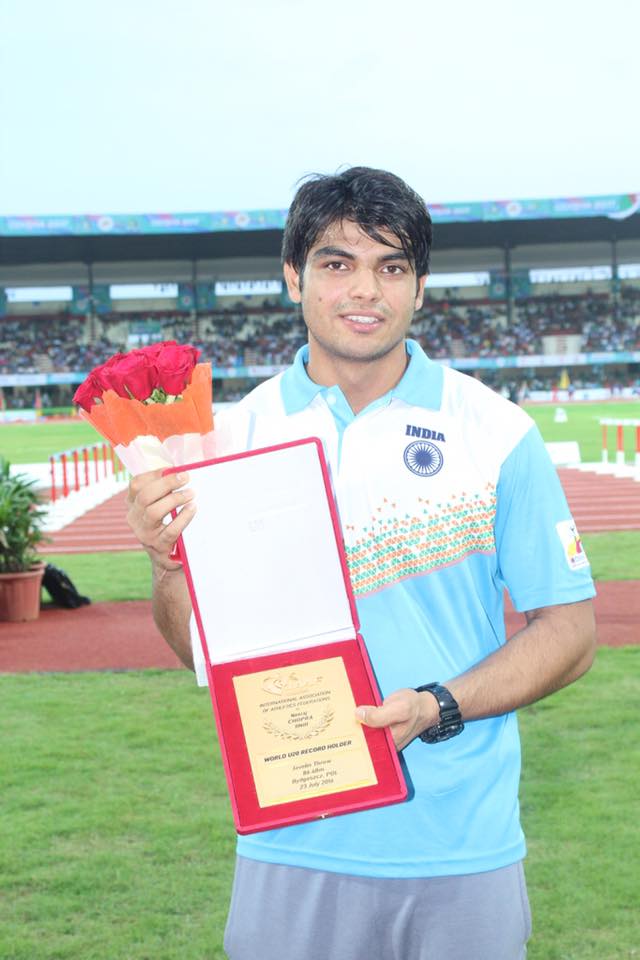
Chopra’s place in Indian sport is beyond dispute. The Olympic record of his Tokyo triumph is preserved in an IOC account of his gold-medal javelin entering the Olympic Museum, while the broader Olympic story includes the formidable rivalry with Arshad Nadeem and Chopra’s silver at Paris. Those achievements are not marketing inventions. Yet I resist turning them into a comforting national fable about talent inevitably finding its way. Talent is common. A pathway containing equipment, nutrition, physiotherapy, competition and expert coaching is not.
A champion attracts attention; a system distributes it
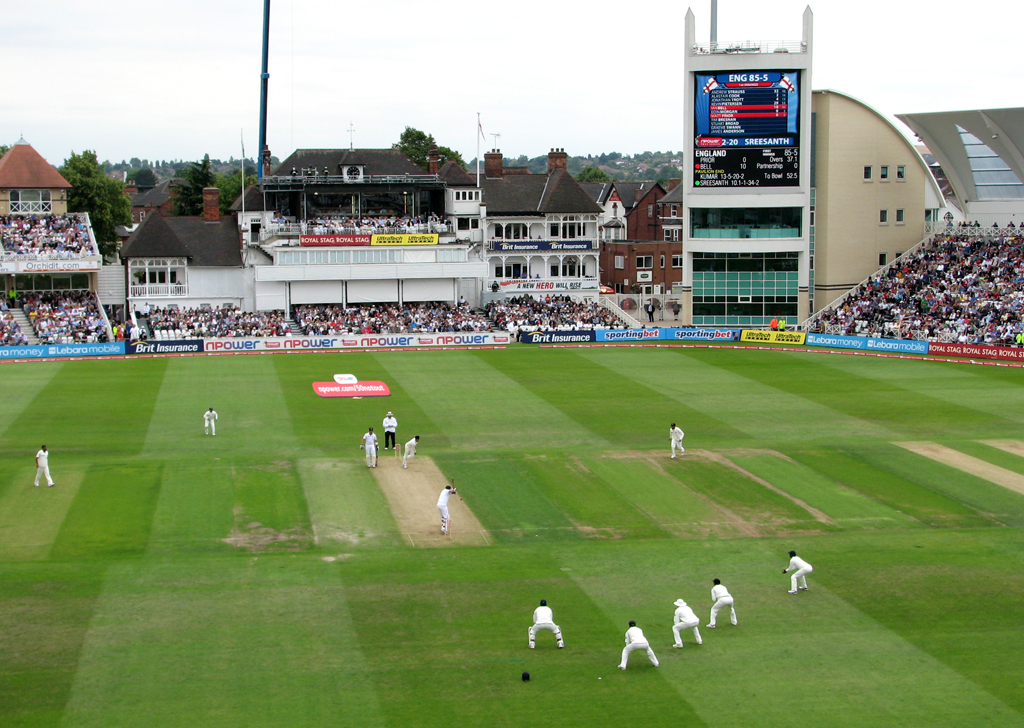
Cricket’s great advantage is not merely money. It is legibility. A young player can see district teams, state age groups, domestic tournaments, franchises and the national side. Families understand the ladder even when climbing it is brutally difficult. In athletics, the route is less visible and often depends on local coaches, departmental employment, federation decisions and access to facilities that vary wildly. Chopra emerged through talent and institutional support, including the armed forces, but “find another Neeraj” is not a policy. It is a wish addressed to a population of more than a billion.
I want India to stop funding sport as a sequence of medal emergencies. The year before an Olympics, everyone asks whether athletes have foreign exposure and world-class support. The useful question is what happened four, six or eight years earlier. Throwers need technical development over thousands of repetitions. Runners require injury prevention and periodised competition. Jumpers need safe surfaces and coaching continuity. A federation cannot order these inputs when a qualification window opens. High performance is agricultural: most of the work happens before spectators see anything worth harvesting.
The uncomfortable counterargument is that public money must follow realistic medal prospects. Resources are finite, and spreading them thinly can produce excellent press releases but mediocre programmes. I accept prioritisation. What I reject is opacity and celebrity bias. Funding decisions should use published criteria, independent technical assessment and athlete-specific plans. A prospect who lacks followers should not lose to an established name simply because administrators fear criticism. Nor should every overseas camp be presumed useful. Send athletes where coaching and competition match their needs, then assess the result.
Coverage changes careers
Media attention is not a decorative extra. It affects sponsorship, public pressure and whether young athletes can imagine a future in the sport. Cricket receives daily narrative: form, selection, injuries, technique and domestic prospects. Other sports often receive only outcome. We meet an athlete at a medal ceremony, learn a compressed biography of hardship and forget her before the next event. That style makes every success look miraculous and every failure personal. It hides the seasons of incremental improvement that actually define elite sport.
I would like broadcasters and publications to cover athletics when medals are not immediately available. Explain qualification systems. Show national championships. Interview coaches about technical changes without converting every conversation into patriotic theatre. Track Indian athletes through a season so audiences understand that a fifth-place finish against a strong field may be progress. The Olympic movement itself presents competition as a continuum rather than a single podium; India’s coverage too often behaves like a school noticeboard that posts only toppers.
Chopra has made javelin unusually visible, but visibility can distort development if every tall athletic child is pushed toward the event of the current hero. India needs depth across throws, jumps, sprints, distance races and combined events. Different bodies and regions offer different possibilities. A serious programme scouts broadly, then directs athletes according to evidence. Replicating the champion’s event is not the same as replicating the conditions that helped produce him.
The athlete’s body is not public property
Another lesson from elite athletics is the importance of managing injury without moral drama. Indian fans often interpret withdrawal as weakness and participation as patriotism. That is a dangerous way to treat a professional body. A javelin throw places enormous stress on joints and soft tissue. Training loads must be adjusted; seasons must have peaks; pain must be investigated before it becomes damage. An athlete who skips a meet to protect a championship campaign is not betraying the flag. He is doing his job.
Federations and sponsors should communicate this better. The public does not need private medical detail, but it can be told that recovery is part of performance. Contracts should not pressure athletes into promotional appearances during essential training blocks. Travel schedules should account for sleep and adaptation. Sports science should serve the athlete rather than decorate a camp brochure. These points sound obvious until a medal contender spends more time moving between ceremonies than preparing for competition.
Mental strain deserves equal seriousness. Once a non-cricket athlete becomes famous in India, he is asked to carry an entire sport, answer for national expectations and remain permanently gracious. One poor competition becomes a referendum on hunger. Chopra’s composure has made this burden look manageable, but that should not normalise it. Teams need sports psychologists who are trusted, confidential and present before crisis. A champion is still a person whose livelihood depends on a few seconds of public performance.
Build twenty credible stories, not one myth
My measure of progress is not whether India produces “the next Neeraj.” It is whether twenty athletes can enter international seasons with competent support and credible ambitions. Depth reduces the cruel all-or-nothing pressure placed on a single star. It also makes domestic competition stronger. When qualification for the national team is difficult, standards rise before athletes travel abroad. That ecosystem is what cricket possesses and most other sports lack.
Corporate sponsors can help, but they must move earlier. Signing an Olympic medallist is advertising; supporting a training group for five years is development. Both are legitimate, but companies should not confuse them. Public-private programmes need safeguards so athletes are not trapped between agencies claiming credit. One accountable performance plan is better than five logos and five reporting systems. Coaches, too, need careers with continuing education and fair evaluation. Importing expertise may be useful, but India will not build durable capacity if knowledge leaves with every foreign contract.
I celebrate Chopra because excellence deserves joy. I also refuse to let that joy become an alibi. His medals do not prove that every talented Indian athlete will be found or supported. They prove what becomes possible when ability meets sustained preparation, competitive exposure and professional care. The respectful tribute is not another giant poster. It is a system in which the next world-class athlete is less lonely, the next promising teenager is less dependent on luck and the rest of us learn to watch athletics before the anthem begins.