India’s electric-car market had a remarkable September, with retail data showing passenger-EV sales rising sharply and reaching a larger share of the market. India Today’s report on the figures captures the momentum. I am encouraged. I am also wary of the showroom inference that rising sales have settled the infrastructure argument.
For a buyer with a dedicated parking space, reliable home electricity and a predictable commute, an EV can already be the easiest car to live with. Plug in overnight, leave with useful range and visit public chargers rarely. For a tenant in an apartment whose association resists cabling, or a driver making unplanned highway trips, the same model can feel like a different product. India is not undergoing one EV transition. It is undergoing several, divided by housing and geography.
Home charging is the invisible advantage
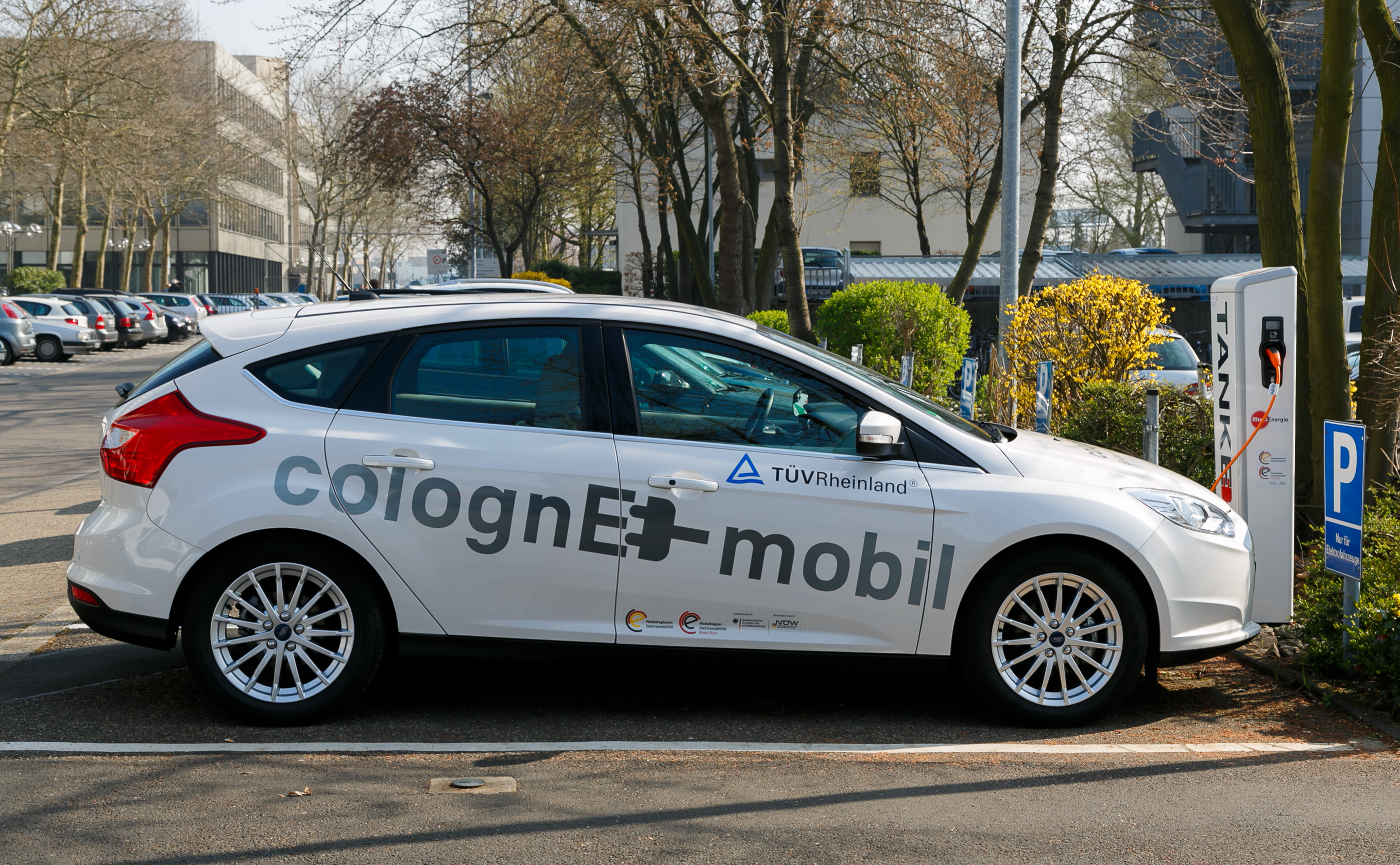
Most satisfied EV owners I meet have solved charging privately. Their positive experience is real, but it can mislead policy. A wall box in a gated parking bay turns electricity into convenience. The owner does not search apps, wait behind another vehicle or discover that a charger is blocked. This private solution makes the public network appear more adequate than it is.
Apartment charging remains a bureaucratic negotiation. Residents’ associations worry about wiring capacity, fire safety, billing and parking rights. Some concerns are legitimate; others are resistance disguised as procedure. States need model rules specifying approval timelines, technical standards, metering and cost allocation. Builders should pre-wire new parking areas rather than retrofitting at ten times the inconvenience.
The national PM E-DRIVE framework includes charging infrastructure alongside vehicle adoption and manufacturing, as the official Gazette notification records. The intention is correct. Execution must focus on reliability and placement, not merely sanctioned charger counts.
A pin on an app is not infrastructure
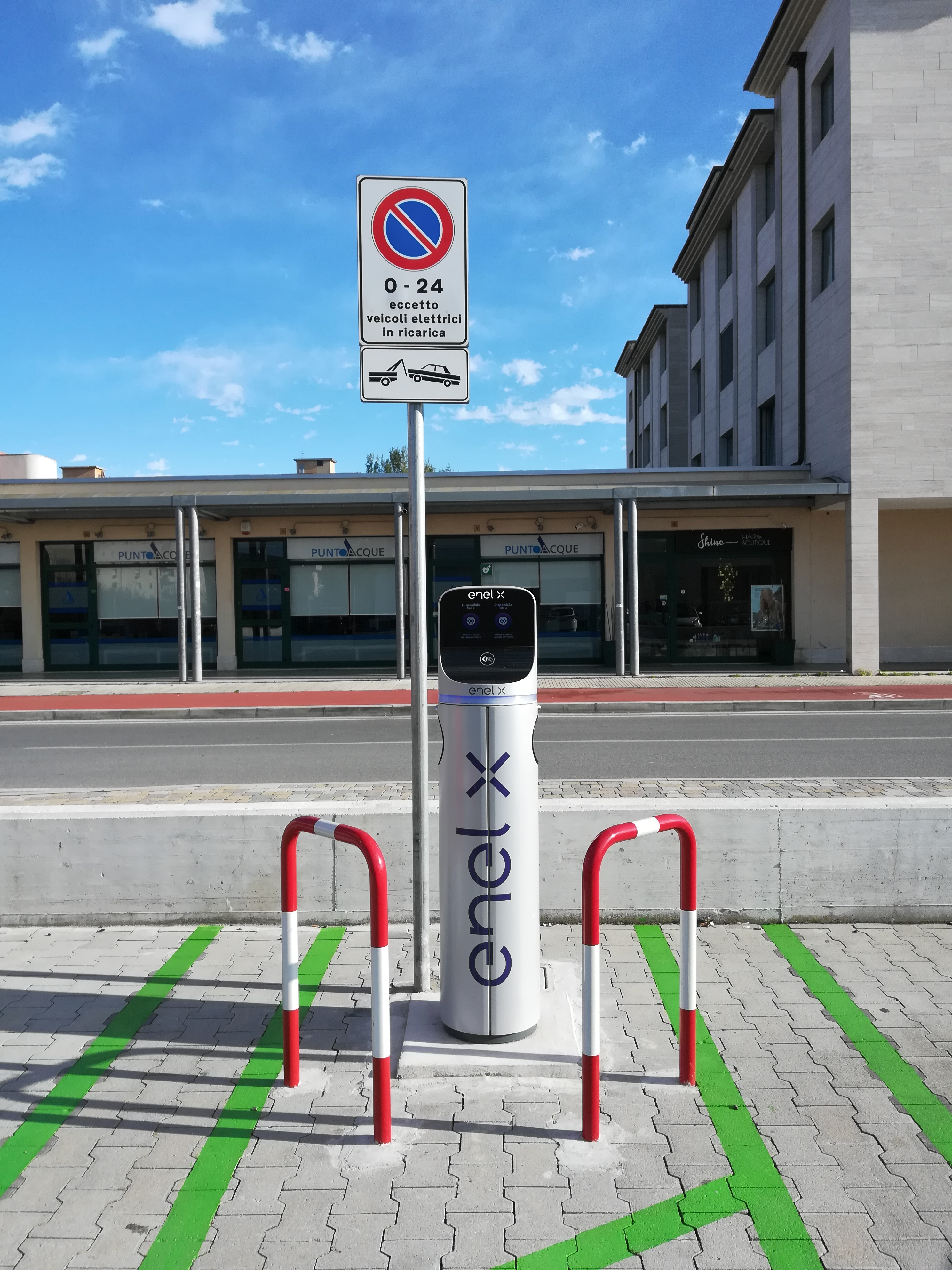
Public charging statistics often count installed units. Drivers experience working connectors. A station may exist on a map yet be offline, occupied by a combustion car, hidden behind a closed gate or incompatible with the payment app. Infrastructure should be measured by successful sessions, uptime and energy delivered.
Operators need enforceable uptime standards, visible maintenance contacts and roaming arrangements. A driver should not need six apps, prepaid wallets and repeated identity checks to buy electricity. Petrol stations do not ask customers to create an account with every oil company. Charging networks should support interoperable payment and display live status through open data.
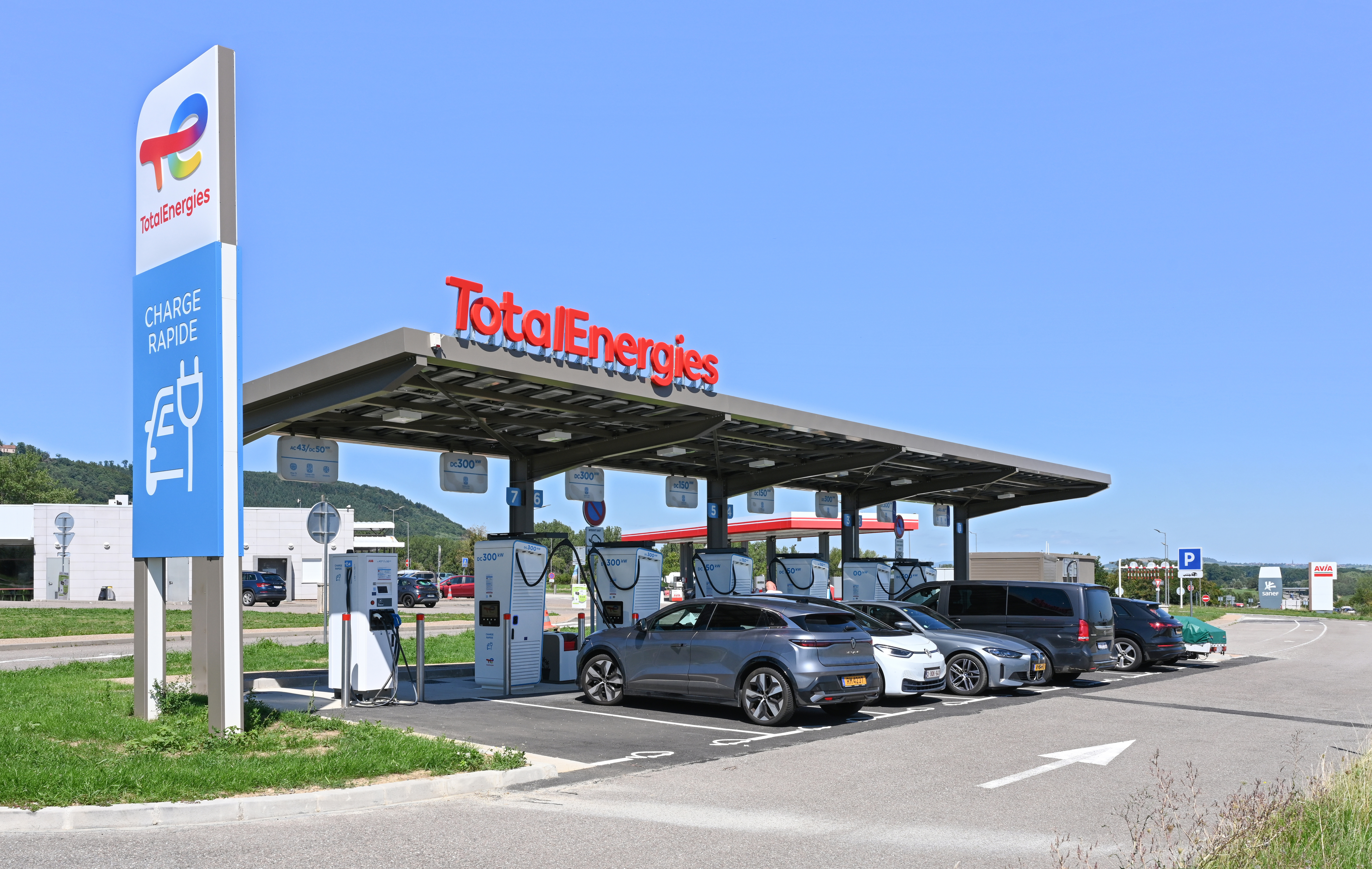
Highway placement requires thought beyond equal distances. Chargers belong where drivers can use toilets, food and lighting safely. Sites need multiple bays because one failed unit or slow-charging vehicle should not halt a corridor. Grid connections and transformer capacity must anticipate demand rather than follow it after queues become news.
Sales growth changes the bottleneck
Rapid adoption is good news, but it means infrastructure planned for yesterday’s fleet will feel worse even as charger numbers rise. September’s broad EV surge, also documented by The Financial Express, should trigger capacity planning. A network adequate at five percent penetration may fail at ten.
Vehicle diversity complicates the task. Two-wheelers, three-wheelers, fleets, buses and private cars have different charging patterns. Policy should avoid allowing premium passenger cars to dominate every discussion. Depot charging for buses and fleets can deliver large emissions benefits, while battery swapping may suit selected commercial two-wheelers. There is no universal plug-shaped answer.
Distribution companies are central actors, not background utilities. They must forecast local loads, price connections reasonably and process approvals quickly. Smart charging can shift demand away from peaks, but only if tariffs and equipment communicate. The power system needs data from vehicles and operators without compromising user privacy.
The transition must work for renters
The social divide worries me most. Early EV benefits—lower running costs, home convenience and policy incentives—flow most easily to households that own parking. Renters and residents of dense neighbourhoods face the greatest barriers. If public charging remains expensive or unreliable, electrification may reinforce existing advantages.
Curbside and community charging deserve pilots tailored to Indian streets. Municipal parking lots, metro stations and office districts can host slower chargers where vehicles already remain for hours. Not every charger must be a costly fast unit. A layered network of overnight, destination and corridor charging is more efficient than treating speed as the only measure of progress.
The counterargument is that private companies will build wherever demand appears. They will, but commercial demand concentrates in affluent corridors. Public planning is necessary where utilisation begins low but connectivity has social value. Government need not operate every charger; it can auction sites, standardise service levels and support underserved routes transparently.
Dealers also owe buyers more honest conversations. A salesperson should ask about parking, daily distance, local service and common long trips before recommending an EV. Quoting laboratory range without discussing weather, speed and load is irresponsible. An EV is excellent when its use case fits. It is not a moral upgrade that overrides logistics.
I want manufacturers to improve route planning and charger integration inside vehicles. Drivers should see reliable live status, estimated arrival battery, charging speed and fallback locations. Smartphone apps are useful, but essential journey information belongs on the dashboard. Networks should share data through common standards rather than guarding it as a competitive moat.
Battery warranties and degradation reporting need clarity too. Buyers should understand usable capacity, health thresholds and claim procedures. A mature market cannot rely on vague assurances that batteries “last long.” Transparent diagnostic reports will also support a healthier used-EV market, which is crucial for mass adoption.
Record sales are not a reason to relax. They are evidence that the window for building ahead of demand is closing. India has proven that consumers will buy electric cars when products and economics align. The next test is whether a renter can charge without begging a housing society and whether a family can cross states without maintaining a spreadsheet of backup plugs. The transition becomes real when charging is boring. We are not there yet, and a rising sales graph should make us move faster, not declare victory.