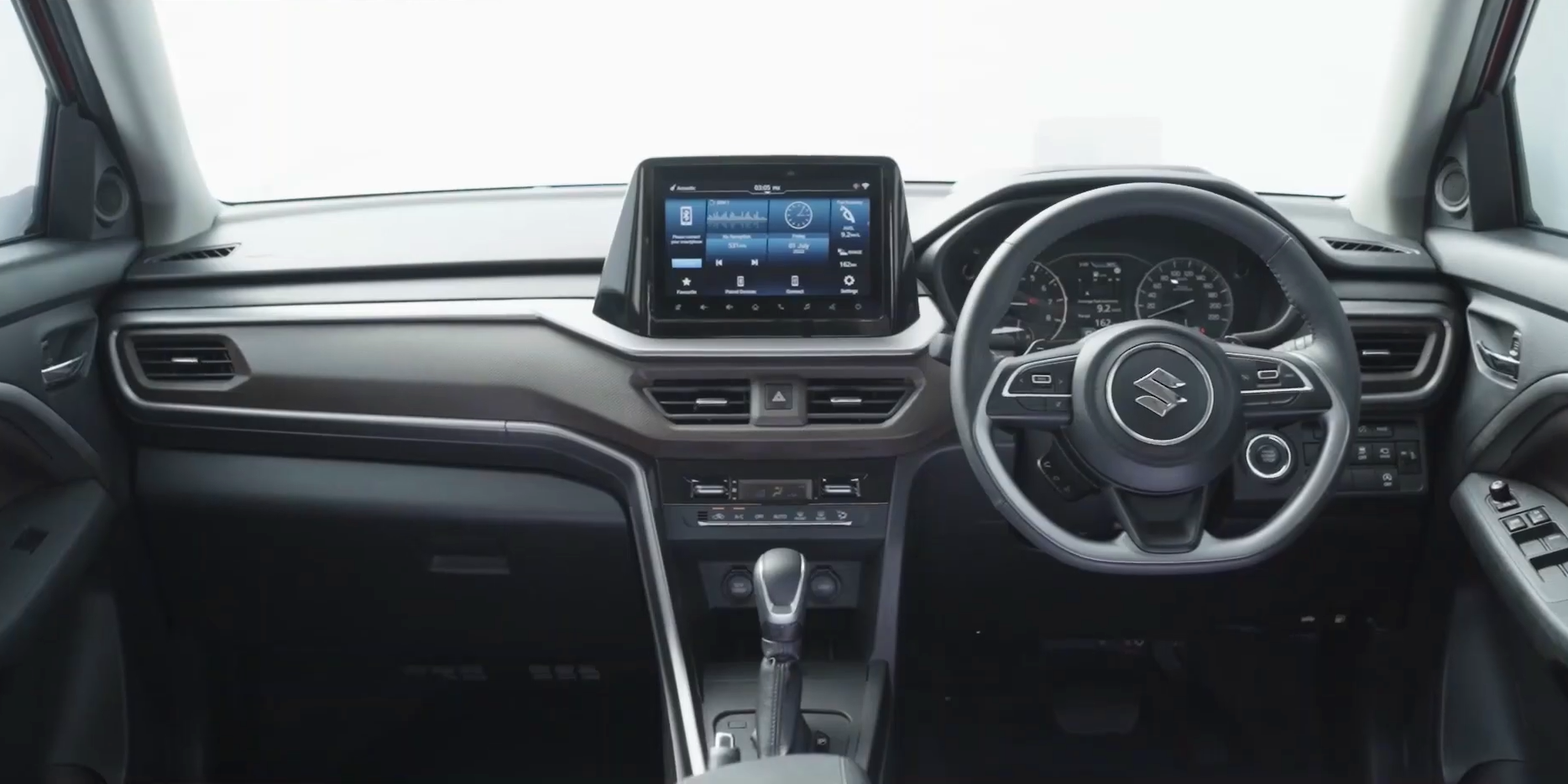
I have driven enough top-end variants to know the choreography. The salesperson dims the showroom lights, the panoramic roof slides back, a giant screen performs its opening animation and ambient lighting turns the cabin purple. Nobody discusses what the replacement screen may cost in year seven. Nobody asks whether the larger wheels will make the broken road home less comfortable. The most expensive variant is presented as the complete car. Often, it is merely the most decorated one.
My advice is unfashionable: buy the lowest variant that includes six airbags, electronic stability control, proper head restraints, the powertrain you want and the convenience features you will use weekly. Spend the difference on insurance, good tyres, maintenance and fuel. Safety regulation and testing information available through the Ministry of Road Transport and Highways should shape the shortlist before showroom jewellery does.
Features are not value when they add anxiety
A feature creates value if it improves safety, comfort or daily function enough to justify cost and complexity. Automatic climate control often does. A reversing camera does. Wireless phone integration can. A motorised seat in a car shared by two drivers may. But electrically deployed handles, oversized sunroofs and touch-sensitive controls frequently solve problems nobody had while adding components that age in heat, dust and monsoon moisture.
Manufacturers bundle desirable safety equipment with indulgences because variants are profit ladders. Want a better set of airbags or a rear wiper? You may be pushed toward leatherette, chrome and a screen large enough to host election coverage. The buyer believes he has upgraded safety; the invoice reveals he has also financed theatre.
Detailed road tests from outlets such as Autocar India’s review archive are useful precisely when they discuss ride, visibility, ergonomics and real fuel use. Yet even reviews can become feature tours because that is what changes between variants. Buyers should separate the quality of the underlying car from the quantity of accessories attached to it.
Large wheels are a tax on common sense
The Indian market’s obsession with wheel size is one of my favourite bad ideas. Larger alloys photograph well and make side profiles look expensive. They can also bring lower-profile tyres, firmer ride, higher replacement cost and greater vulnerability to pothole damage. On actual Indian roads, a smaller wheel with more tyre sidewall is often the premium choice disguised as economy.
I have driven top trims that crash over edges their cheaper siblings absorb calmly. The steering may feel superficially sharper, but the family notices the thud. Replacement tyres can be less available outside major cities. One damaged alloy can erase whatever joy its machined finish supplied.
The same principle applies to unnecessary body kits. They reduce practical clearance, collect damage and age visually. A clean base car often looks better after five years than a “sport” trim whose red accents have faded into regret. Design should survive ownership, not only the configurator.
Do not economise on the wrong things
This is not an argument for blindly buying the cheapest car. Some base variants are cynical: missing rear head restraints, adjustable mirrors, defoggers or useful safety systems. Steel quality, crash structure and braking performance do not become acceptable because the sticker is low. I would walk away from a poorly equipped base rather than rationalise it.
Automatic transmissions also complicate the rule. A buyer facing dense traffic may gain more daily value from a competent automatic than from a higher manual trim. Likewise, someone travelling at night should prioritise good headlamps; a family carrying children needs accessible ISOFIX mounts and sensible rear belts. Value is use-specific, not asceticism.
What I oppose is the reflex that the top trim preserves resale. Used buyers value condition, service history, brand reliability and powertrain. They rarely reimburse the first owner fully for mood lighting. Depreciation applies to gadgets too, often brutally when newer cars make yesterday’s giant screen look slow.
Reliability begins with subtraction
Modern cars are generally dependable, but every motor, sensor and software layer introduces a failure path. A powered tailgate is pleasant until it refuses to recognise an obstacle or costs a painful sum after warranty. An integrated screen controlling basic climate functions can turn a minor electronics problem into a daily usability problem. Physical controls are not nostalgia; they are fault containment.
The counterargument is that technology becomes cheaper and more reliable through adoption. Correct. I enjoy a well-calibrated 360-degree camera and appreciate advanced driver-assistance systems when designed for local conditions. My objection is not to technology but to unexamined technology. Features should earn their place through execution and repairability.
Ask the salesperson to demonstrate every function without coaching. Adjust temperature while looking ahead. Fold the rear seats. Change a tyre if the spare is unconventional. Pair a phone. Check whether the camera remains useful at night. Sit in the rear after setting the front for yourself. A ten-minute feature recital is less valuable than an hour testing mundane tasks.
Then request written prices for common parts: windscreen, headlamp, alloy, tyre, mirror, infotainment unit and bumper sensors. Insurance may absorb some damage, but claims affect premiums and time. A car that is affordable to buy can be expensive to keep cosmetically whole.
I would like manufacturers to offer safety packs independently of luxury packs. Let customers add airbags, stability systems, tyre-pressure monitoring and stronger lighting without buying a roof hole. Regulatory progress is pushing baseline equipment upward, which is good, but variant strategies still exploit the moral pressure to protect one’s family.
There is pleasure in a nicely equipped cabin. If the money is comfortable and the features delight you, buy them. I am not prescribing joylessness. I am asking buyers to recognise that desire is not the same as value. A salesperson’s job is to convert aspiration into monthly instalments. Your job is to imagine the car on an August morning six years later.
The honest car is the one whose engineering survives the disappearance of showroom effects. A good engine, predictable gearbox, comfortable suspension, effective air-conditioning, strong brakes and accessible service will matter every day. The animated welcome sequence will become wallpaper within a week. Choose the variant built around the first list. Your future self, sitting beside a pothole with an intact tyre and money still in the bank, will understand.