The Hyundai Creta Electric may be the most important kind of EV: one that does not ask an Indian family to adopt a new personality. It looks familiar, sits in a familiar segment and comes from a company with a substantial service network. Hyundai lists 42kWh and 51.4kWh battery options, with claimed ranges up to 420km and 510km respectively, on its official Creta Electric page. That sounds like range anxiety has been defeated. It has not. The car is ready for many Indian households; the journey around it remains uneven. An owner with a dedicated parking space, reliable home electricity and urban commuting can have a superb experience. A tenant relying on public charging, or a family regularly crossing secondary highways, is buying a different product in practice. Showrooms sell the battery. They rarely map the buyer’s charging life with equal care.
Home charging is the real luxury feature
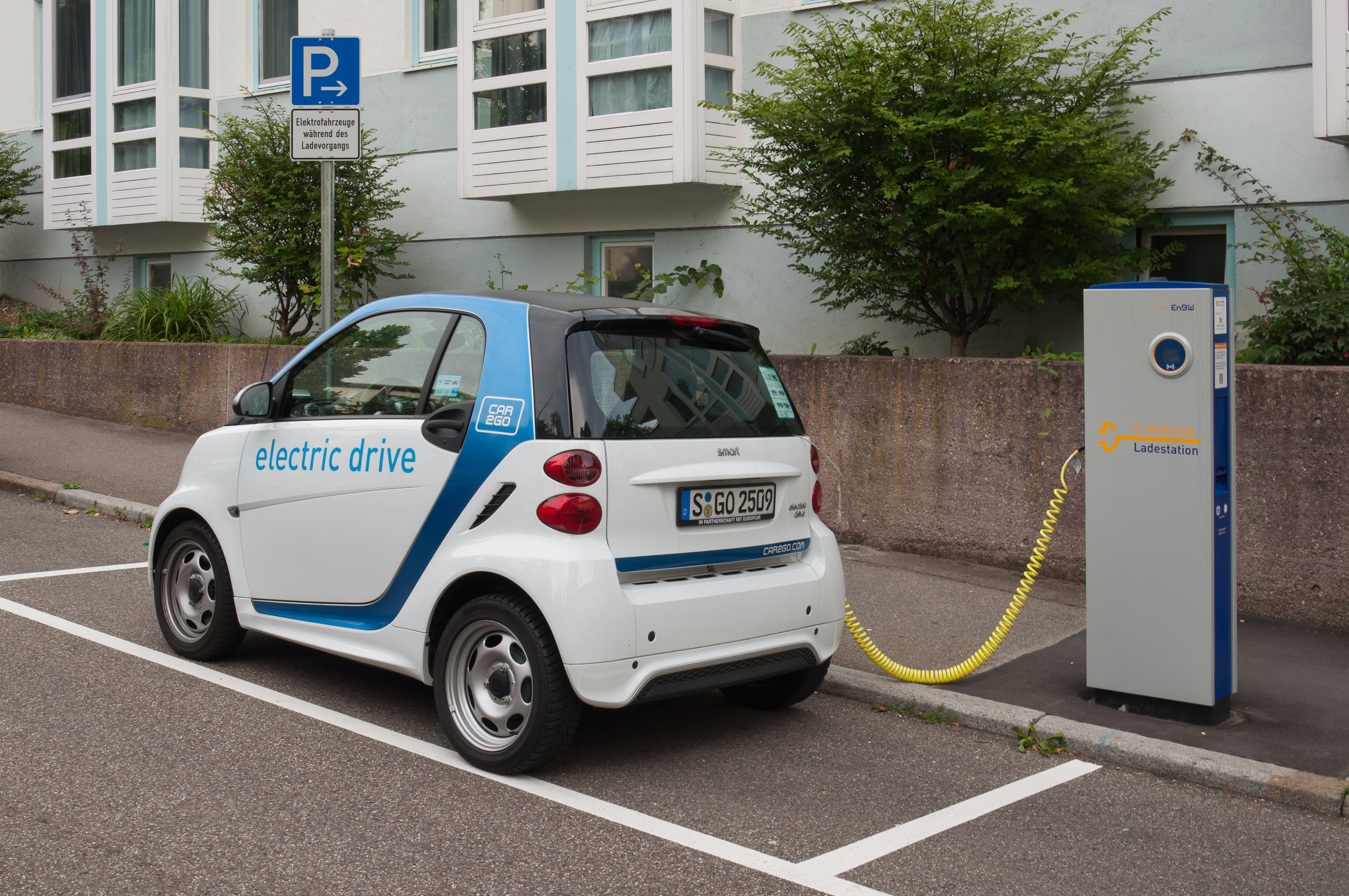
EV discussions obsess over certified range because range is countable. Access is more decisive. If I can plug in every night, a daily commute becomes effortless: leave home with sufficient energy, avoid fuel stations and use public chargers mainly on trips. If I live in an apartment where the association resists wiring, parking spaces rotate or the sanctioned electrical load is inadequate, the same car becomes a weekly logistics project. The difference has nothing to do with battery chemistry.
Dealers should conduct a charging-readiness assessment before taking a booking. Where will the car park? Who owns the space? What cable route is required? Does the building permit installation? What is the meter arrangement? How long will approvals take? A complimentary wall box is not free convenience if civil work, load enhancement and association consent remain unresolved. Manufacturers need teams that coordinate these tasks rather than leaving sales executives to say an electrician will call.
Certified range is not trip-planning range
Laboratory or certification figures provide comparison, but owners need a conservative number for speed, weather, elevation, passengers and air-conditioning. Hyundai’s Creta Electric range listing at Autocar India distinguishes claimed figures from tested or expected real use, which is the right habit. An EV can be efficient in urban traffic and consume energy faster on a high-speed expressway. Drivers accustomed to petrol range estimates must learn that speed has a substantial cost.
I would plan highway legs around chargers with generous reserve, not arrive at two percent because an app displayed a green icon. A nominal 400-kilometre vehicle is not necessarily a relaxed 400-kilometre road-trip vehicle. Charging stops should account for a station being occupied, broken or inaccessible behind a closed facility. That redundancy is improving on major corridors, but India’s road network is much larger than its flagship routes.
The public-charging number conceals quality
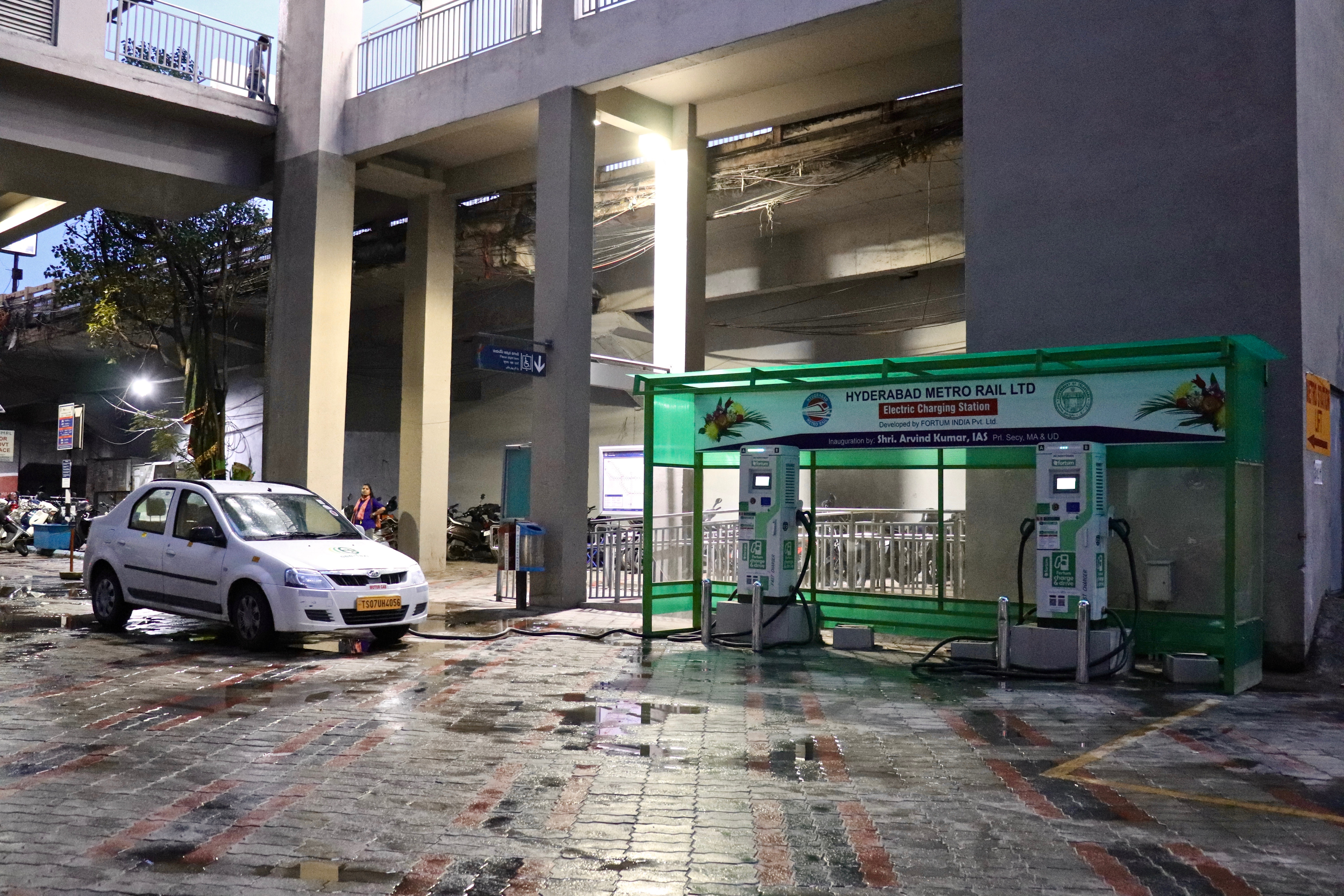
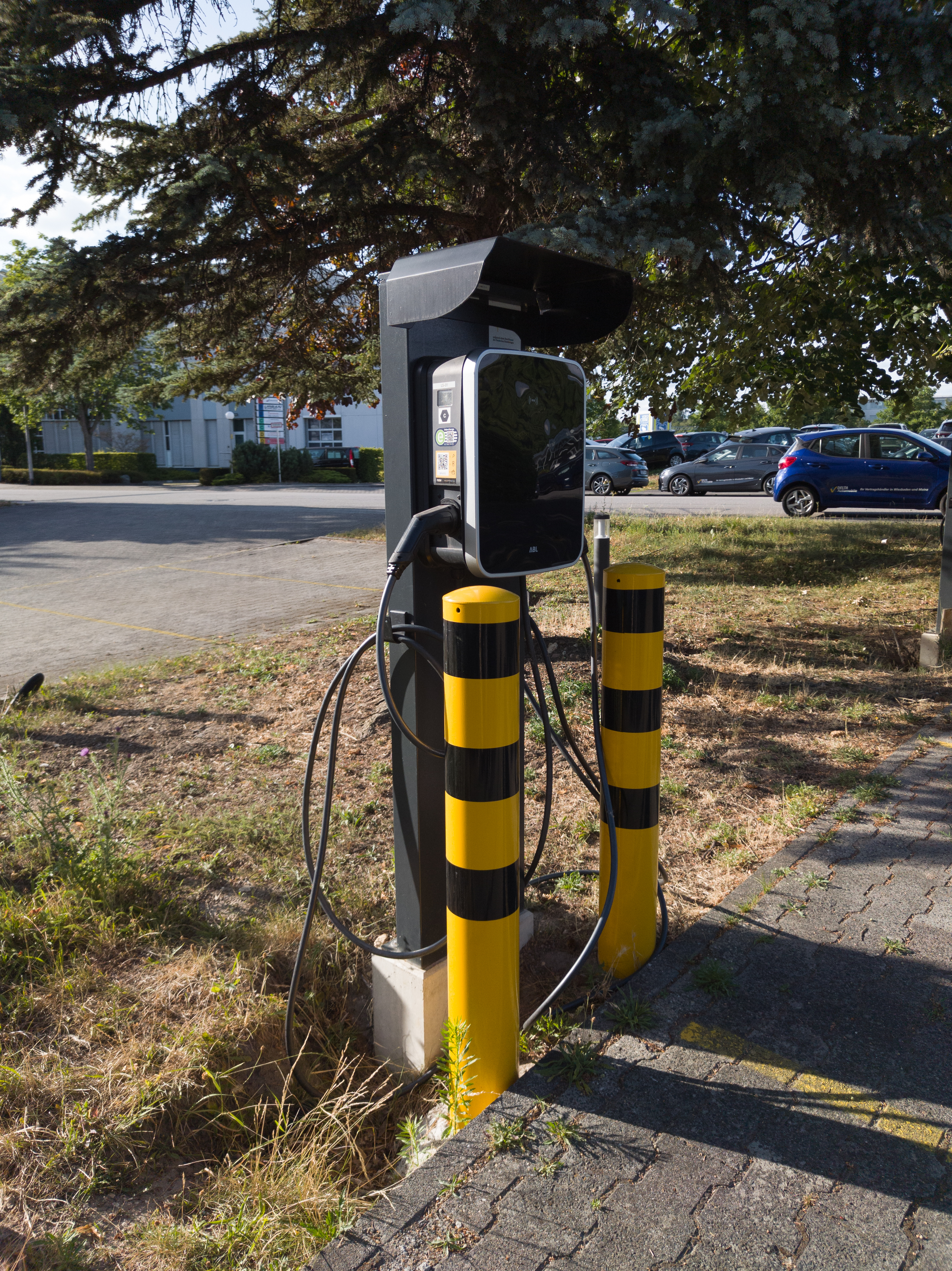
Announcements count charging points. Owners encounter chargers. One may be slow, another offline, a third blocked by a parked combustion car and a fourth tied to an app that refuses payment. A map pin is not infrastructure. Reliability requires uptime standards, remote monitoring, visible tariffs, lighting, toilets, food access and a helpline capable of restarting equipment. Stations must also communicate live status accurately across platforms.
India needs interoperability. Nobody should maintain a folder of charging apps, prepaid balances and forgotten passwords merely to travel between cities. Payments should work through ordinary methods, and roaming agreements should allow one account to access multiple networks. Petrol pumps do not ask drivers to join a proprietary social club before dispensing fuel. EV charging must become similarly boring.
The Creta’s normality is its strength
Early EVs often required buyers to tolerate eccentric styling, limited space or uncertain support in exchange for electric driving. The Creta Electric packages the transition inside a known family-SUV template. That reduces risk for mainstream buyers. The cabin, seating position, dealer familiarity and brand recognition matter more than enthusiasts admit. A household spending this much wants relatives to understand the purchase and a service centre to answer the phone.
The vehicle also demonstrates why EV adoption will accelerate through segments Indians already buy, not through lectures about climate virtue. Smooth performance, quiet running, low urban energy cost and home-charging convenience are persuasive. Environmental benefit matters, but consumers adopt technologies that improve daily life. Policy should make the cleaner choice practical rather than demand moral heroism.
Choose the battery around use, not ego
Buyers naturally want the larger battery because more range feels safer. It also costs and weighs more. Someone driving forty kilometres a day with home charging may never recover the additional expense through utility. The smaller pack can be the rational choice if occasional trips have dependable charging. Conversely, a family using the vehicle as its only car across long routes may value every kilometre of buffer. There is no universally correct pack.
Sales staff should model annual use honestly. Compare purchase price, expected home electricity, public fast-charging tariffs, insurance and financing. Avoid promising spectacular savings based on cheap residential power if the buyer will rely heavily on public DC charging. Battery warranties are reassuring, but degradation terms and claim procedures should be explained in plain language. “Eight years” is not the whole warranty; thresholds and exclusions matter.
Apartment India is the policy problem
Much EV policy has focused on purchase incentives and public chargers. Dense housing requires equal attention. Building codes should mandate EV-ready electrical pathways and a reasonable share of energised spaces in new construction. Existing societies need model rules preventing arbitrary denial while allocating installation and electricity costs fairly. Fire-safety standards must be evidence-based and consistently enforced, not invented by resident WhatsApp groups.
Tenants deserve solutions too. A charger attached to one flat’s meter may be impractical when parking changes. Shared chargers with authenticated billing can work, but somebody must maintain them. Distribution companies, municipalities and charging operators should develop standard packages. Without apartment charging, EV ownership risks becoming easiest for villa owners while the densest urban residents remain dependent on unreliable public networks.
The grid question is local before it is national
People ask whether India has enough electricity for EVs. The immediate constraint is often a transformer, feeder or building connection rather than total national generation. Managed overnight charging can use capacity efficiently; clusters of simultaneous fast charging require upgrades. Utilities need visibility into installations and tariffs that encourage sensible timing without making billing incomprehensible. Renewable energy can improve lifecycle emissions, but an EV already shifts pollution away from crowded streets and uses energy efficiently. The transition need not wait for a perfectly green grid.
The counterargument says charging is improving rapidly and critics freeze the network at yesterday’s condition. I agree that progress is fast. Apps show corridors that barely existed a few years ago. My point is not that infrastructure makes ownership impossible. It is that average counts and launch claims conceal a highly personal reliability map. Buyers should evaluate the routes they actually use, and policymakers should measure successful charging sessions rather than installed plugs.
What I would demand before signing
I would secure written confirmation of the home-installation scope, inspect insurance coverage for the battery, obtain current service and roadside-assistance details, and test the charging networks on my regular intercity route. I would choose the battery based on worst routine use, not an annual fantasy expedition. I would also retain enough reserve never to depend on a single station late at night. None of this is anti-EV pessimism. It is how one makes EV ownership boring—and boring is the milestone.
The Creta Electric brings India closer to mainstream electric motoring because the vehicle itself no longer feels experimental. Hyundai deserves credit for combining familiar packaging with useful range choices and a broad ownership network. Now the ecosystem must catch up: apartment rules, dependable chargers, interoperable payment, truthful status data and accountable maintenance. A showroom can demonstrate instant torque in ten seconds. It should spend another twenty minutes discussing the buyer’s parking space. The EV transition will not be won by the longest claimed range. It will be won when an ordinary family can travel without learning which charging-company helpline answers after midnight.