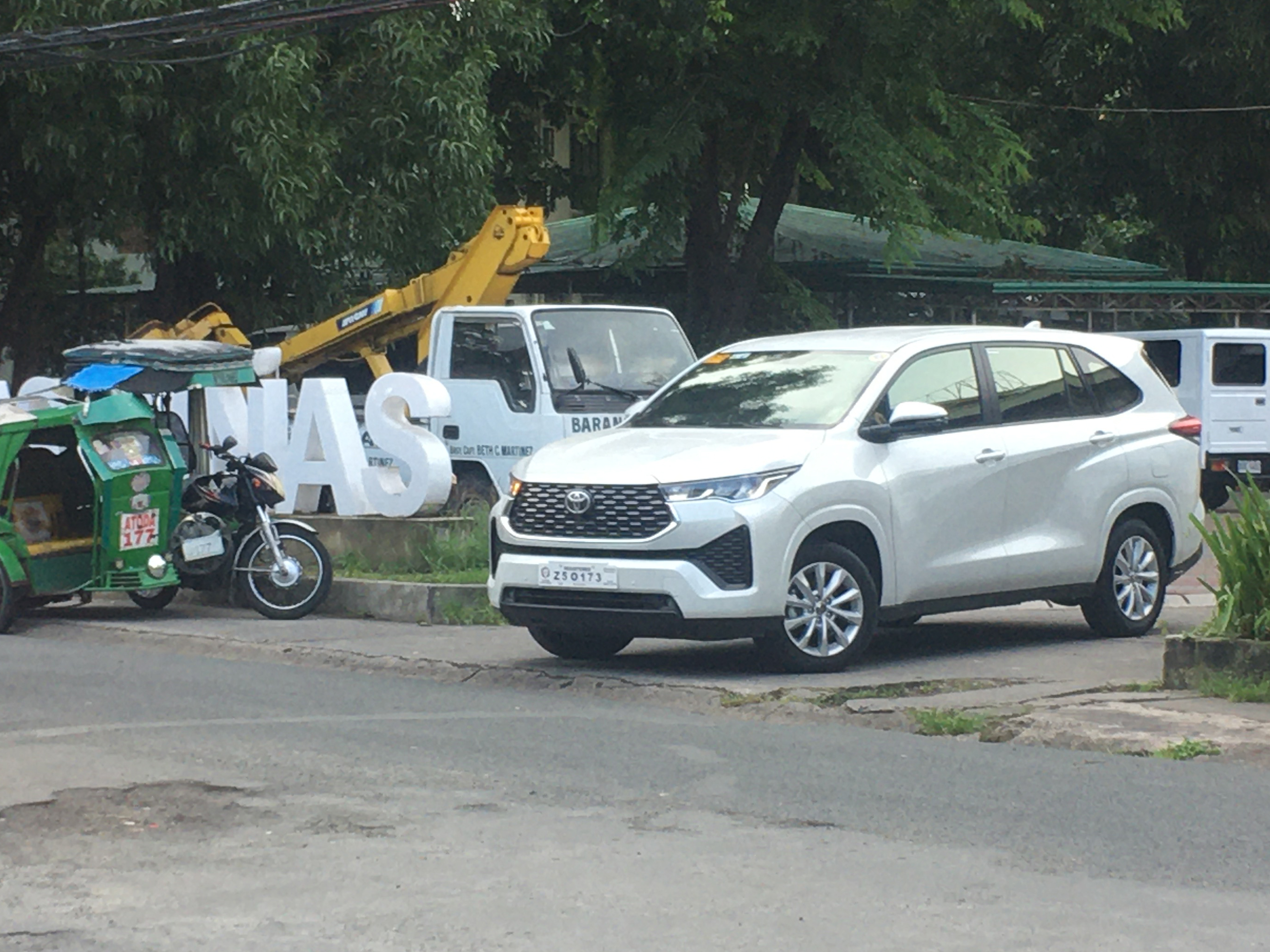
The Toyota Innova Hycross does not need rescuing by a facelift. It needs Toyota to stop making sensible buyers behave like contestants in a dealership game show. The underlying vehicle is already persuasive: spacious, comfortable, efficient in hybrid form and likely to attract the sort of long-term confidence that makes Indian families stretch their budgets. Yet the buying experience is distorted by waiting periods, uneven availability and a variant ladder designed to make the desirable combination of features appear only after the price has become faintly absurd.
The current product and its broad pricing are listed on CarWale’s launch database, while the approaching update appears in ZigWheels’ current automotive coverage. I am less interested in guessing the exact grille pattern than in asking what owners actually need. A new bumper will not make a poor variant better value. A larger display will not shorten a service queue. The Hycross’s strength is utility, and Toyota should stop decorating that strength with unnecessary purchasing friction.
The car’s basic proposition is excellent
The Hycross moved the Innova away from its old ladder-frame, diesel-first identity toward a front-wheel-drive monocoque with petrol and strong-hybrid options. Purists complained, as purists reliably do whenever a familiar badge changes engineering philosophy. For most private owners, the result is the more appropriate machine. It rides comfortably, offers genuine cabin space and feels less agricultural in everyday use. The hybrid is particularly well matched to city traffic, where silence and efficiency matter more than the ability to tow an imaginary mountain.
I still understand the appeal of the Crysta for commercial users, high-mileage highway operators and people who value rugged simplicity. The Hycross is not a universal replacement. But family buyers using the car for school runs, urban commuting and long holidays gain more from comfort and efficiency than rear-wheel-drive folklore. One can admire the old Innova without pretending every engineering trait was sacred.
The problem is price progression. Once a buyer chooses the hybrid—and many should—the useful comfort and safety features tend to pull the purchase toward expensive trims. Captain’s chairs, camera systems, driver assistance, premium audio, powered adjustments and cosmetic upgrades are bundled in ways that prevent rational selection. The customer seeking one meaningful feature is asked to buy a pile of decorative ones. This is common industry practice, but Toyota’s strong demand gives it unusually little incentive to be reasonable.
Feature bundling is a tax on clear priorities
I have driven enough top trims to know how quickly novelty becomes background. A powered ottoman can impress in the showroom and remain unused when the second row is occupied by children, luggage and snack debris. A panoramic roof looks wonderful in a brochure and adds heat, weight and another expensive component above your head. Large wheels sharpen the stance while often making ride quality worse and replacement tyres dearer. None of these features is inherently foolish. Treating them as compulsory companions to essential safety equipment is.
My ideal Hycross would have the hybrid powertrain, six airbags, electronic stability control, a useful reversing camera, comfortable fabric or durable leatherette, sensible wheel sizes, wireless phone connectivity and a full-size spare where packaging allows. I do not need mood lighting to transport a family. I need strong air-conditioning, easy ingress, robust seat mechanisms and tyres available outside a metropolitan premium outlet. Manufacturers call the overloaded version aspirational. I call it margin optimisation.
Safety technology complicates the argument. Advanced driver-assistance systems can reduce fatigue and prevent collisions, but Indian roads present messy edge cases. Calibration, driver education and clear limitations matter. Buyers should not be forced to purchase visual luxury merely to access effective safety equipment. Toyota should spread core safety across the range and reserve genuine luxuries for those who want them. A responsible variant ladder distinguishes protection from pampering.
A facelift is no reason to suspend common sense
Prospective buyers often ask whether they should wait for an update. The answer depends on timing, price and need, not internet excitement. If you require a vehicle now and have a confirmed allocation of the right variant, a revised grille six months later will not invalidate your family’s travel. If the update brings meaningful safety, powertrain or cabin changes and you can wait comfortably, then wait. Do not spend months renting cars because a spy photograph revealed a different lamp.
Facelifts are designed partly to reset attention and pricing. Manufacturers add screens, colours and trim while preserving expensive engineering. That can be worthwhile when it fixes ergonomic problems or improves equipment distribution. It can also become an opportunity to raise prices while dealers call the old car obsolete. Buyers should compare transaction prices, not model-year ego. A discounted outgoing car may be the smarter purchase if its specification matches your use.
Resale anxiety is often exaggerated. The Innova badge carries strong demand because of durability and utility, not because every buyer can identify a bumper revision from fifty metres. Condition, service history, variant and ownership matter. An owner who overpays for the newest top trim can lose more money than one who buys an outgoing mid-variant at a sensible discount. Depreciation works on rupees, not bragging rights.
Toyota must earn its reliability premium
Toyota’s reputation allows it to charge more and offer less equipment than ambitious rivals. That premium can be rational when reliability, service and resale reduce long-term costs. But reputation is not a hereditary title. Complex hybrids, electronics and driver-assistance systems require trained technicians and available parts. Customers buying a costly MPV should receive transparent maintenance information and prompt support, not lectures about demand.
Waiting periods are especially irritating when they distort choice. A buyer may accept an unwanted colour or trim simply because it is available, while the dealer gains leverage over accessories and insurance. Manufacturers should publish realistic allocation information and discourage informal prioritisation. Scarcity can increase desirability in luxury goods; in a family vehicle it mostly wastes time. Toyota’s production planning should match the confidence of its order book.
Competitors deserve a look. A Kia Carnival offers a different kind of premium space; three-row SUVs offer image and capability; less expensive MPVs may meet practical needs without the hybrid’s initial cost. The Hycross is not automatically the correct answer because taxi fleets made the Innova famous. Calculate annual usage and fuel savings. Sit in every row with the family. Load actual luggage. Check the spare tyre and service access. A rational purchase survives contact with daily life.
I expect the facelift to look fresher and gather more technology. Fine. My verdict will depend on whether Toyota improves the versions people should buy, not the version photographed under studio lights. Give us a well-equipped hybrid below the vanity-trim threshold, standardise meaningful safety and supply cars without dealership theatre. The Hycross is already good enough to deserve honesty. Its buyers should not have to climb a ladder of chrome, glass roofs and powered gimmicks to reach the equipment that matters.
The Innova succeeded in India because it solved problems repeatedly and without fuss. That is still the brand’s deepest asset. Toyota should remember it when configuring the updated car. Families do not need an MPV pretending to be a lounge, a gadget catalogue and an SUV simultaneously. They need comfortable seats, low running stress and a machine that starts every morning for a decade. Build the range around that truth, and the facelift will age well. Ignore it, and the new face will merely disguise the same old variant nonsense.