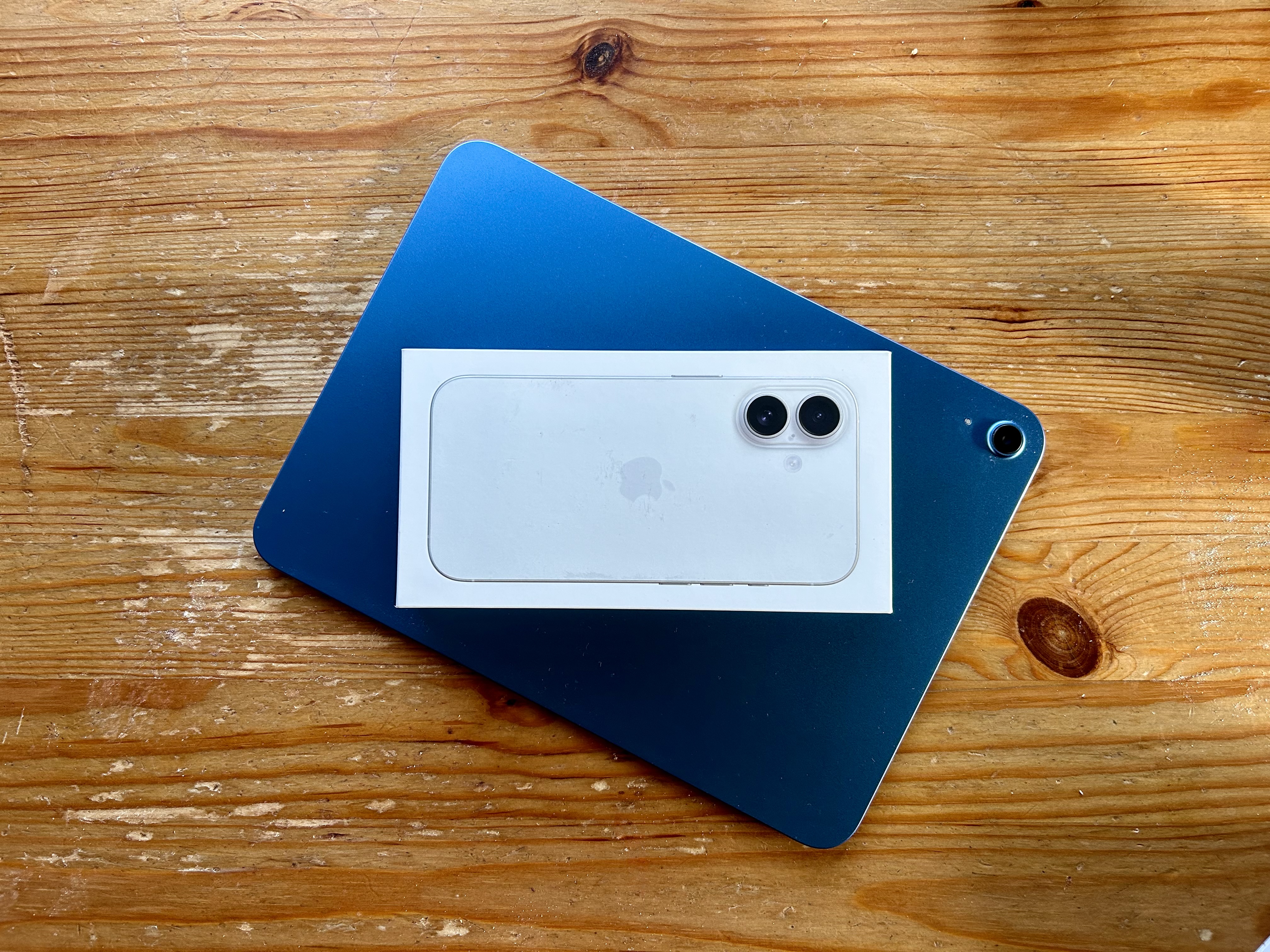
The Pixel 9a is the sort of phone reviewers enjoy recommending. It is compact by current standards, takes reliably good photographs, offers clean software and comes with the reassurance of long security support. Google’s Indian product page lists a ₹49,999 price, seven years of updates and an expanded service pitch. On a launch-day checklist, that is persuasive. But nobody in India owns a phone on launch day for two years. We own it through a monsoon, a battery slump, a cracked screen, an office trip where the charger is forgotten and an exchange quotation that makes us question the nature of depreciation.
My view is simple: the Pixel 9a is a good device whose value depends less on its clever camera than on whether Google has finally built the boring ownership infrastructure to support it. At nearly ₹50,000, “almost flagship” is not an excuse. Buyers can choose aggressively priced Chinese phones with faster charging and broader retail familiarity, or discounted older flagships from Samsung and Apple with stronger resale ecosystems. The Pixel must win beyond taste. It must be easy to repair, predictable to update and pleasant after the novelty of computational photography becomes ordinary.
The fundamentals are better than the theatre
The official specification page lists a 6.3-inch 120Hz display, Tensor G4, 8GB of memory and a 5,100mAh typical battery. Those numbers are adequate, which is a compliment. Phone makers have spent years inflating specifications beyond the point at which most owners notice. A smooth display, dependable camera, sufficient memory and all-day battery matter. Whether a processor wins a synthetic benchmark by twelve percent does not matter when the banking app stalls because of a bad network.
The Pixel camera remains its clearest advantage. Google’s processing usually produces usable photographs without asking the owner to become a colour scientist. Faces are handled sensibly, dynamic range is strong and the camera encourages quick trust. But rivals have narrowed the gap. At this price, buyers should examine low-light motion, portrait edges, video consistency and the behaviour of every lens rather than treating the Pixel reputation as hereditary royalty. A superb main camera does not excuse a merely adequate supporting setup forever.
Charging speed is an ownership feature
Reviewers often dismiss slower charging as a minor compromise because the battery lasts a day. That judgment assumes a tidy life. Indian phone use includes long commutes, power cuts, overnight trains, shared sockets and the ten-minute charge before leaving for a wedding. Faster charging changes behaviour: it reduces battery anxiety and makes a missed overnight plug less consequential. Chinese brands understand this because they design for owners, not for an abstract benchmark of sufficiency.
Google also omits a charger from the box. Environmental reasoning has merit when households already own compatible, capable adapters. In practice, charging standards and wattages confuse buyers, old adapters may be slow, and the additional purchase makes the headline price incomplete. If a company sells premium convenience, it should explain compatible charging clearly at checkout and offer a sensibly priced bundle. The planet is not saved when customers order a separately packaged charger from another warehouse.
Seven years means nothing without good years
I strongly support long update commitments. They improve security, resale prospects and the realistic lifespan of hardware. Yet duration is only one dimension. Updates must arrive without breaking calls, heating the device, degrading battery life or leaving Indian carrier features in limbo. Google controls Android and the Pixel stack, so it deserves a higher standard than manufacturers juggling layers of vendor dependence. A seven-year promise should include transparent support dates and accessible repair parts, not merely software packages delivered to a phone whose screen replacement is uneconomic.
Tensor’s long-term thermal behaviour matters here. A phone can feel smooth in an air-conditioned review studio and become less charming during navigation, video calls or camera use in May. I care less about peak performance than sustained performance and modem efficiency. Dropped signal and idle drain are ownership taxes paid every day. Prospective buyers should read long-term reports from users on their own carrier and in their climate. “Works with 5G” is not the same as consistently strong radio performance.
Service is improving, but geography still decides
Google now advertises walk-in centres, pickup options and repair-time claims. That is welcome because Pixel service in India historically inspired more forum archaeology than confidence. Still, a handful of prominent centres does not equal the dense support networks buyers associate with Samsung, Xiaomi, Vivo or Oppo. A customer in Delhi can have a very different Pixel experience from one in a tier-two city. Pickup service is useful only when logistics, diagnosis, quotations and data handling are predictable.
Before purchasing, I would ask four unglamorous questions: Where is the nearest authorised centre? What does a screen or battery replacement cost? Will the repair preserve water resistance? How long can I function without the phone? Google’s Repair Mode is a sensible privacy feature, but process matters as much as software. Owners should not have to surrender passwords, argue over cosmetic marks or discover after dispatch that a part is unavailable.
The AI pitch will age fastest
Gemini integration and image tools occupy generous marketing space. Some features are genuinely useful: transcription, call assistance, photo cleanup and contextual search can save time. But AI features change, migrate to other phones, acquire subscription conditions or depend on cloud access. Buying hardware primarily for a current software trick is like buying a flat because the sample apartment has attractive cushions. Evaluate the walls, plumbing and commute first.
There is also a privacy and reliability question. Generated edits can be fun, but photographs are memories before they are content. Call and message assistance must handle Indian accents, mixed languages and noisy environments accurately. A feature that works beautifully in a demonstration may become annoying when it mishears a courier. Google should publish clear on-device versus cloud distinctions and let owners disable layers without turning settings into a scavenger hunt.
Value changes after the discounts
At the listed ₹49,999, I find the Pixel 9a difficult to recommend universally. During sales, bank offers and exchange promotions may change the equation substantially. That is another Indian ownership reality: MSRP is theatre, transaction price is plot. Buyers should compare the final cost of the 9a with an older Pixel flagship, Samsung’s FE line, an iPhone on sale and performance-focused Android alternatives. Include charger, case, insurance and likely resale value.
Google’s exchange partnership may simplify disposal, but quoted value depends on inspection and condition. Pixels have traditionally lacked the effortless resale recognition of iPhones and popular Galaxy models. Long software support could improve that if service confidence grows. The company must treat resale as an ecosystem outcome: reliable updates, available parts and sustained retail presence make used buyers less nervous.
Who should actually buy it
I would recommend the Pixel 9a to someone who prioritises still photography, clean software, manageable size and long security support; lives within comfortable reach of service; and buys at a meaningful discount. I would hesitate for a heavy gamer, a person dependent on extremely fast charging, or an owner in a location where authorised repair requires shipping the device away. None of these cautions makes the phone bad. They make the recommendation adult.
The Pixel line’s appeal is tastefully understated, and I understand why people tire of aggressive skins, redundant apps and billboard specifications. Yet simplicity at the surface can depend on complicated support underneath. Google is making visible progress by expanding service and promising long updates. It now has to sustain both long enough for Indian buyers to trust the relationship.
A phone becomes good in retrospect. It is good when the battery remains reasonable, the display survives ordinary life, updates do not introduce drama, calls connect and a repair does not become a family project. The Pixel 9a begins that test with strong fundamentals. I like it. I simply refuse to confuse liking a camera with auditing two years of ownership.