
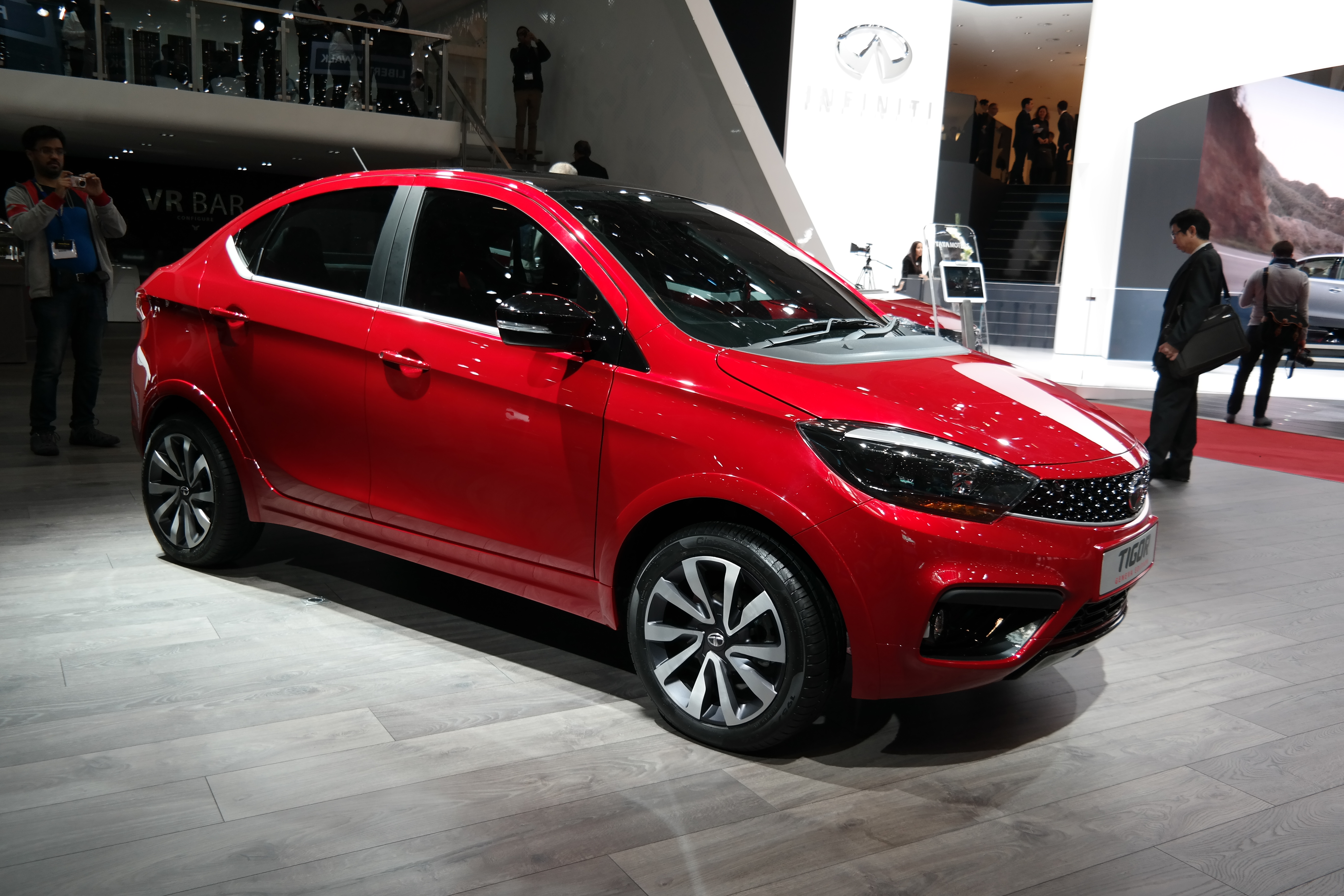
I have a soft spot for compact sedans because they are among the last Indian cars designed around ordinary constraints rather than lifestyle theatre. They fit crowded streets, carry a family and luggage, and do not require their owners to cosplay an expedition on the way to the office. The Tata Aeris, described in Tata’s own launch material as a new sedan aimed at private buyers, has an opportunity to make that formula feel relevant again.
The danger is familiar. Tata can launch a well-engineered product, spread essential features across a bewildering variant ladder, attach glossy names to cosmetic packs and leave buyers creating spreadsheets to discover which version has the gearbox, safety equipment and rear convenience they actually need. A car should not require investigative journalism before a test drive.
I do not mind the Aeris being based on the Tigor. Proven architecture can be an advantage if the update addresses weaknesses rather than merely changing lamps and badges. The official Tata Aeris launch page naturally emphasises design and technology. I am interested in the things owners will notice after the launch banners disappear: seat comfort, low-speed calibration, visibility, service quality and rattles.
The sedan still makes practical sense
India’s obsession with SUVs has stretched the term until a raised hatchback with plastic cladding qualifies. Buyers enjoy the seating position and road presence, but many pay more for a shape that offers no meaningful off-road ability and sometimes less boot usability. A compact sedan can be lighter, more efficient and easier to place. Its separate boot also keeps luggage out of the cabin and often swallows more than appearances suggest.
The Aeris needs to lean into those virtues. Tata should tune the suspension for broken city roads without making the rear bounce when lightly loaded. Steering should be predictable rather than artificially heavy. The turning circle matters more than a sport display. Thin pillars and a useful reversing camera matter more than animated welcome lighting. These are not sexy launch features; they are the difference between enjoying and enduring a car.
The petrol engine and automated manual transmission, if continued in familiar form, deserve particular scrutiny. AMTs can offer affordable two-pedal convenience, but poor calibration creates head-nod shifts and hesitation at junctions. Indian buyers accept too much because the brochure says “automatic”. Tata should improve creep behaviour, hill starts and low-speed smoothness. A gearbox used daily in traffic cannot be excused as a budget compromise forever.
Stop hiding safety in the expensive trim
Six airbags and electronic stability control should be standard across the range, not bait for the top variant. India’s safety regulations have improved, and Tata has built much of its brand around crash protection. The company should therefore lead rather than wait for every mandate. A lower-income buyer is not less likely to crash.
Useful equipment should be grouped logically. The middle trim ought to provide safety, a height-adjustable driver’s seat, rear defogger, adjustable head restraints, Android Auto and Apple CarPlay, rear AC vents and a reversing camera. The top trim can add a larger screen, premium audio, sunroof if marketing insists, connected features and cosmetic indulgence. Buyers should not have to purchase a glass roof to obtain basic visibility or comfort.
I would also like Tata to simplify powertrain availability. If the automatic is restricted to oddly equipped variants, customers are pushed into compromises. Offer manual and automatic choices on the sensible middle trim. If CNG or electric versions are available, explain boot-space loss, spare-wheel arrangement and real charging or refuelling implications clearly.
Variant complexity hurts resale too. Used-car buyers struggle to identify equipment, dealers confuse model years and parts catalogues become messier. Manufacturers enjoy presenting a low starting price and many upgrade steps, but the customer carries the complexity for a decade. Three or four well-judged variants are enough.
Quality control remains Tata’s examination
Tata’s modern cars often impress on design, ride and safety while ownership reports vary too widely. One customer receives a solid vehicle and helpful workshop; another collects a car with software glitches, trim issues or repeated warning lights. The brand’s engineering ambition has outpaced the consistency of its retail and service experience.
The Aeris should undergo aggressive pre-delivery checks, particularly for panel fit, infotainment stability, battery health, camera operation and water sealing. Dealers should not use customers as final inspectors. Service centres need diagnostic training before deliveries begin, not after online complaints accumulate. A facelifted platform should make quality easier because many systems are known. If old faults survive behind new bodywork, there is no excuse.
Tata could publish standard repair times and common-parts prices. Owners worry about downtime as much as cost. A vehicle used for commuting or family duties cannot spend weeks waiting for an electronic module. Parts distribution is an invisible feature worth more than another ambient-light colour.
The electric Aeris must be priced for its role
An electric compact sedan can make excellent urban sense. It is aerodynamic, practical and potentially efficient. Fleet operators already understand that. Private buyers need a version that does not become absurdly expensive through oversized batteries or luxury features. A realistic city-and-occasional-highway range, dependable fast charging and clear battery warranty would be enough.
Tata must also improve the charging interface and software reliability. Owners should see accurate state-of-charge information, useful consumption history and dependable route estimates. Mobile-app features are welcome when they work; physical controls remain essential. An inexpensive EV should not require opening a touchscreen menu to demist the windscreen.
Comparisons between petrol and electric versions should include insurance, home-charger installation and expected running patterns. The EV will not suit everyone. Apartment residents without assigned parking may find the petrol or CNG car more practical. A responsible showroom should say so rather than treating every hesitation as a sales objection.
Price the honest version honestly
The Aeris can succeed if Tata offers one obvious value variant: complete safety equipment, the necessary comforts, choice of manual or automatic, and no decorative nonsense. Price that car aggressively and keep waiting periods reasonable. Let the top trim exist for buyers who enjoy gadgets, but do not make it the only version reviewers can recommend.
A compact sedan will never generate the fantasy marketing of an SUV. That is precisely its appeal. It should be sold as a competent tool for real Indian use: narrow lanes, office traffic, ageing parents, school bags and weekend luggage. Tata has already done the expensive work of reengineering and restyling. The final test is whether it can resist turning a straightforward car into a variant maze.
No comments yet -- be the first to weigh in.