
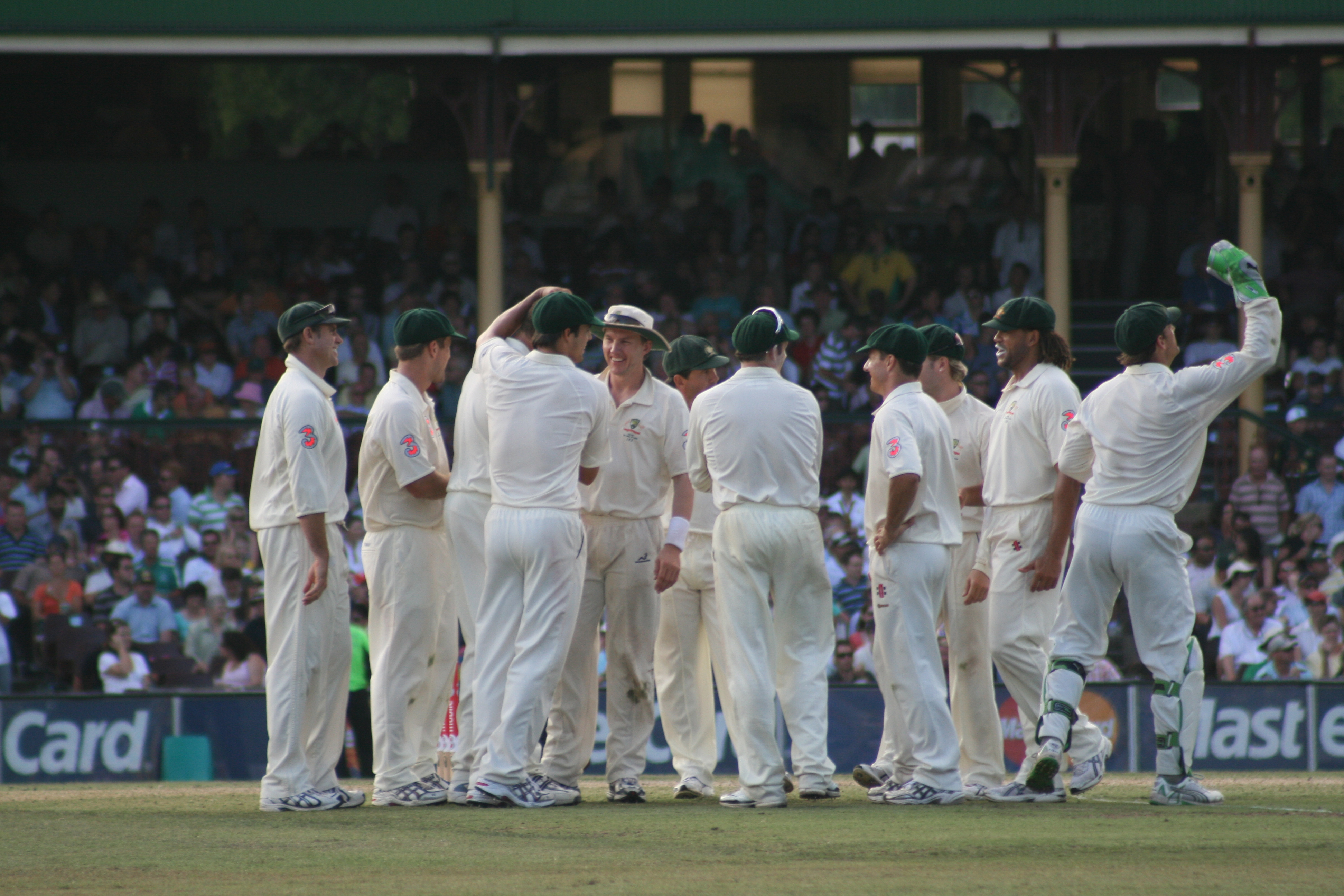
I should be delighted without qualification. Australia are coming to India for five Tests, beginning in January 2027, and the itinerary includes Nagpur, Chennai, Guwahati, Ranchi and Ahmedabad. Five Tests at home against an opponent that understands the format’s rhythms should be the centrepiece of an Indian season. I have already begun making the sort of impractical travel calculations that Test tragics mistake for responsible adulthood.
Yet the pleasure comes with irritation. The BCCI’s published home schedule places this grand series after a long procession of ODIs and T20Is against West Indies, Sri Lanka and Zimbabwe. The Board has given Test cricket a banquet, certainly, but only after asking supporters to live on snack packets. That contrast reveals its governing instinct: the five-day game remains useful as prestige, while white-ball cricket supplies the dependable broadcast volume.
A series cannot carry a format
The Border-Gavaskar Trophy has earned its stature. India and Australia have produced tactical, technical and emotional contests capable of filling all five days with consequence. Expanding it to five matches acknowledges that demand. The ICC’s summary of the season rightly presents the series as its climax and notes its place in the World Test Championship. But one premium rivalry cannot compensate for the thinning of ordinary Test cricket.
A healthy format needs middle-class fixtures, not just luxury events. India should play Tests against teams that may not guarantee a full house or record streaming numbers. The meaning of a championship depends on those matches too. If administrators schedule only rivalries that sell themselves, weaker Test nations lose revenue and experience, rankings become distorted and the game shrinks into a private league among three or four boards.
I know the commercial answer. Limited-overs matches fit evening schedules, produce clear inventory and allow broadcasters to sell a climax every few hours. Test cricket occupies daylight, resists tidy prediction and may finish early. But the BCCI is not merely a content studio. It is the wealthiest custodian of a sport whose long form created the history now used to market every dramatic montage.
The spectator is treated as decoration
Indian Test crowds are discussed lazily. When seats are empty on a weekday, commentators declare that nobody cares. They rarely ask whether tickets were released early enough, whether purchasing systems worked, whether transport was convenient, whether shade and drinking water were adequate or whether fans knew the venue months in advance. Administrators treat the spectator experience as an afterthought and then use the resulting inconvenience as evidence against demand.
A five-Test series spread across varied cities is an opportunity to correct this. Publish ticket windows well ahead of time. Offer genuine five-day passes alongside flexible daily tickets. Make public transport plans part of the event announcement. Provide affordable water and food. Give school and club cricketers structured access without turning entire stands into camera-ready giveaways. A person willing to spend seven hours watching a defensive spell should not also have to defeat a malfunctioning website and a police barricade.
Timing matters for television viewers as well. The modern Indian cricket calendar assumes attention is infinitely renewable. Bilateral T20Is follow tournaments; ODIs appear because another rights package needs fixtures; franchise leagues occupy increasingly broad windows. By the time a Test arrives, the audience has been asked to treat dozens of previous matches as urgent. Scarcity creates meaning. The Board’s fear of an empty week may be eroding the value of the weeks it sells.
Domestic cricket cannot be wallpaper
The five Tests will also expose how seriously India treats its first-class system. Selection debates now happen through franchise performance, social-media clips and reputation. The Ranji Trophy is praised ceremonially whenever a star returns for one match, then pushed out of public view. If Test cricket is genuinely a priority, domestic red-ball form must be legible to supporters. Scorecards are not enough. Matches require reliable streams, proper production, informed commentary and schedules that do not force players to choose between formats unnecessarily.
Pitches deserve similar honesty. I do not object to India using home advantage. Australia prepare surfaces suited to their strengths and England does the same. A turning pitch is not morally inferior to a seaming one. But a surface on which luck overwhelms skill by the second session cheats both teams and shortens the event the Board is trying to sell. The best Indian pitches demand technique against spin while allowing a batter who solves the problem to prosper.
The temptation before a marquee Australian series will be to treat every match as an examination of national virility. That produces conservative selection and frantic reaction. Five Tests should reward depth and adaptation. India will need patient openers, bowlers capable of long spells, a wicketkeeper selected for the primary craft and reserves who have played meaningful first-class cricket. The schedule should be used to build a Test side, not merely to stage five enormous television events.
The World Test Championship needs reform
The WTC gives bilateral series context, but its uneven schedules remain awkward. Teams do not play identical opponents or equal numbers of matches. Percentage tables explain the arithmetic without curing the imbalance. India’s commercial power gives the BCCI leverage to demand a more coherent future competition, including minimum series lengths and financial support for boards that lose money hosting Tests.
Instead, the richest boards often behave as though the decline of Test cricket elsewhere is somebody else’s weather. It is not. When West Indies or South Africa cannot retain players for the format, India loses future opponents. When smaller boards avoid longer series, the historical record becomes concentrated among wealthy nations. Eventually even premium rivalries become repetitive because the surrounding ecology has disappeared.
I am not asking the BCCI to subsidise nostalgia indefinitely. Formats must attract audiences. But the Board could package rights so that Test investment is a condition of access to more lucrative properties. It could fund touring costs, support day-night experimentation where appropriate and coordinate meaningful windows free from overlapping franchise commitments. Markets are designed by institutions; they do not descend from the sky wearing sponsor logos.
Enjoy the feast, question the diet
Australia’s visit should be magnificent. Chennai may offer abrasion and spin, Nagpur tactical intrigue, Ranchi its own conditions, Guwahati the energy of a less frequent Test venue and Ahmedabad sheer scale. Five matches permit narratives to breathe. A batter can fail, adjust and return. A bowler can set up an opponent over weeks. Captains must manage bodies and ideas rather than chase a single afternoon’s momentum.
That is precisely why I resent the relegation of this experience to special occasions. Test cricket asks more of us and gives more back. It allows silence, memory, error and recovery. It does not need to become the dominant commercial format again; that contest is over. It needs a protected, credible place in the calendar and administrators willing to value something beyond the immediate price of inventory.
I will watch the white-ball games, complain about most of them and remember fewer than I expect. I will arrange my life around those five Tests. The BCCI understands that loyalty well enough to sell it. I want the Board to understand that loyalty also imposes a duty. A feast is welcome. A serious custodian must ensure the kitchen remains open after the distinguished guests leave.