India returned from the Aichi-Nagoya Asian Games with 85 medals, 21 of them gold, and finished fourth. For several days, this produced the familiar national ceremony: triumphant posts, airport garlands, montages set to swelling music and sudden expertise in sports most viewers had ignored a month earlier. Then the country’s attention moved back to cricket’s next bilateral engagement, as reliably as a television remote returning to its favourite channel.
I am proud of the total, but I am more interested in its shape. The Indian Olympic Association’s account records medals across a wide range of disciplines, with athletics contributing 24, shooting 15 and archery nine. This was not one superstar dragging a delegation into relevance. It was evidence of sporting breadth. India’s problem is no longer an absolute absence of excellence; it is our inability to sustain attention between podium photographs.
Twenty-four medals are not one story
Athletics produced one gold, nine silvers and fourteen bronzes. Some people will look at that distribution and complain that India failed to convert enough podium finishes into titles. That is a fair high-performance question, but a foolish reason to diminish the achievement. Track and field is brutally competitive, spread across varied body types, techniques and training systems. Twenty-four medals indicate a pipeline, even if the top step remains harder to reach.
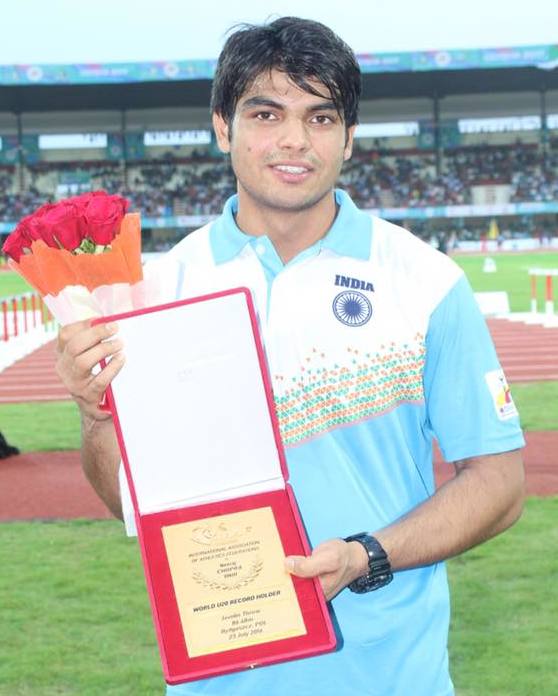
The Athletics Federation of India’s event record names the people hidden inside the aggregate: relay runners combining under pressure, distance athletes surviving tactical races, jumpers and throwers competing in disciplines that receive almost no regular domestic coverage. Sawan Barwal’s marathon medal ended a wait measured in decades. Baranica Elangovan reached the women’s pole-vault podium. Vithya Ramraj combined an individual hurdles medal with relay success. These are not decorative details. They are careers.
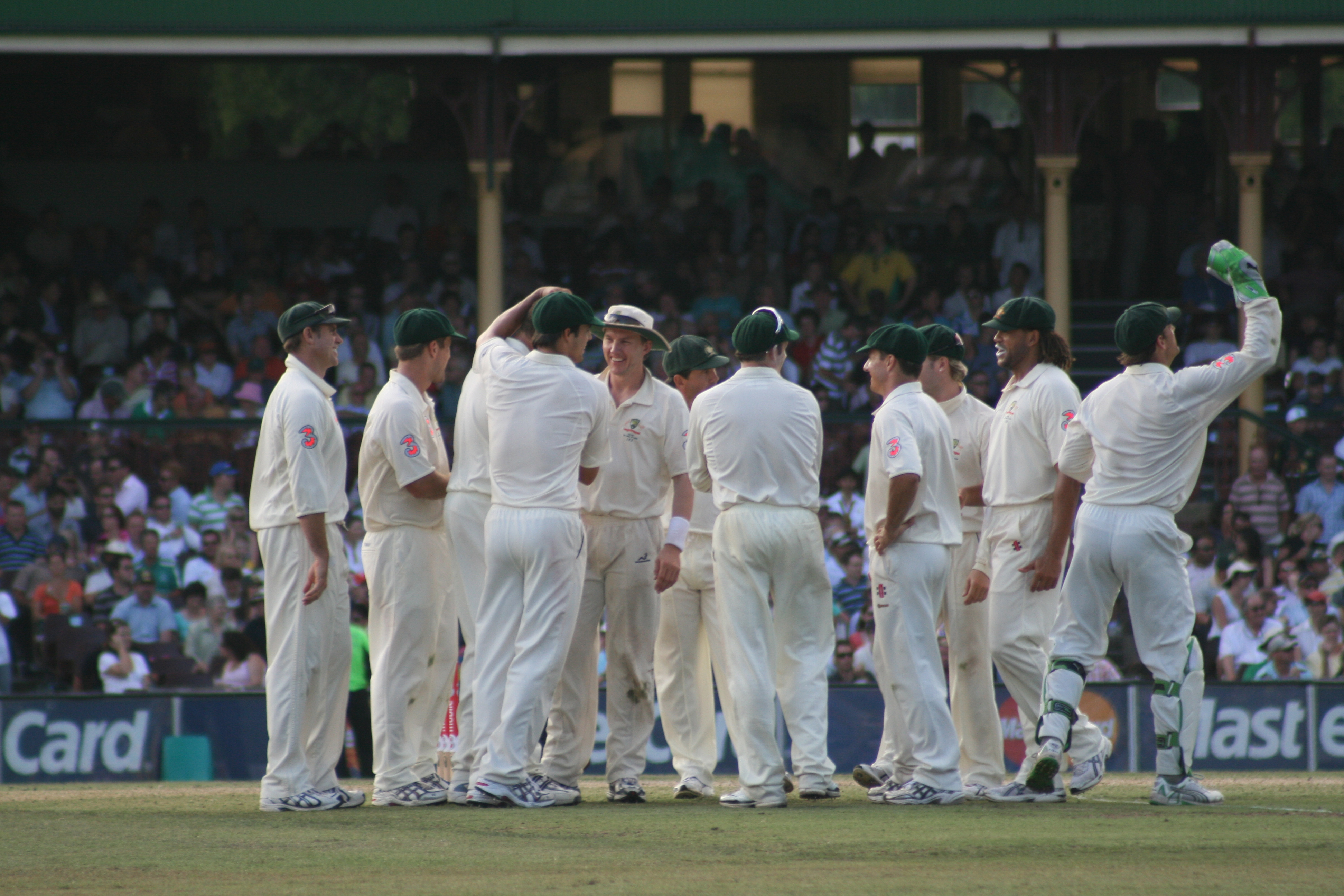
Yet our sports conversation turns athletes into temporary national property. Before a major event, we demand medals. After a medal, we demand gratitude, inspiration and a convenient personal struggle. What we rarely offer is sustained curiosity about the craft. How does a pole-vaulter train? Where does a marathoner find suitable competition? What does a relay squad do to perfect exchanges? Cricket viewers absorb field settings and strike rates because broadcasters teach them. Other sports remain supposedly difficult because nobody makes the same educational investment.
Coverage creates an audience
Executives often say they cannot cover non-cricket sport because audiences are small. This is presented as market wisdom, though it contains a circular excuse. Audiences do not develop a relationship with athletes they see once every four years. If national championships are unavailable, schedules hard to find and commentary treated as an afterthought, the public cannot acquire the familiarity that turns competition into drama.
Cricket did not become culturally dominant through sporting merit alone. It benefited from history, broadcasting, administration, sponsors and an endless narrative machine. A young cricketer’s domestic innings can produce debate, analysis and endorsement speculation. An Asian Games medallist in rowing or sailing may struggle to have her next event mentioned. Asking both athletes to command equal attention through personality is absurd. One competes inside an industry; the other appears during a national festival.
Public broadcasters, federations and private platforms should guarantee discoverable coverage of major domestic competitions. Discoverable is the important word. A silent stream buried behind a confusing menu technically satisfies a contract while doing nothing for a sport. Events need schedules, athlete profiles, commentary, highlights and clips that explain rather than merely celebrate. The cost is modest compared with the money spent acquiring another slice of cricket inventory.
Funding must follow evidence, not glamour
The medal spread offers policymakers useful information. Shooting and archery continue to provide depth. Athletics has volume but needs better conversion to gold. Boxing and wrestling remain significant. Squash delivered medals despite its limited mass visibility. Team sports produced major successes. Investment decisions should examine where systems are creating repeatable results and where athletes succeed despite weak systems.
I dislike the lazy argument that all sports deserve equal funding. They do not have identical participation bases, facilities, international pathways or medal opportunities. Fairness means transparent criteria, not equal cheques. Federations should be judged on athlete development, coaching quality, governance, safeguarding and progression from junior to senior competition. Money should follow credible plans, while athletes must have routes to report dysfunction without risking their careers.
Corporate sponsors also need to move beyond signing champions after victory. The useful money arrives when an athlete requires international competition, recovery support, equipment and stability. A brand that appears beside a medallist at a felicitation ceremony has purchased association. A brand that supports a promising athlete through an uncertain cycle has supported sport. I know which contribution deserves applause.
Women’s success cannot remain symbolic
Women were central to India’s campaign across athletics, shooting, hockey and other disciplines. Every such success is praised as proof that Indian daughters can achieve anything. The slogan becomes less moving each time the same athletes must negotiate unsafe training environments, inadequate facilities, poor menstrual-health support or family pressure without institutional help.
If officials truly want the medal to inspire girls, they should make local participation easier. Safe transport to grounds, women coaches, functional toilets, equipment libraries and competitions near home are not glamorous interventions. They are the difference between a talented twelve-year-old continuing and disappearing. Elite success can motivate, but aspiration without access becomes another advertisement.
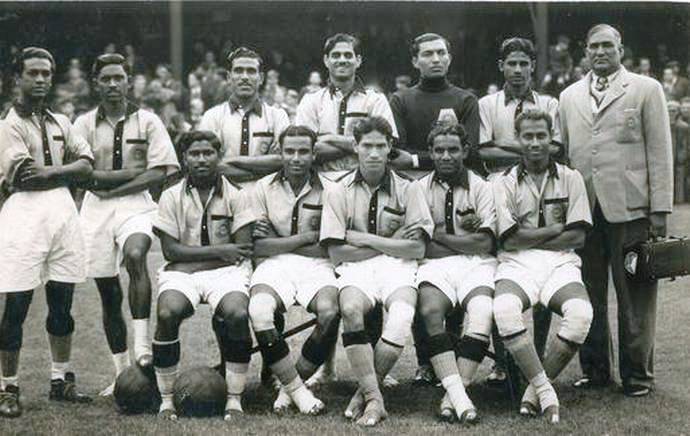
The women’s hockey gold, ending a long wait, should be used to strengthen the domestic game and school participation. Relay success should produce investment in sprint coaching and competition. Shooting medals should prompt questions about widening access beyond families able to bear early equipment costs. Celebration is valuable only when institutions convert it into infrastructure.
Los Angeles will expose our seriousness
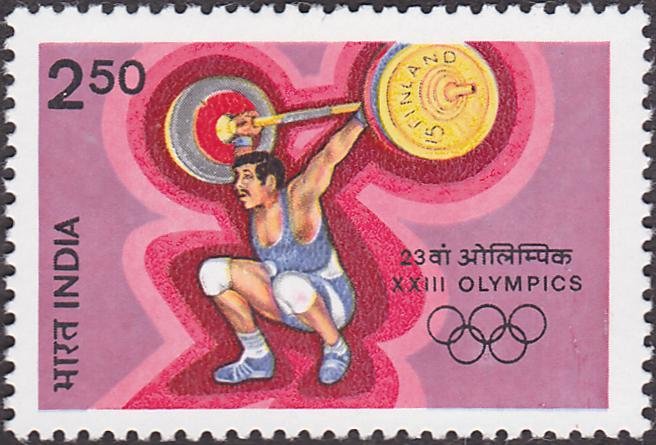
The inevitable next question is what these results mean for the 2028 Olympics. We should be encouraged, not intoxicated. Asian success does not translate automatically to a global podium. Competition deepens, qualification pathways tighten and events differ. Several Asian Games disciplines are not Olympic events, while medal totals can create a flattering impression through team categories. Serious analysis must identify performances that are genuinely competitive at world level.
That requires individual planning. Athletes need international exposure selected for developmental value, not junkets. Coaching appointments should be made early enough to build trust. Sports science must serve athletes rather than produce glossy presentations. Injuries should be managed by professionals whose incentives favour long-term health, not officials anxious about the next event.
We should also stop treating fourth place in Asia or an Olympic final as failure. A medal is the most visible measure, but a high-performance system improves through finalists, personal bests and consistent qualification. If coverage acknowledges only winners, federations learn to conceal the depth of the challenge and audiences turn cruel toward athletes who miss by fractions.
The 85 medals mattered because they showed many different Indian sporting lives reaching the podium together. What happens now matters more. I do not want these athletes summoned again only when a sponsor needs a patriotic campaign or a minister needs a photograph. Follow their next season. Televise their championships. Ask federations difficult questions. Learn their events well enough to criticise intelligently.
Cricket does not need to shrink for other sports to grow. Our imagination does. India has enough viewers, money and competitive ambition to care about more than one game at a time. A medal table cannot force that change, but it can remove our favourite excuse. The talent is not missing. Our attention is.