The delimitation debate has acquired the familiar rhythm of a Delhi outrage cycle. A difficult constitutional question appears on the horizon. Opposition leaders announce that the worst imaginable BJP plan is already settled. Television panels treat speculation as a leaked Cabinet note. Social media produces maps in which half the country has apparently been disenfranchised. By dinner, anyone asking for the actual proposal is accused of denying southern India’s concerns. I find this choreography exhausting because the concern itself is legitimate. States that reduced fertility and invested in public welfare should not feel that successful demographic transition will erase their voice. But legitimacy is not improved by manufacturing certainty where none exists.
India will have to confront representation after the first census conducted following 2026. The existing Lok Sabha map cannot remain frozen forever while constituencies grow radically unequal in population. One member representing far more citizens than another is also a democratic distortion. These principles pull in different directions: equal weight for individual voters, protection for states that met national population goals, adequate representation for Scheduled Castes and Scheduled Tribes, and preservation of federal balance. Anyone presenting a single arithmetic formula as morally obvious is selling politics, not solving a constitutional problem.
Start with what the Constitution says
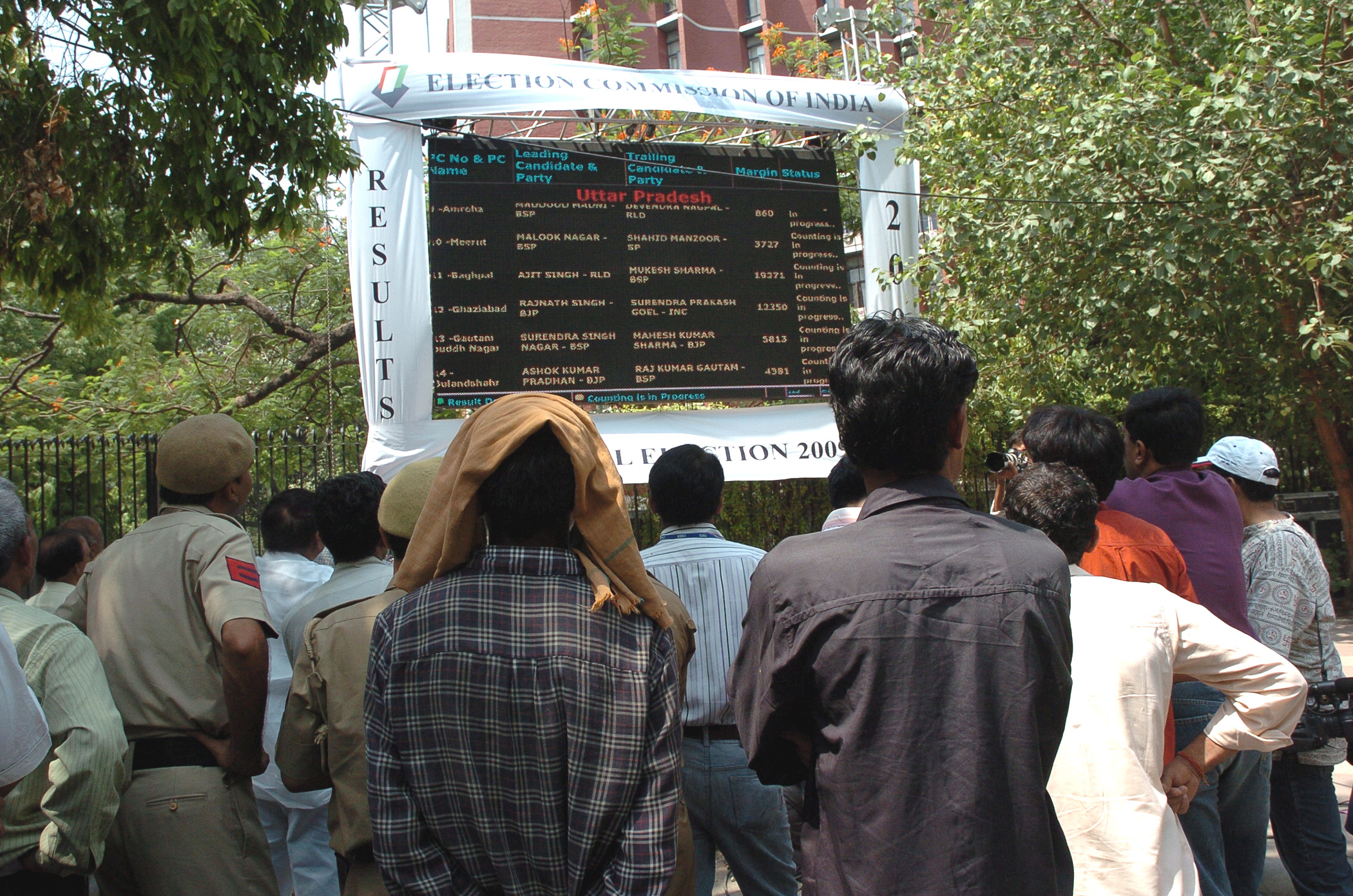
The useful starting point is less dramatic than a press conference. The Election Commission’s explanation of delimitation notes that Parliament enacts a law after a census and a Delimitation Commission then redraws constituencies. It also explains that the current constituencies are based on 2001 census figures and that the constitutional freeze continues until the first census after 2026. In other words, a chain of public legal and institutional steps is required. There is no invisible lever in the BJP office that can redraw India overnight.
The constitutional provisions published by the Election Commission’s own archive make the underlying tension plain. The official compilation of delimitation provisions ties representation to population while recording the freeze. That is not a conspiracy invented in 2026; it is an unresolved bargain that successive governments postponed. Congress participated in maintaining that bargain when it held power. Its present tone suggests that history began the morning it entered opposition.
I do not dismiss southern unease. I live with the irritating habit of Delhi commentators treating “the South” as a single prosperous administrative unit that exists mainly to rescue national statistics and provide election-night graphics. Tamil Nadu, Kerala, Karnataka, Andhra Pradesh and Telangana have different economies, political cultures and demographic paths. Yet they share a reasonable fear: a crude reallocation based only on population could reduce their relative influence even though their governments acted in accordance with national goals. That fear deserves explicit political reassurance and creative institutional design, not patronising lectures about one-person-one-vote.
Representation has more than one dimension
At the same time, northern voters are not guilty of being born in larger or faster-growing states. A constituency so populous that an MP cannot meaningfully reach its residents is not an acceptable permanent arrangement. The democratic answer cannot be to freeze individual inequality indefinitely because state governments elsewhere performed better. India is a union of states and a republic of citizens. Both facts matter. This is why serious options include expanding the total size of the Lok Sabha, protecting every state’s existing number of seats while distributing additional seats through a negotiated formula, and strengthening the Rajya Sabha’s federal role.
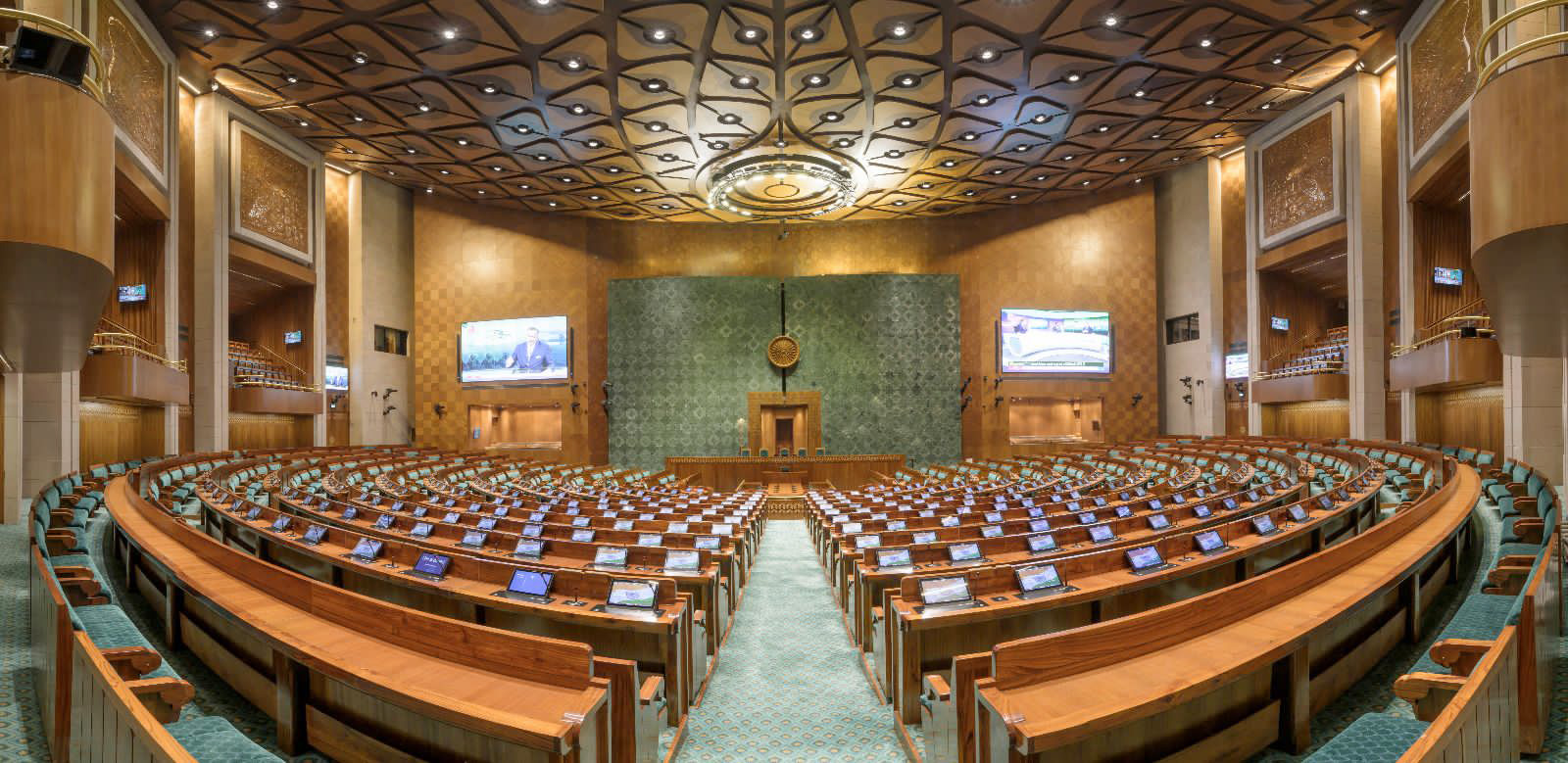
The new Parliament building has space for a larger House, which the commentariat cites as if furniture were proof of a secret allocation plan. I regard capacity planning as evidence that somebody in government remembered the constitutional calendar. Building a chamber unable to accommodate future members would have been astonishingly foolish. Physical capacity does not answer how seats will be assigned. That decision requires law, debate and, politically, a settlement broad enough to endure. The government should say this repeatedly and early. Silence allows opposition parties to fill the gap with fever dreams.
Here I will criticise the BJP’s political instinct. Its leaders often assume that refusing to dignify a speculative accusation will deprive it of oxygen. The opposite happens. When federal anxiety is involved, disciplined reassurance is not weakness. The Centre should publish a principles paper before proposing legislation. It should consult chief ministers across parties, invite demographic and constitutional experts, and set out models with their consequences. Most importantly, it should commit that no state will lose its existing Lok Sabha seats. Such a floor would not settle the question, but it would remove the most combustible fear.
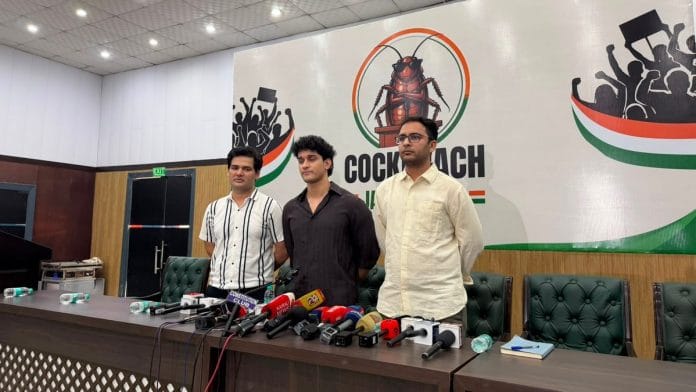
What I reject is the INDIA alliance’s habit of treating consultation as something it can demand only after declaring the verdict. If leaders tell southern voters that the BJP has already decided to silence them, every later compromise will be described as a retreat forced by heroic resistance. That may be clever opposition branding. It is terrible federal preparation. Congress, whose governments centralised power with enthusiasm, now speaks as though it invented state autonomy during a panel discussion last Tuesday. Regional parties have stronger standing to raise the issue, but even they should distinguish bargaining leverage from public panic.
A bigger House is necessary but insufficient
Expanding the Lok Sabha is the least bad starting point. India’s population has grown enormously while the elected House has remained at 543 seats. MPs serve electorates of a scale that makes the romantic ideal of personal representation absurd. More seats could reduce constituency size and create room to improve voter equality without taking members away from any state. Yet expansion alone does not answer relative power. If nearly all additional seats flow to a few populous states, southern influence still declines proportionally. That consequence must be openly acknowledged rather than hidden behind the phrase “nobody loses a seat”.
A negotiated formula could weigh population alongside performance-related safeguards, though I am wary of turning parliamentary representation into a reward scheme for whichever indicators Delhi chooses. Fertility decline is affected by education, health, urbanisation and income, not simply governmental virtue. Migration further complicates the picture: workers contribute to one state’s economy while remaining counted and politically rooted elsewhere. Census quality matters too. We should not pretend a spreadsheet can resolve questions about belonging, mobility and federal power without political judgment.
The Rajya Sabha also deserves attention. If the Lok Sabha moves closer to population equality, the chamber meant to represent states should become a more credible federal counterweight. India need not copy the United States, where states of vastly different sizes receive equal Senate representation. But Parliament can strengthen committee scrutiny, improve consultation on legislation affecting state competences and reduce the casual use of procedural shortcuts. Federalism is not protected only by seat totals. It is protected when institutions require the Union to listen.
There is also a women’s representation dimension. The constitutional arrangement for reserving seats for women is linked to a future delimitation exercise. That makes endless postponement undesirable. The political class cannot celebrate women’s reservation and then treat the process required to implement it as radioactive. Nor should the eventual redrawing become an excuse for delay through avoidable litigation and opaque mapping. An independent commission, transparent criteria, public hearings and accessible data will matter as much as the headline allocation between states.
Lower the temperature before drawing the map
My preferred sequence is clear. Conduct a credible census. Publish the data and methodology. Establish cross-party principles before introducing a detailed formula. Guarantee that no state loses existing seats. Expand the House substantially. Debate how additional seats can improve voter equality without making successful demographic transition feel like political self-harm. Pair the settlement with institutional measures that deepen federal consultation. None of this is revolutionary. It is the patient constitutional politics a diverse republic requires.
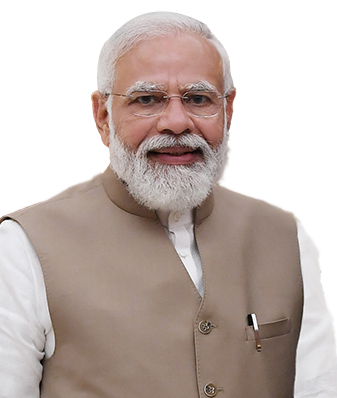
The Modi government deserves the benefit of the doubt only if it earns it through process. Its opponents are wrong to pronounce guilt before a proposal exists, but the Centre cannot answer them with slogans. It must recognise that arithmetic can carry cultural meaning. Southern states hear a debate about seats and wonder whether linguistic, fiscal and political pluralism will survive a population-driven shift. Those anxieties should be met respectfully. A confident national party should be able to say that unity does not require demographic majoritarianism.
Equally, the commentariat should stop converting every hard question into a morality play with Narendra Modi as the predetermined villain. Delimitation was deferred by constitutional amendments supported across eras. Population imbalances accumulated under governments of different parties. The need to revisit representation is not a BJP invention. The task now is to design a durable bargain, not to win a week of hashtags. I want southern leaders to negotiate fiercely, northern leaders to explain their voters’ democratic claims, and the Union government to make compromise possible. That is federalism. Rehearsed panic is merely campaigning with a map.