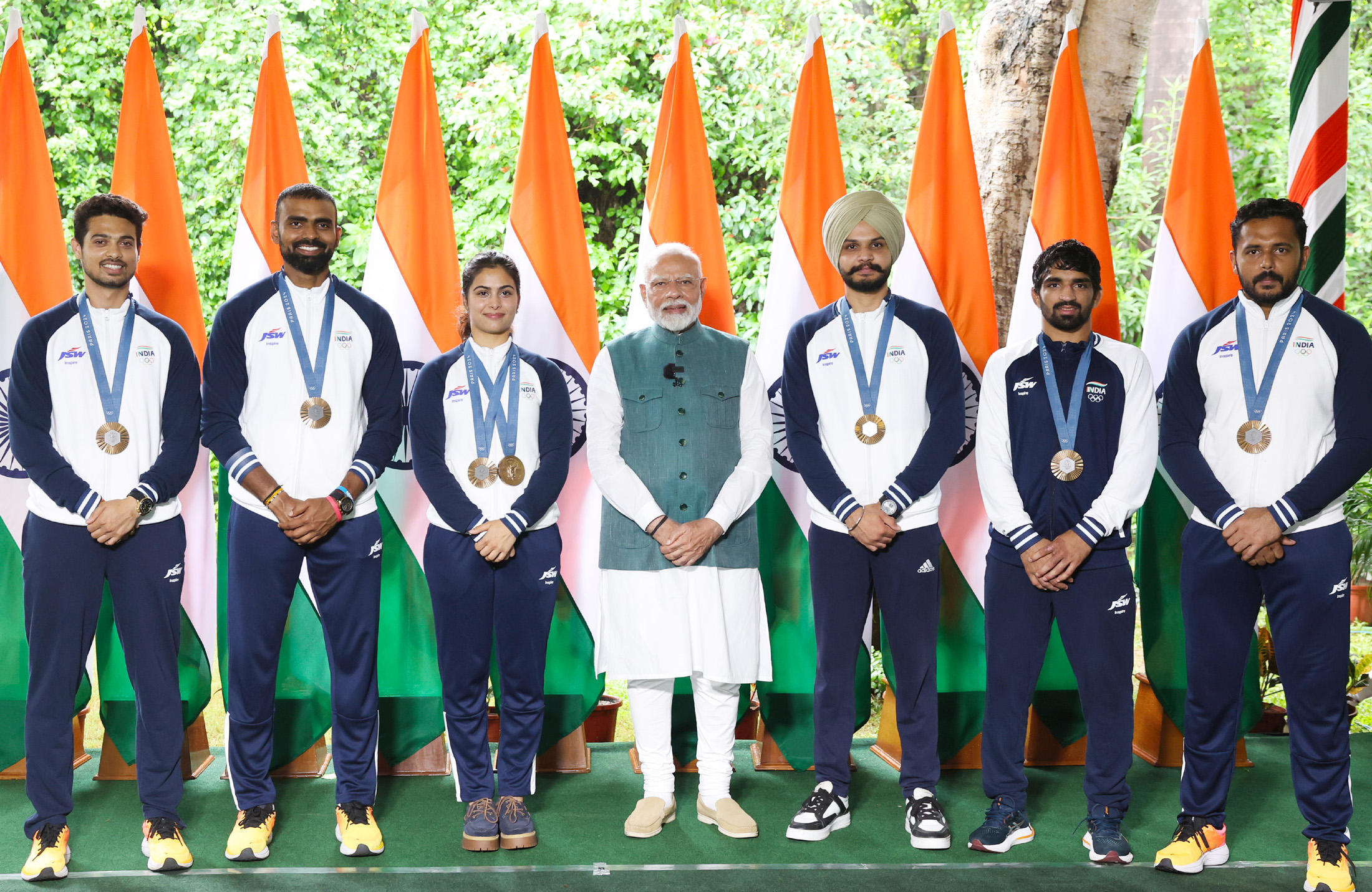
India’s multi-sport athletes experience a peculiar national ritual. For two weeks, they become family. We learn the pronunciation of their names, debate judges, discover the rules of obscure disciplines and circulate clips of parents watching from small living rooms. Then the closing ceremony ends, the cricket schedule resumes, and our newly adopted relatives are left to train in near silence.
The Aichi-Nagoya Asian Games once again showed the size and variety of the continental stage. The IOC noted that athletes from 45 national Olympic committees competed across 43 sports and 469 medal events. Those numbers matter because they describe an ecosystem, not a fortnightly spectacle. If India wants repeatable excellence, it must engage with that ecosystem every month.
Before the Games, The Bridge examined whether India could again cross the hundred-medal mark and recorded a contingent approaching five hundred athletes. I understand the appeal of the target. A round number converts dozens of simultaneous contests into a scoreboard the public can follow. But medal totals can also flatten the questions that matter: Which sports are building depth? Which results depend on one extraordinary individual? Where are women losing access? Which federations provide competition rather than only camps?
A medal is an outcome, not a system
When an athlete wins, ministers, sponsors and administrators often stand close enough to enter the photograph. The more useful test comes eighteen months earlier, when that athlete needs physiotherapy, international exposure, reliable equipment or a domestic rival strong enough to expose weaknesses. Systems are visible in calendars, selection policies and medical support—not congratulatory posts.
I want every national federation to publish a simple annual performance document. It should list camps, domestic events, selection criteria, international starts, injury support and spending by programme. Athletes should know how decisions are made. Journalists should not have to rely on private messages to discover why a team missed an event or why a camp began late. Transparency is not paperwork added to sport; it is protection against arbitrary careers.
The Indian Olympic Association and Sports Authority of India can create common reporting standards while leaving technical decisions to federations. Public money deserves public accounting, and athletes deserve an appeal process that moves faster than a competitive season. A victory in court after an event has ended is not a remedy.
We also need to distinguish elite funding from ecosystem building. Supporting medal prospects is rational. Concentrating nearly all attention on a few established names is risky. A champion retires, suffers injury or encounters a younger international field, and the apparent strength disappears. Depth requires junior coaching, school access, domestic leagues and enough competitions for selection to reflect performance rather than reputation.
Cricket is not the villain, indifference is
I am frequently asked whether cricket receives too much money. That question misidentifies the problem. Cricket earns enormous attention because it built a frequent, legible product with recognisable teams, stars and narratives. The rest of Indian sport cannot reproduce the IPL’s economics, and it should not try to cosplay as cricket. But it can learn from continuity.
A badminton fan should know when the next major domestic event occurs. Athletics results should be available in a clean database. Wrestling trials should be streamed with competent commentary. Archery and shooting can explain formats before finals rather than assuming viewers arrived with rulebooks. Volleyball, hockey and kabaddi need schedules that supporters can follow without detective work. Visibility begins with predictability.
Media organisations share responsibility. Editors often say non-cricket stories do not attract readers, then publish them only after medals, with generic headlines and no accumulated context. Audiences cannot care about rivalries they have never been introduced to. A sport needs reporting on selection, form, coaching changes and junior progression. The medal is the climax, not the opening paragraph.
Sponsors also prefer finished stars because finished stars reduce risk. Public policy should fill the earlier gap. Small, multi-year grants for emerging athletes are more useful than one-time rewards after success. Funding should cover ordinary costs that determine careers: nutrition, travel, equipment replacement and recovery. The glamorous cheque arrives too late to buy the years that produced the medal.
Women’s sport needs more than celebratory language
India rightly celebrates women who succeed despite unequal access. I sometimes worry that the phrase “despite the odds” has become a national excuse for preserving the odds. A woman athlete may navigate unsafe travel, weak sanitation at grounds, family pressure, poor accommodation and coaching environments designed around men. Her resilience should not absolve institutions.
Every federation should publish participation and retention data by gender and age. If girls enter a programme at fourteen and disappear by eighteen, administrators should have to explain why. Safe reporting mechanisms for harassment are essential, but so are mundane facilities: changing rooms, female support staff, predictable travel and childcare provisions for senior athletes who are mothers.
Coverage must change as well. Women athletes are still too often presented through family sacrifice, marriage prospects or emotion while men receive technical analysis. Human stories matter—I write them myself—but competence deserves vocabulary. Tell me about a runner’s pacing, a boxer’s distance control or an archer’s release. Respect is visible in the quality of attention.
The years between Games decide the next Games
The Asian Games should trigger sport-by-sport reviews conducted in public. A federation that exceeded expectations should identify what worked and how it will be sustained. One that underperformed should distinguish bad luck from structural weakness. Targets should concern development as well as medals: number of competitive starts, junior transition, coaching education, injury days and international ranking depth.
States have an underused role. India’s sporting strengths are geographically uneven, often because local traditions, facilities and coaching clusters reinforce one another. Policy should support those clusters without trapping athletes inside state patronage systems. Regional centres can specialise, but selection must remain national and transparent.
Universities could become a much stronger competitive layer. Many athletes face a cruel choice between education and training because academic flexibility depends on personal negotiation. A credible university circuit, connected to scholarships and federation pathways, would extend careers and widen participation. It would also create local audiences with an institutional reason to care.
I do not want to hear, at the next major Games, that a medal has “come from nowhere.” It almost never has. It came from a coach working without recognition, parents rearranging a household, an athlete travelling to small competitions and years of results that most newsrooms ignored. The surprise belongs to us, not to the athlete.
India’s broad Asian Games ambitions are worth celebrating, but celebration should produce obligations. Follow the calendars. Publish the data. Fund the middle years. Cover athletes while they are becoming, not only after they arrive. Cricket will continue to command the country’s largest stage; resentment will not change that. The answer is to build durable stages elsewhere and keep the lights on after the flags are folded.