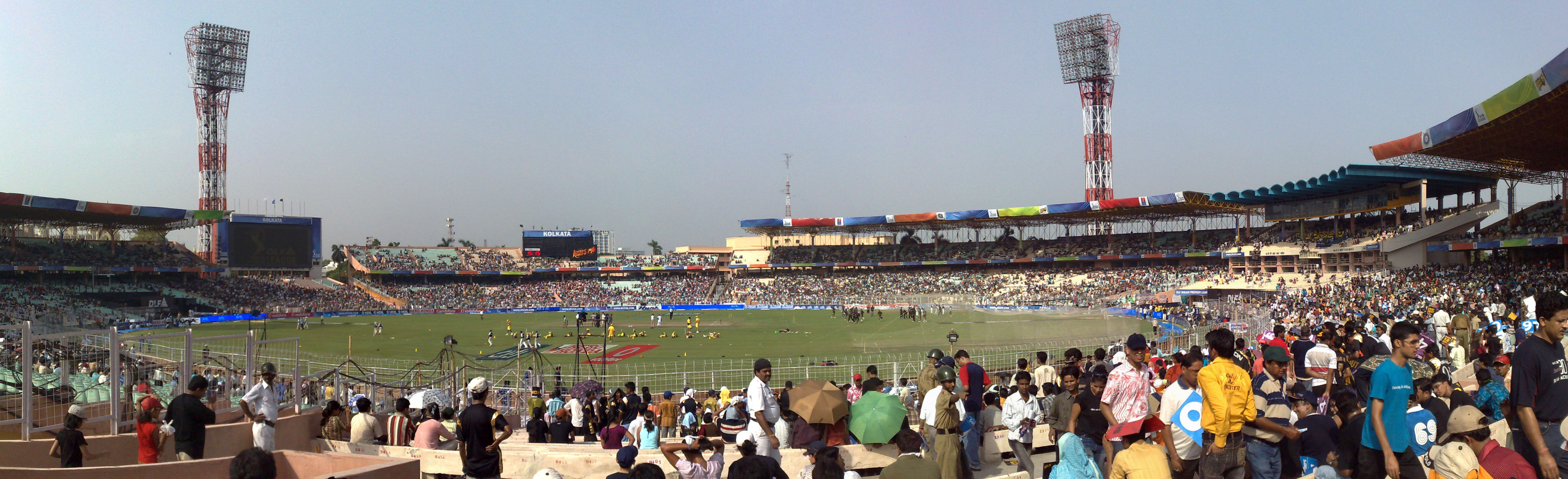

I can already hear the objection: two Tests in New Zealand are better than none, and modern schedules are crowded. That is true in the same bloodless way that one good meal a week is better than starvation. India’s forthcoming tour offers five T20 internationals, five one-day internationals and, finally, two Tests. The sequence is a perfect diagram of cricket’s declared values and actual incentives. We call Tests the pinnacle, then place them at the far end of the itinerary like grandparents in a family photograph.
The BCCI’s squad announcement confirms the two-Test assignment in Wellington and Christchurch, beginning after the five-match ODI series. The team is serious: Shubman Gill leads, Jasprit Bumrah heads the attack, and the batting group contains the players expected to carry India into its next phase. My complaint is not about selection. It is about what a two-match series permits us to learn.
A proper Test contest develops memory. Conditions expose a flaw, a player adjusts, the opponent counters, and the series acquires a tactical biography. With only two matches, the first defeat creates panic and the first draw can consume half the contest. There is no room for an injured bowler to return, a young batter to solve a technical problem, or a captain to redesign a plan over time. We receive episodes instead of an argument.
Preparation cannot be decorative
New Zealand is among the hardest places for an Indian batter to begin a Test series. The ball moves, weather interrupts rhythm, and surfaces can demand judgment that no amount of indoor practice fully reproduces. India A’s multi-day fixtures are therefore welcome. The BCCI scheduled three multi-day matches for India A, and several senior or fringe Test players were named. That is the kind of preparation structure I have wanted for years.
But preparation must connect to selection. If an India A batter spends weeks learning the conditions and succeeds against the moving ball, that evidence should matter more than a burst of franchise runs months later. The A programme should be a bridge, not a waiting room where red-ball specialists watch white-ball reputations jump the queue.
I would also have preferred at least one substantial first-class match for the Test XI together. Yes, the calendar makes it difficult. The calendar did not arrive from outer space. Administrators created it through bilateral commitments, league windows and an understandable appetite for commercially attractive content. When every compromise is made at Test cricket’s expense, the word “unavoidable” loses meaning.
Bumrah’s workload will dominate the discussion, as it should. India cannot pretend its finest fast bowler is an infinitely renewable resource. Yet workload management becomes easier when series have shape. In a three-Test contest, the team can plan rotation, select a broader attack and recover from one absence. In two Tests, resting a great bowler can feel like conceding a quarter of the available opportunities to take twenty wickets.
The batting transition needs time
India’s batting is no longer organised around the reassuring permanence of an older generation. Gill, Yashasvi Jaiswal, Sai Sudharsan and Devdutt Padikkal represent different stages of the transition. KL Rahul offers experience, while Rishabh Pant’s availability carries its own tactical importance. This is precisely the group that needs long overseas series.
Young batters do not become accomplished travellers by receiving motivational speeches about intent. They learn which balls can be left, how late the bat must come down, when scoring pressure is worth accepting, and how a bowler’s angle changes from one venue to another. Those lessons accumulate through innings, including ugly failures. A selection culture obsessed with instant output can punish the very process that creates durable Test players.
I hope India resist the temptation to treat aggression as a universal cure. There will be sessions when counterattack is correct, especially if bowlers settle on a full length. There will also be mornings when survival itself bends the match. Modern commentary sometimes describes restraint as fear because restraint produces fewer shareable clips. In New Zealand, a disciplined leave can be an attacking stroke against the bowler’s patience.
The captaincy question is equally fascinating. Gill must balance his own batting with the manipulation of an attack in conditions where wickets can arrive in clusters and then disappear for hours. He will need to resist formula: not every green surface demands four seamers if it weakens the batting beyond reason, and not every cloudy morning guarantees movement after lunch. Test captaincy rewards attention, not branding.
BCCI’s responsibility exceeds the Indian team
The BCCI is powerful enough to influence the health of Test cricket globally. That power brings an obligation beyond maximising the number of India fixtures that broadcasters desire. Smaller boards need financially viable tours, and the format needs context. India can insist on more three-Test series, support touring costs, and use its commercial weight to keep meaningful red-ball programmes alive.
I am not naïve about money. White-ball cricket finances much of the ecosystem, and millions of supporters genuinely prefer it. The answer is not to scold audiences. It is to design Test cricket better: sensible start times, affordable tickets, reliable schedules announced early, strong over-rate enforcement and pitches that create a contest without producing two-day lotteries. Administrators cannot neglect a product and then cite its weakened demand as justification for further neglect.
Domestic cricket matters too. The Ranji Trophy must remain a serious selection route, and players should not be subtly penalised for choosing red-ball preparation over peripheral limited-overs appearances. Central contracts can reward all-format excellence while recognising specialist value. India has the depth to sustain distinct skill pathways. It should not make every cricketer audition for the same entertainment economy.
Two Tests can still tell the truth
For all my complaint, I will be awake before dawn. Test cricket in New Zealand has a particular intimacy: modest grounds, audible crowds, skies that seem to participate in selection meetings. Every run can feel negotiated. India’s fast bowlers should enjoy the possibilities, while the batters will discover very quickly whether their defensive methods travel.
The series could also expose the limits of India’s depth. An injury to Pant changes the middle order; an unavailable Bumrah changes every opposition calculation. Those are not signs of failure. Great players are irreplaceable by definition. The real measure is whether the system has prepared credible alternatives rather than simply famous ones.
If India win, I do not want the BCCI to treat the result as proof that two Tests were sufficient. If they lose, I do not want selectors to discard young players after four innings in alien conditions. Either reaction would confuse outcome with process. The point of a serious Test programme is to create teams capable of learning over seasons.
I remain unconvinced that administrators truly believe their tributes to the format. Their calendars speak more honestly. Five T20Is, five ODIs and two Tests tell us which inventory is abundant and which is ceremonial. The New Zealand series can still be gripping, technically rich and significant. But when the final wicket falls in Christchurch, I suspect we will feel what two-Test series so often leave behind: not completion, but the irritation of a conversation stopped just as it became interesting.