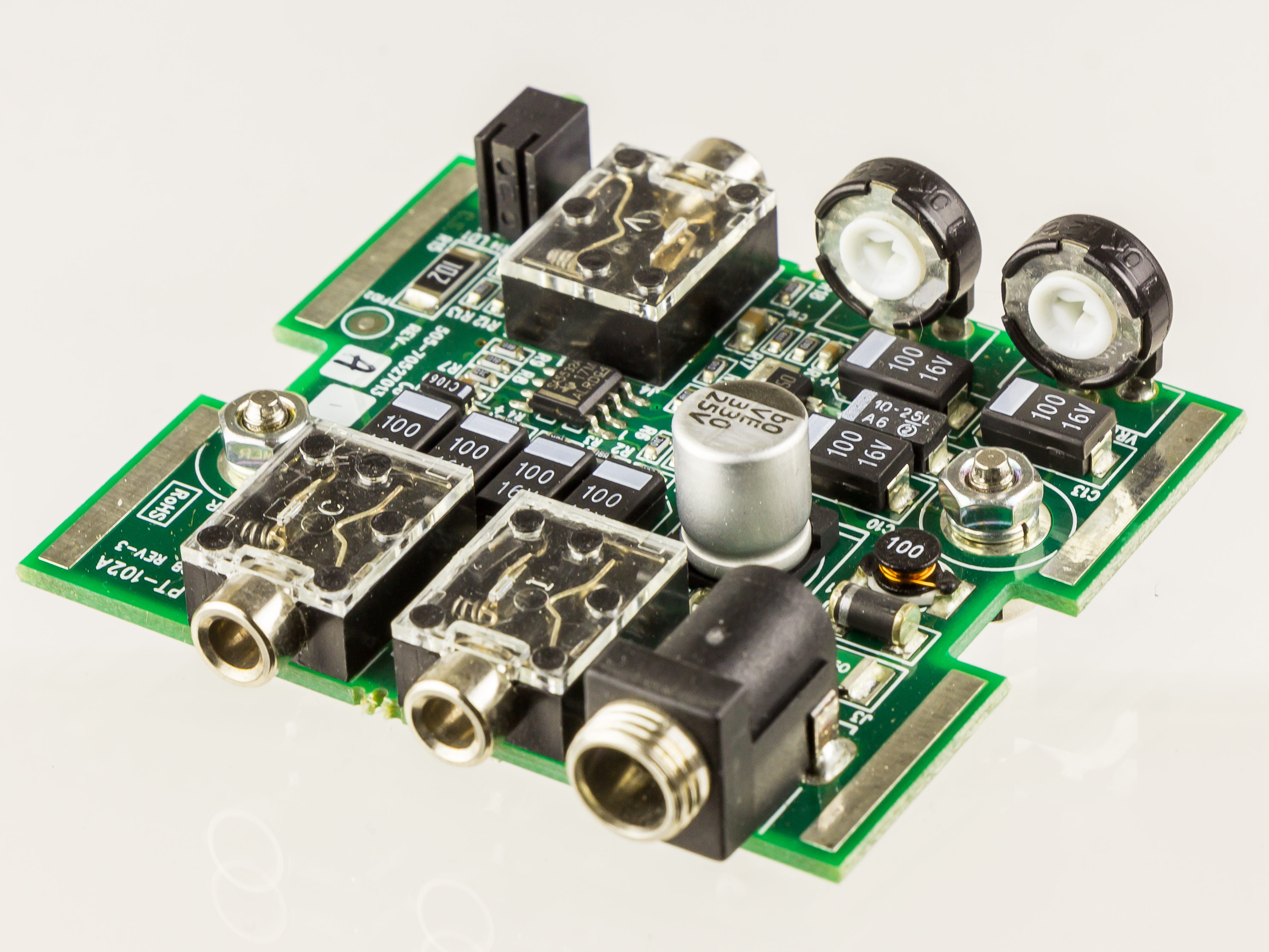

Two lazy positions dominate arguments about Indian electronics manufacturing. The government’s loudest supporters sometimes describe every phone assembled in India as proof that the entire value chain has arrived. Its loudest critics dismiss every factory as “screwdriver assembly”, as if workers, logistics, quality control and export production have no value. Both positions avoid the interesting question: how does India move from large-scale final assembly to owning more of the components, tools and industrial knowledge underneath it?
The government’s large-scale electronics PLI description shows the deliberate use of incentives to attract production. The newer Electronics Component Manufacturing Scheme portal lists display modules, camera modules, printed circuit boards, passive components, enclosures and equipment among its targets. That progression is sensible. Assembly was not the destination; it was the beachhead.
Assembly was a necessary first step
No country begins with a complete electronics ecosystem appearing simultaneously. Final assembly creates volume. Volume justifies logistics networks, supplier investment, workforce training and testing facilities. It also teaches governments where customs procedures, ports, power supply and local regulation fail. Mocking assembly because it uses imported parts is like mocking the first railway station because the steel came from elsewhere.
India has gained real capabilities through phone production. Factories employ large workforces, processes have improved and exports demonstrate that output can meet international standards. Global firms now consider India in supply-chain planning in a way they did not fifteen years ago. This is a policy achievement, and the government deserves credit for maintaining focus across multiple schemes rather than expecting one announcement to perform industrial magic.
But value addition matters. Importing high-value displays, memory, processors and camera systems while performing final assembly limits domestic income and leaves production exposed to currency shifts or geopolitical disruption. It can also produce misleading political celebration: shipment value is not the same as locally created value. The government should publish consistent estimates of domestic value addition by product category and methodology, not only headline production totals.
Component manufacturing is harder because suppliers need reliable demand, precision skills, chemicals, machinery and scale. A phone brand can change models rapidly, leaving a local supplier with stranded tooling. Indian firms require long contracts and predictable policy to invest. Incentives may bridge early cost gaps, but they cannot permanently compensate for inefficient ports, expensive capital or erratic power. Industrial policy succeeds when the ecosystem eventually needs less protection.
Why Chinese brands still dominate
Chinese phone brands remain powerful in India because they understand the market’s brutal combination of price sensitivity and high expectations. They built distribution beyond metros, offered large batteries and fast charging early, refreshed models rapidly and supplied retailers with attractive margins. Indian consumers did not choose them because they failed a patriotism examination. They chose value.
Their strength also rests on China’s component ecosystem. A brand can source displays, batteries, mechanical parts and accessories from dense supplier clusters, moving from design to volume quickly. India competes not with an isolated factory but with a network built over decades. “Make in India” must therefore be measured by network depth: how close are suppliers, how quickly can prototypes become products, and how much specialised equipment can be serviced locally?
Indian brands lost ground partly because many relied on imported reference designs without building comparable research, software support or supply-chain power. Nationality cannot rescue a weak product. If domestic brands return, they must compete on ownership experience, security updates, repair and design—not wave the flag over generic hardware. Government procurement may provide scale, but consumer markets will remain unforgiving.
Nor should policy seek to expel Chinese companies indiscriminately. India benefits when firms manufacture locally, employ people, pay taxes and develop suppliers under enforceable rules. Security concerns and data practices deserve scrutiny, but industrial policy should distinguish risk from origin-based theatre. A Chinese-owned brand producing deeply in India may contribute more local value than a Western logo importing a finished device.
Incentives need sharper accountability
Production-linked incentives are defensible when they purchase measurable additional capacity and learning. They become corporate welfare when firms receive public money for output that would have occurred anyway or when targets lack transparency. The government should disclose beneficiaries, eligible production, incentives paid, jobs created and domestic sourcing progress in a standard format. Commercial confidentiality cannot cover every result financed by taxpayers.
Job quality matters alongside job count. Electronics assembly can create large employment opportunities, especially for women, but factories require safe transport, fair contracts, grievance systems and paths to skilled roles. A workforce permanently confined to low-wage repetitive tasks is not the transformation promised by industrial policy. Training should lead from assembly to testing, maintenance, process engineering and supervision.
Research and development must connect to manufacturing. India produces talented chip designers and software engineers, yet product architecture and intellectual property are often controlled elsewhere. Universities, component firms and manufacturers need shared laboratories and applied research programmes. Tax incentives for R&D should reward actual Indian engineering teams and patents, not accounting reallocations.
Standards can create scale if introduced carefully. Common requirements for chargers, repair information, e-waste recovery and security support help domestic suppliers plan. But sudden localisation mandates can increase prices or produce low-quality substitutions. The state should publish multi-year road maps with consultation rather than surprising industry at the customs desk.
The next factory is not enough
Politicians love factory inaugurations because a building photographs well. Supplier development, metrology and toolmaking do not. Yet those less visible capabilities determine whether manufacturing becomes rooted. India needs firms that build moulds, testing equipment, industrial software and specialised materials. The component scheme’s inclusion of capital equipment is therefore important. Owning the means to make and maintain production tools is a deeper form of resilience than attaching imported modules.
States compete aggressively for plants, sometimes offering land and subsidies without adequate planning for housing, water or transport. A successful cluster needs workers to live decently near the factory. Long commutes and unsafe accommodation create turnover that damages productivity. Industrial policy must include urban planning, even when that work lacks the glamour of a memorandum signing.
Export competitiveness should be the final test. A protected domestic market can sustain inefficiency for years. Firms that sell successfully abroad demonstrate quality, cost control and reliable delivery. India should simplify customs for imported inputs used in exports while steadily increasing local sourcing where competitive capability exists. The objective is not autarky. Modern electronics will always cross borders. The objective is greater Indian value within those crossings.
I give the Modi government substantial credit for turning electronics manufacturing into a sustained national priority. Previous governments discussed hardware ambitions without creating comparable momentum. The production gains are not imaginary, and critics who still repeat “assembly only” have failed to update their argument. But supporters must update theirs too. Scale at the final stage does not automatically produce component depth.
The honest verdict is encouraging and unfinished. India has entered the electronics production system; it has not yet mastered it. Chinese brands dominate because they combine market knowledge with an ecosystem India is still building. That should motivate patient competition, not resentment. The component scheme is the correct next move if incentives remain transparent and infrastructure improves.
I will celebrate when an Indian factory ships millions of phones. I will celebrate more when the camera module, circuit board, enclosure, battery materials, testing machine and repair parts come from competitive suppliers nearby. “Make in India” becomes durable when a factory can change products without rebuilding its supply chain abroad. The government has proved that policy can attract assembly. Now it must prove that India can make the things assembly depends on.