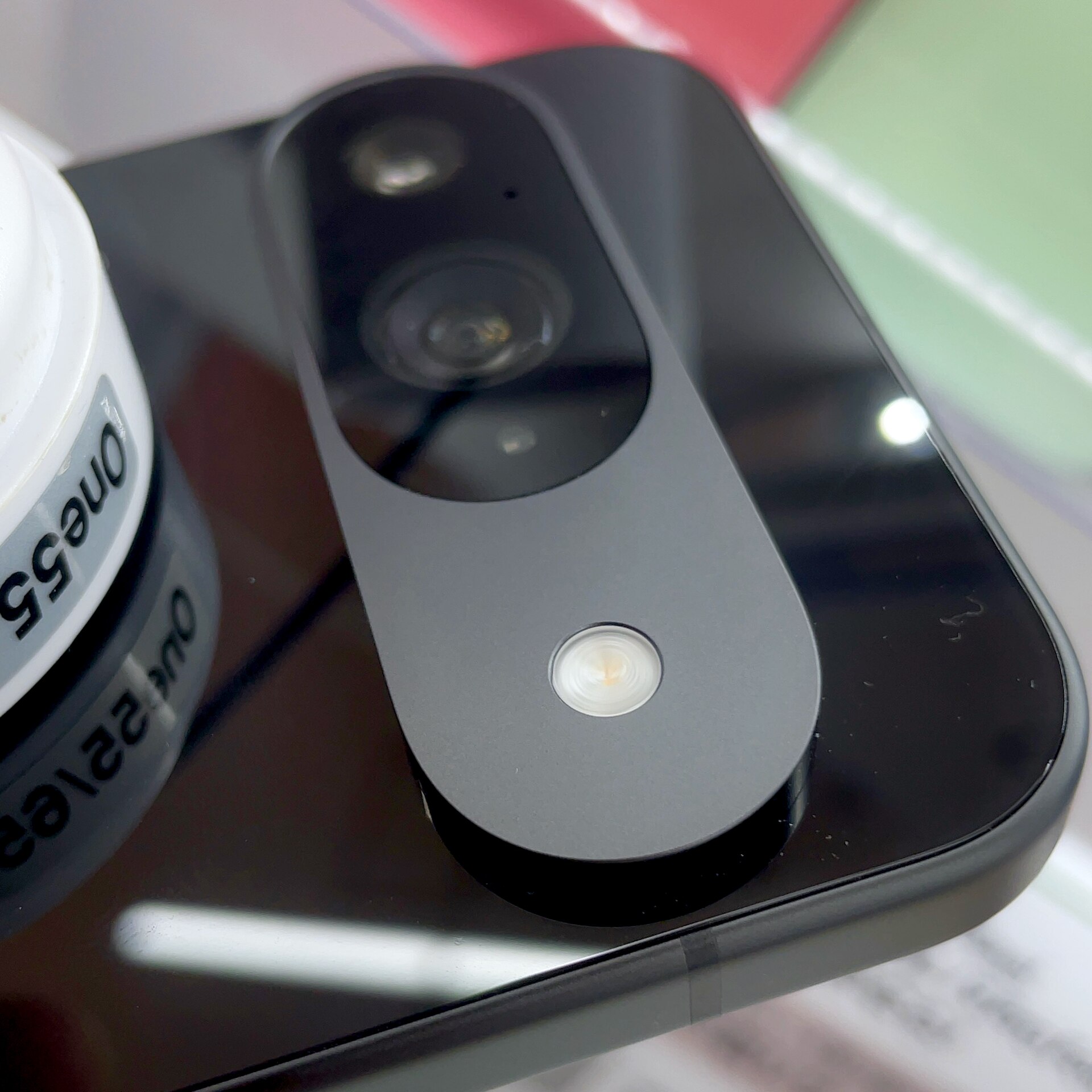
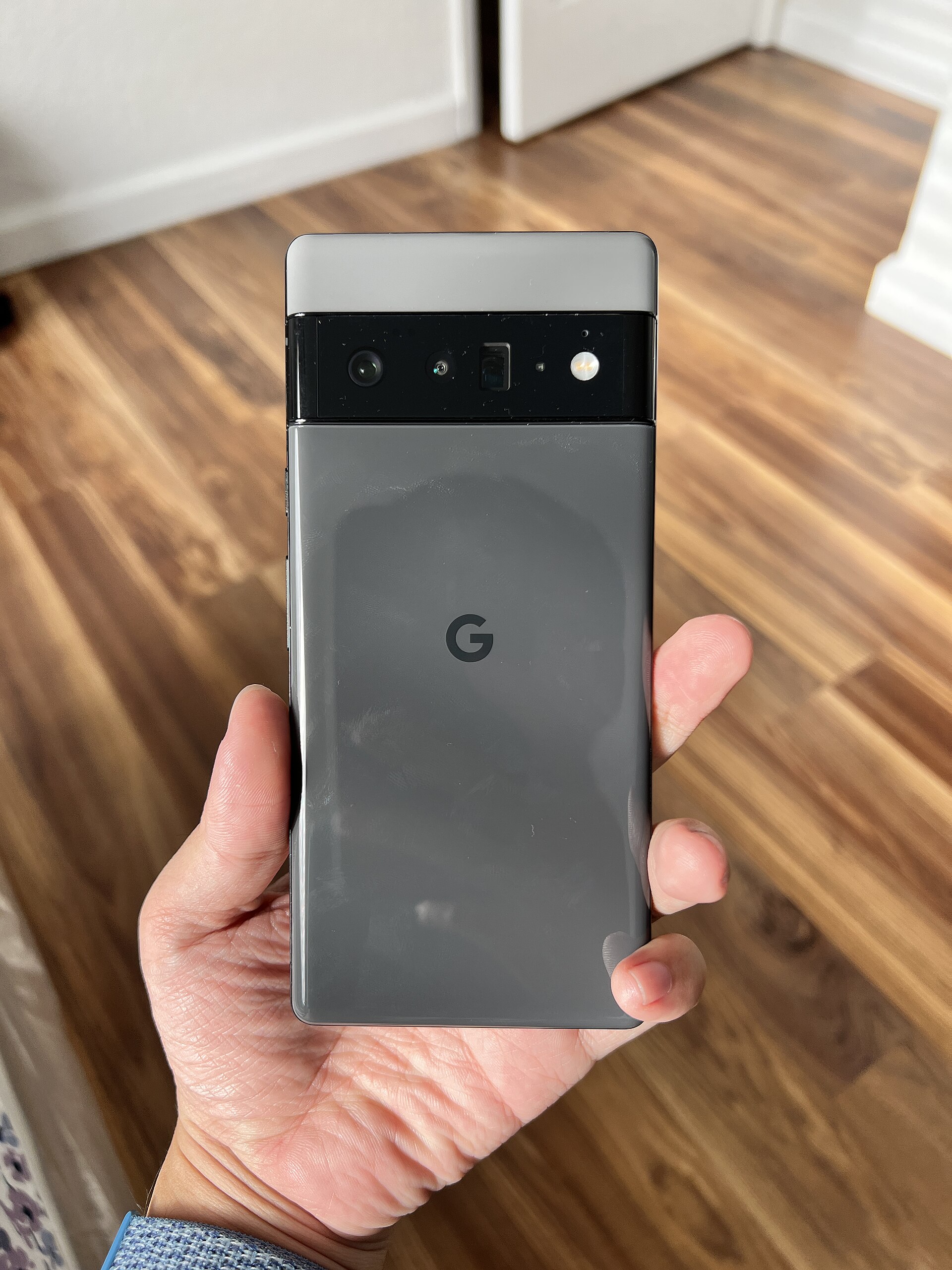
The Google Pixel 10 is the sort of phone I enjoy using for a week and hesitate to recommend for three years. That sounds contradictory only if you believe launch reviews and ownership reviews are the same genre. In a short test, the Pixel’s clean interface, camera processing and AI features make rivals feel cluttered. In India, however, a flagship is also a service network, spare-parts promise, modem performance, heat profile, resale market and battery ageing experiment. Google has improved its retail presence, but the buying decision remains less obvious than the presentation suggests. At roughly flagship pricing, “smartest Android phone” is not enough. A device must also be boringly dependable in Ahmedabad heat, on an intercity train, during a repair and in the twenty-ninth month after the launch event has forgotten it.
The demo is genuinely persuasive
I will not pretend the Pixel’s software appeal is imaginary. Google remains unusually good at removing friction from photography and everyday information. Point, shoot and the phone often returns an image with pleasing dynamic range and dependable skin tones. Call assistance, transcription and contextual features can feel like the operating system understands the task rather than merely displaying another app. Reviewers at Gadgets 360 found plenty to admire, particularly in the AI experience, while also noting compromises in core performance. That balance matches my concern.
Camera Coach and similar features are clever demonstrations of where computational photography is going. Yet they raise a small philosophical irritation. A phone that suggests composition can help a casual user notice light and framing; it can also make every photograph converge on the same algorithmic taste. Pixel cameras were once appealing because they made difficult shots easier. Increasingly, the pitch is that the device should participate in deciding what the shot ought to be. Some owners will love that collaboration. I sometimes want the machine to expose correctly and then remain quiet.
The display, build and interface create an expensive-product feeling without the ornamental excess of some rivals. Reports that Pixel 10 models ranked strongly in display testing, covered by Gadgets 360’s account of the rankings, reinforce the obvious: this is not a compromised mid-ranger wearing a premium camera. The question is whether its strengths align with Indian ownership better than a Samsung, Apple or aggressively priced Chinese flagship.
Performance is more than a benchmark
I share the sensible dislike of benchmark worship. Nobody sends spreadsheets while rendering the same synthetic loop used by reviewers. But performance still matters because headroom becomes longevity. A phone that runs warm or trails its peers at launch may feel less graceful after operating-system updates, a degraded battery and heavier apps. The relevant question is not whether it wins a gaming chart. It is whether the device remains responsive while navigating, recording video, sharing a hotspot and sitting in a car mount under Indian sun.
Google’s Tensor strategy prioritises its own machine-learning workload rather than brute-force competition. That can be rational. Custom silicon allows tighter integration and distinct features. But consumers should not be asked to treat every performance gap as evidence of superior philosophy. If a rival completes demanding tasks faster, sustains them longer and uses less energy, that affects ownership. AI branding cannot repeal thermodynamics.
Network behaviour matters even more. Indian users routinely move between inconsistent 5G, congested 4G, dual-SIM configurations and buildings where signal quality tests a modem. A flagship that takes excellent portraits but drains rapidly while searching for reception is not a good travel companion. Reviews should spend less time photographing café cups and more time on trains, in basements and during long hotspot sessions. That is where a phone reveals whether its intelligence extends to endurance.
Service confidence is part of the specification
Google’s Indian service arrangements have expanded, and that deserves acknowledgement. The earlier Pixel proposition often required buyers to tolerate a level of repair uncertainty unacceptable at premium prices. Improvement, however, must be measured through actual experience: diagnostic transparency, turnaround times, parts availability outside metros and the cost of screen or battery replacement. A list of centres is not the same as a mature support network.
I advise buyers to check the nearest authorised repair location before checking the available colours. Call it, ask whether common parts are handled locally, and read recent owner experiences with appropriate scepticism. If the nearest competent service point requires shipping the device away, build that inconvenience into the price. A phone used for banking, identity, work and family coordination is difficult to surrender for an uncertain period. Brands sell water resistance and ceramic glass because damage is emotionally vivid; they discuss repair logistics in small text because delay is less photogenic.
Software support promises also need operational trust. Long update windows are valuable, but a promised seventh year means little if battery replacement in year four is expensive or impractical. Sustainability is not merely keeping the operating system eligible. It is keeping the hardware economically repairable. Google, which controls the Pixel design and Android roadmap, should publish clearer parts-duration commitments for India and make authorised battery replacement routine.
The price invites unforgiving comparisons
At ₹79,999 at launch, as reported in the detailed review, the standard Pixel 10 entered territory where buyers can demand completeness. Discounts will change the equation, as they always do. Indeed, Pixels often become much more compelling several months after launch. That itself teaches a buying strategy: unless you need the device immediately, wait. Launch-day gifts and exchange bonuses disguise how quickly effective prices can move.
At a lower street price, the Pixel’s distinctive camera and software become reasonable trade-offs. At full flagship money, Samsung offers a broader service footprint and a feature set designed around mainstream Indian retail. Apple offers longer-established resale and accessory ecosystems. Chinese flagships may deliver faster charging, stronger sustained performance and more hardware for the rupee, though their software and update experience varies. There is no universal winner. There is only the question launch marketing avoids: which inconvenience annoys you least?
The Pixel is ideal for someone who values still photography, clean Android, early updates and Google’s software ideas; who lives within reach of reliable service; and who does not demand the highest gaming performance or fastest charging. It is less suitable for a heavy mobile gamer, a frequent traveller dependent on exceptional endurance, or a buyer in a smaller city unwilling to ship a broken phone. Stating that does not diminish the device. It respects the owner.
AI features must survive the novelty test
The modern phone launch devotes increasing time to features that produce an audible reaction on stage. The ownership test is frequency. Do I use the feature weekly after six months? Does it work with Indian accents, names, businesses and noisy environments? Does it require cloud access when connectivity is poor? Are sensitive recordings processed in ways the owner understands? A feature can be technically astonishing and practically irrelevant.
Google is better positioned than most brands to make AI genuinely useful because it controls search, maps, photos, mail and Android. That integration also demands restraint. Contextual assistance becomes intrusive if the phone constantly infers intentions or pushes subscriptions. Pixel buyers should read which features require an AI plan after promotional access ends. A flagship’s defining capabilities should not quietly become another annual bill.
I am also cautious about generated edits being sold as photography. Removing an obstruction is useful. Reconstructing large portions of a scene can turn a photograph into a plausible memory rather than a record. Consumers are capable of deciding where that boundary sits, but interfaces should label substantial generation clearly. The smartest camera should help us make images without making provenance impossible.
Buy the phone that exists after the keynote
I like the Pixel 10. Its best qualities are not fake, and its software often feels more considered than the crowded alternatives. What I reject is the idea that charm excuses incomplete ownership infrastructure. Indian buyers keep phones longer, trade them through informal markets, repair them locally and use them under harsher thermal and network conditions than most launch demonstrations acknowledge.
My recommendation is deliberately unexciting: wait for sustained owner reports and a meaningful discount, confirm service access, and choose storage for three years rather than launch-week enthusiasm. Test the modem in your area if possible. Ask what an out-of-warranty battery costs. Ignore the free subscription unless you would pay for it later. These questions sound dull because adulthood is largely the management of things keynote presenters omit.
The Pixel 10 may be Google’s most convincing mainstream phone yet. Convincing is not automatic. At flagship prices, an Indian customer is buying not only computational photography but a small, essential appliance. Google has mastered the moment when the shutter button is pressed. It must prove equal mastery of the years after.