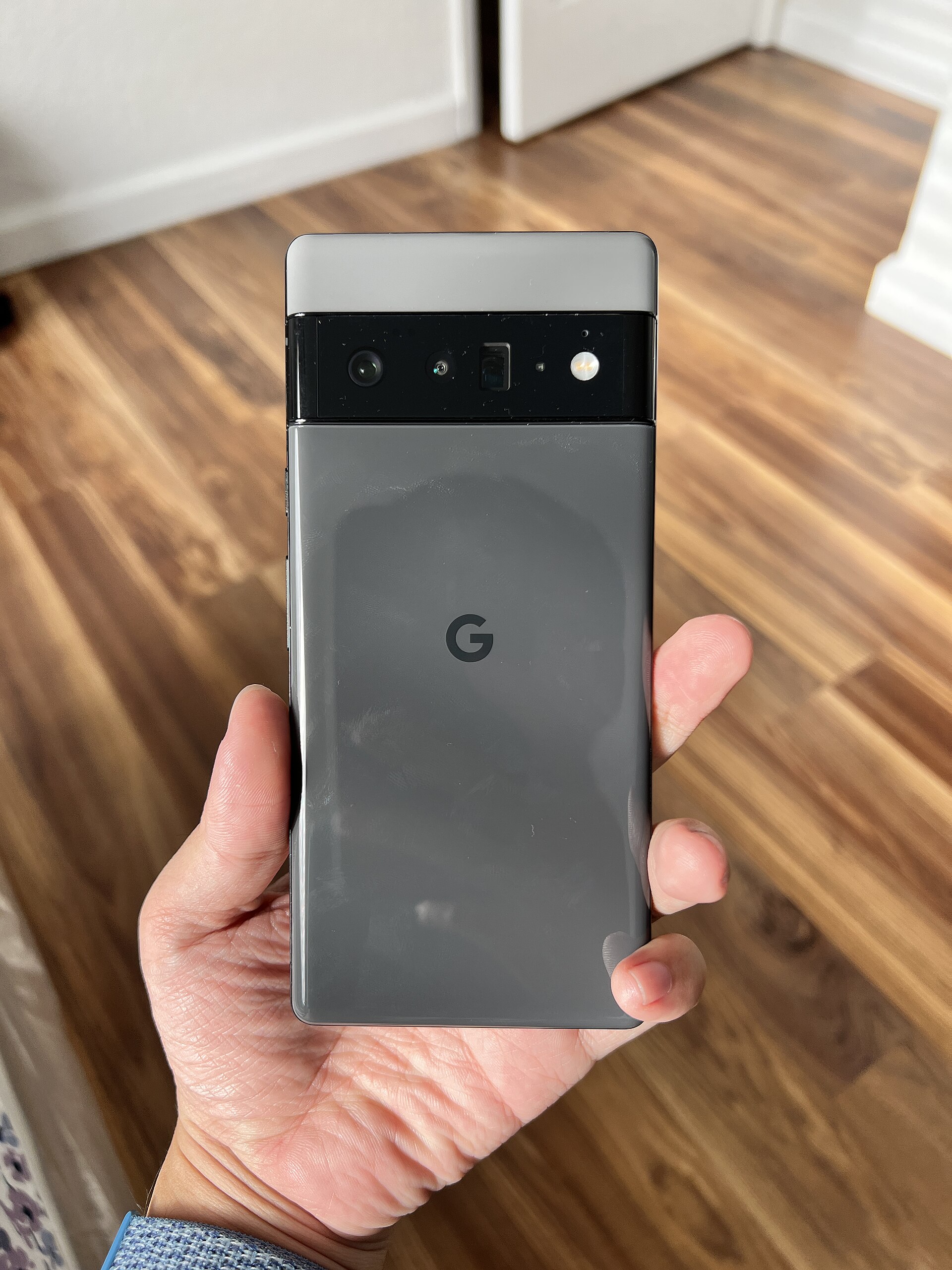

A phone review written in its launch week is a review of courtship. The battery is fresh, the software has not accumulated scars and the buyer has not yet searched for a service centre after a fall. The Google Pixel 8 was easy to admire at first sight: compact proportions, an excellent camera, clean Android and a seven-year support promise. After the honeymoon, an Indian owner must live with heat, slow charging, network variability and Google’s still-thin repair footprint. Those details matter more to me than another artificial-intelligence demo.
GSMArena’s original Pixel 8 review records the hardware: a 6.2-inch 120Hz OLED, Tensor G3, 4,575mAh battery and 27W wired charging. Its camera assessment found excellent still-image quality. None of that became false with age. The issue is that specifications describe capability, while ownership is a negotiation between capability and friction.
The camera remains the reason
The Pixel’s appeal is not raw megapixels. It is the probability of getting a usable photograph quickly. Skin tones are generally convincing, movement is handled intelligently and difficult backlighting rarely requires manual intervention. For parents, travellers and people documenting ordinary life, consistency beats a crowded camera app.
Google’s computational style can over-process. Shadows may be lifted into drama, texture sharpened beyond nature and faces selected or altered through editing tools. I sometimes prefer the less interventionist image from another phone. Still, the Pixel understands that most owners want the moment, not a laboratory file.
The lack of a telephoto camera is more irritating after two years than on day one. Digital cropping is acceptable until it is not, especially at concerts, school events or wildlife encounters. Google’s division between the regular and Pro models was a commercial choice, not a technical mystery. A phone can take superb photographs while leaving a common focal length conspicuously absent.
Tensor’s bill arrives in heat
Tensor G3 was marketed around Google’s machine-learning ambitions. In daily use, its weakness is not that apps refuse to open. It is that sustained performance, modem efficiency and temperature management can feel less polished than Snapdragon rivals. Indian summers are an unforgiving benchmark. Navigation, camera use and mobile data in direct heat expose a device more honestly than a ten-minute test in an air-conditioned studio.
A warm phone is not automatically a defective phone, but heat changes behaviour. Charging slows, brightness drops and battery anxiety rises. The owner adapts by moving the device out of sunlight or postponing a charge. That adaptation never appears in a launch presentation.
The 27W charging specification was modest even in 2023. Against Chinese competitors that refill rapidly, the Pixel demands planning. Fast charging is not a meaningless race in India. Short power windows, long commutes and shared household sockets make recovery speed a practical feature. I would trade several generative-photo tricks for reliably faster, cooler charging.
Seven years of updates need seven years of support
Google deserves credit for promising long software support. It changed the Android conversation and reduced the embarrassment of premium phones becoming prematurely obsolete. But an update promise has value only if batteries, screens and ports can be repaired at sensible cost. Software longevity without service reach is a bridge that ends halfway across the river.
Google’s Indian retail and support presence has improved, yet it still does not inspire the confidence of Samsung or the largest Chinese brands. Buyers outside major cities must consider courier repair, parts availability and turnaround time. A ₹70,000 phone is not a disposable developer kit.
Updates themselves are not uniformly magical. Pixels sometimes receive bugs with new releases and fixes in subsequent patches. Enthusiasts tolerate this because being first is part of the pleasure. Ordinary owners reasonably expect a phone to become calmer with age. Google should distinguish adventurous beta culture from the premium product sold to everyone else.
The sensible verdict is conditional
I would recommend a discounted Pixel 8 to someone who values compact size, still photography and clean software, does not play demanding games for long periods and has verified repair options. I would not recommend it blindly to a heavy traveller who depends on rapid charging, perfect modem efficiency and walk-in service.
Its reduced price also changes the calculation. At launch, flaws compete with the best phones in the market. Two years later, they compete with the price actually paid. A well-supported older flagship can be better value than a new mid-ranger, provided the battery is healthy and the warranty is credible.
The Pixel 8 is a good phone and an imperfect Indian ownership proposition. That distinction is exactly what launch coverage erases. Buyers keep phones longer than reviewers keep review units. The useful question is not whether Tensor wins a benchmark or whether an AI feature makes a clever clip. It is whether the phone remains dependable on a hot afternoon, at ten per cent battery, far from an authorised service desk. Ownership begins where the keynote ends.